
Loft Conversions in Harrow
City/Town Name: Harrow
Borough Name: Harrow
City Information
Harrow sits in north west London and feels like a busy town centre wrapped in long residential streets and green pockets. The main Harrow area around Station Road and the civic centre mixes shops, offices and flats with older houses climbing up towards Harrow on the Hill. Harrow on the Hill brings historic character, with older homes and views across the borough, while areas like North Harrow and West Harrow feel more suburban with quieter streets and local parades. The town is well connected to central London by rail and bus, which makes it popular with commuters and families who want more space but still need easy travel. Across Harrow you see many homes that have already been extended, so loft conversions are a common way for local households to gain an extra bedroom or office without leaving the area.
Planning Notes
Loft conversions in Harrow follow national permitted development rules for houses, which Harrow Council links to through the Planning Portal guidance for common projects such as loft conversions. Under permitted development, extra roof space is usually limited to 40 cubic metres for terraced houses and 50 cubic metres for detached and semi detached houses, and the extension must sit below the existing roof height and use similar materials to the main house. Roof extensions that project forward over the main roof slope facing the street are not permitted development, so any dormer or change on that front roof plane normally needs full planning permission. Side facing loft windows under permitted development must be obscure glazed and have limited opening, so designers working in Harrow need to plan these carefully to avoid overlooking neighbours. Harrow Council also advises owners to check whether their property lies in a conservation area or is covered by an Article 4 Direction, because those designations can remove some permitted development rights and trigger the need for a full application even for small changes.
Article Notes
Harrow has a network of conservation areas, and the council confirms that some of these areas are subject to Article 4 Directions that remove permitted development rights for certain types of work. In Harrow Weald, for example, the Brookshill Drive and Grimsdyke Estate conservation area has an Article 4 Direction that means some buildings there need planning permission for work that would normally be permitted development. The council has also approved Article 4 Directions across ten conservation areas in the borough to control demolition and changes to front boundary treatments, such as gates, walls and fences, which now need planning consent. This means that a house in one of these Harrow conservation areas may face tighter rules on visible loft alterations, roof materials and external detailing, even if a similar house a few streets away without Article 4 can proceed under standard permitted development rules. Anyone planning a loft conversion in Harrow should use the council conservation area and Article 4 maps, then speak to the planning department for confirmation before committing to a design.
Types of Houses
Harrow housing is mainly made up of suburban family homes, with semi detached houses forming a large share of the local stock. Local research shows that about 42.4 percent of properties in Harrow are semi detached, which fits the streets of three bedroom and four bedroom family houses seen across areas like North Harrow, West Harrow and Harrow Weald. Around Harrow on the Hill and older parts of the town you still find Victorian and early twentieth century houses, including terraces and larger villas that give the hill its historic feel. Many streets in Harrow also carry interwar and 1930s homes, often with bay windows and generous roofs, similar to the 1930s house highlighted locally as a time capsule example of the period. Postwar infill and later apartment blocks sit along main roads and near the town centre, which means loft conversion work in Harrow can range from traditional dormers on 1930s semis to more careful designs on older character properties near the hill.
Highlights
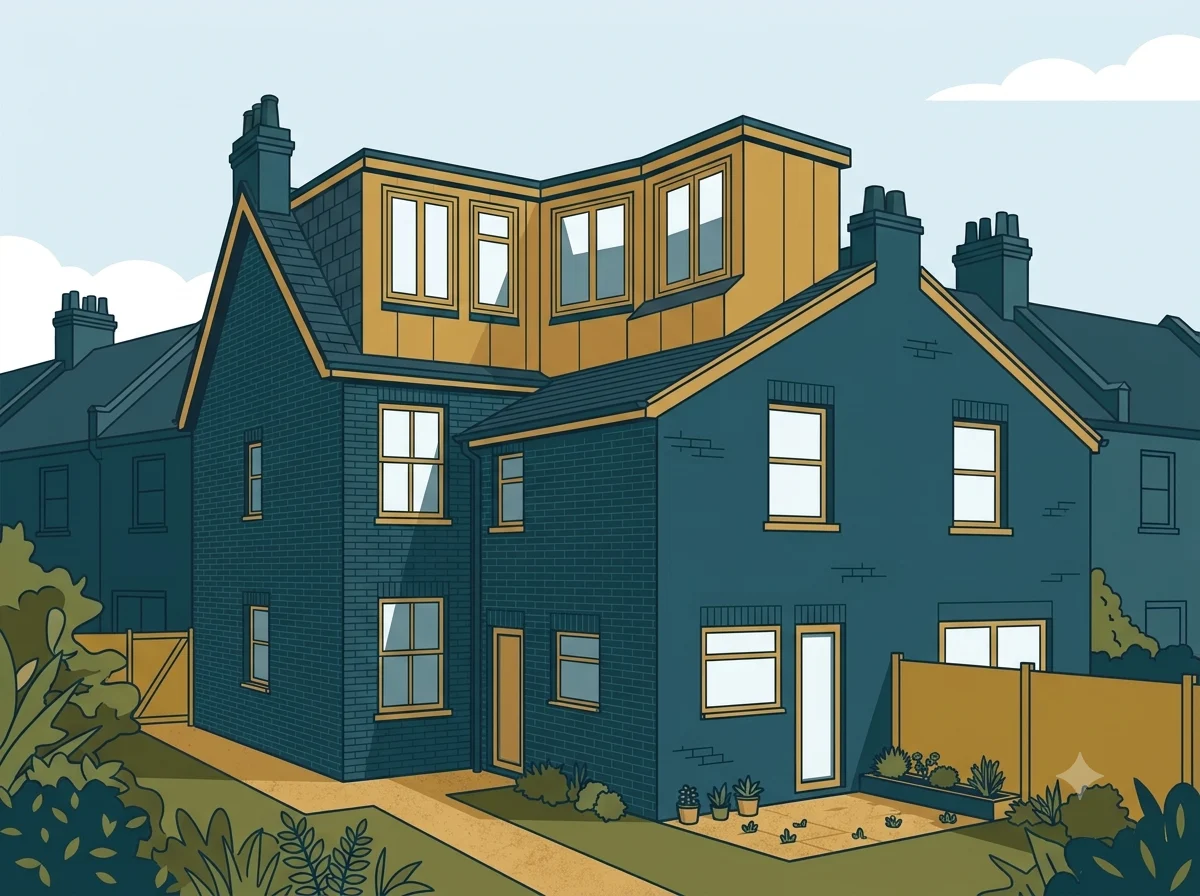
Mansard Loft Conversion in Harrow
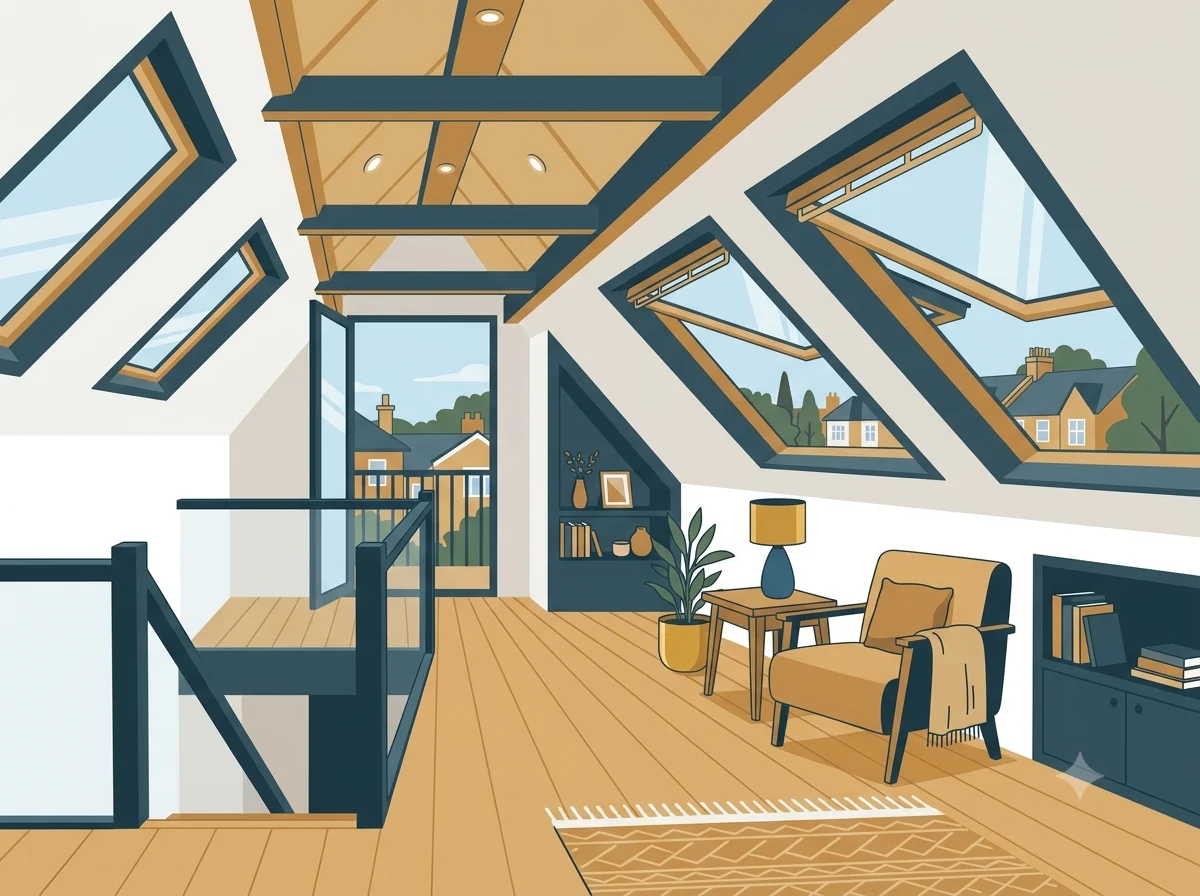
Velux Loft Conversion in Harrow
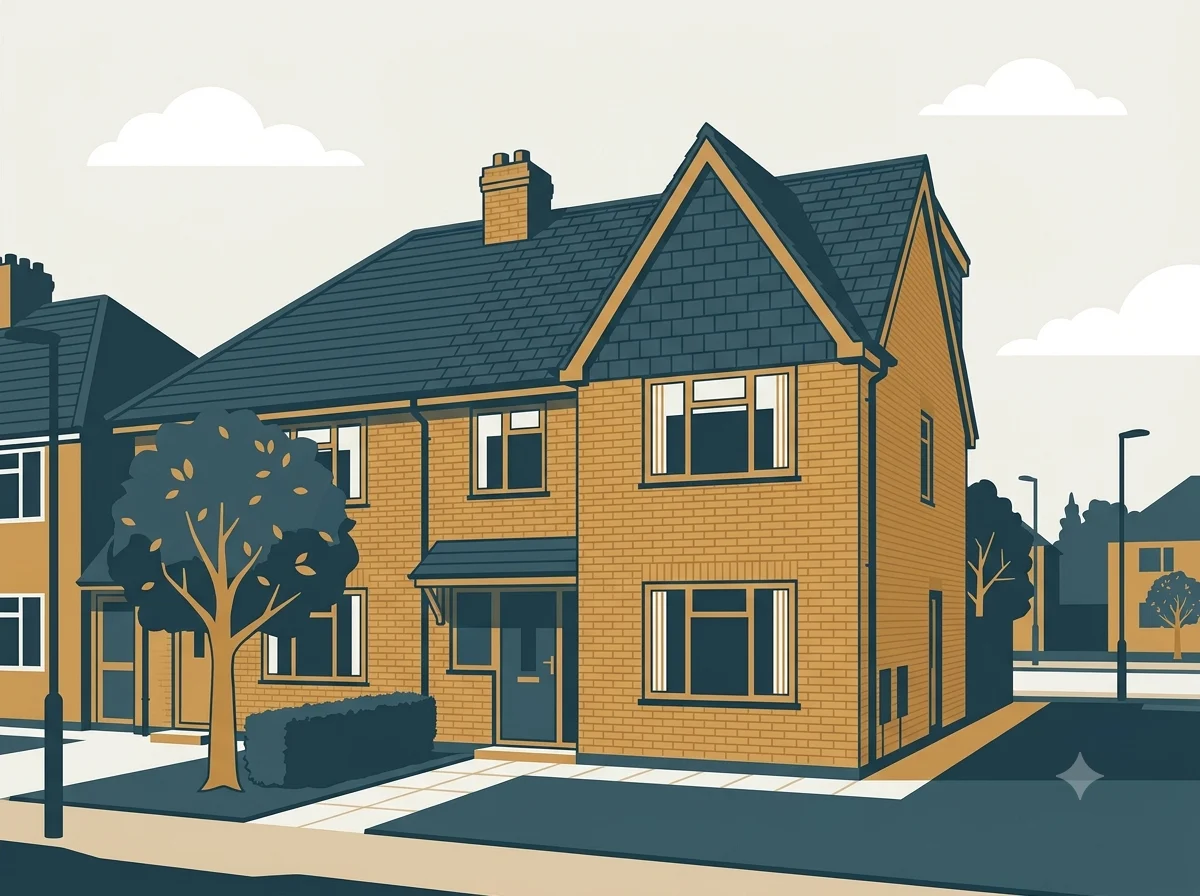
Hip to Gable Loft Conversion in Harrow
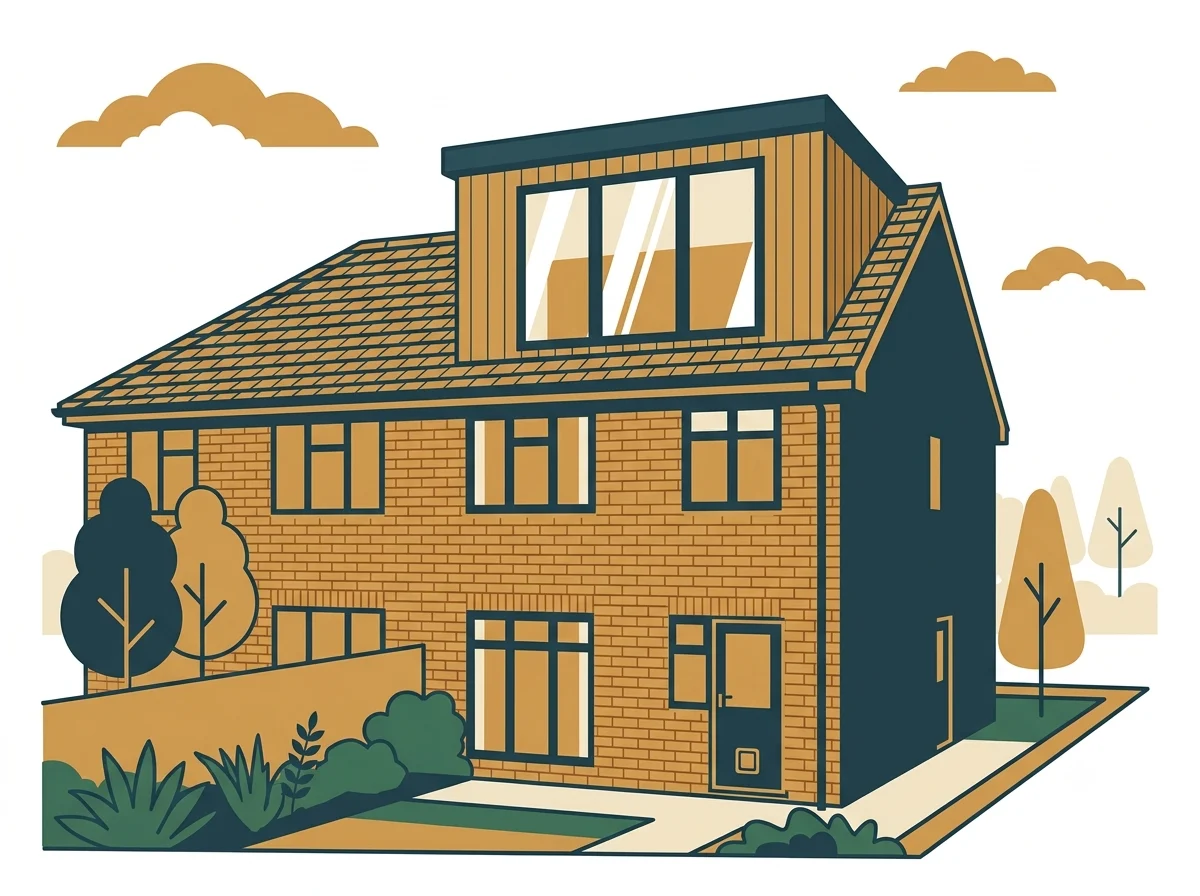
Dormer Loft Conversion in Harrow
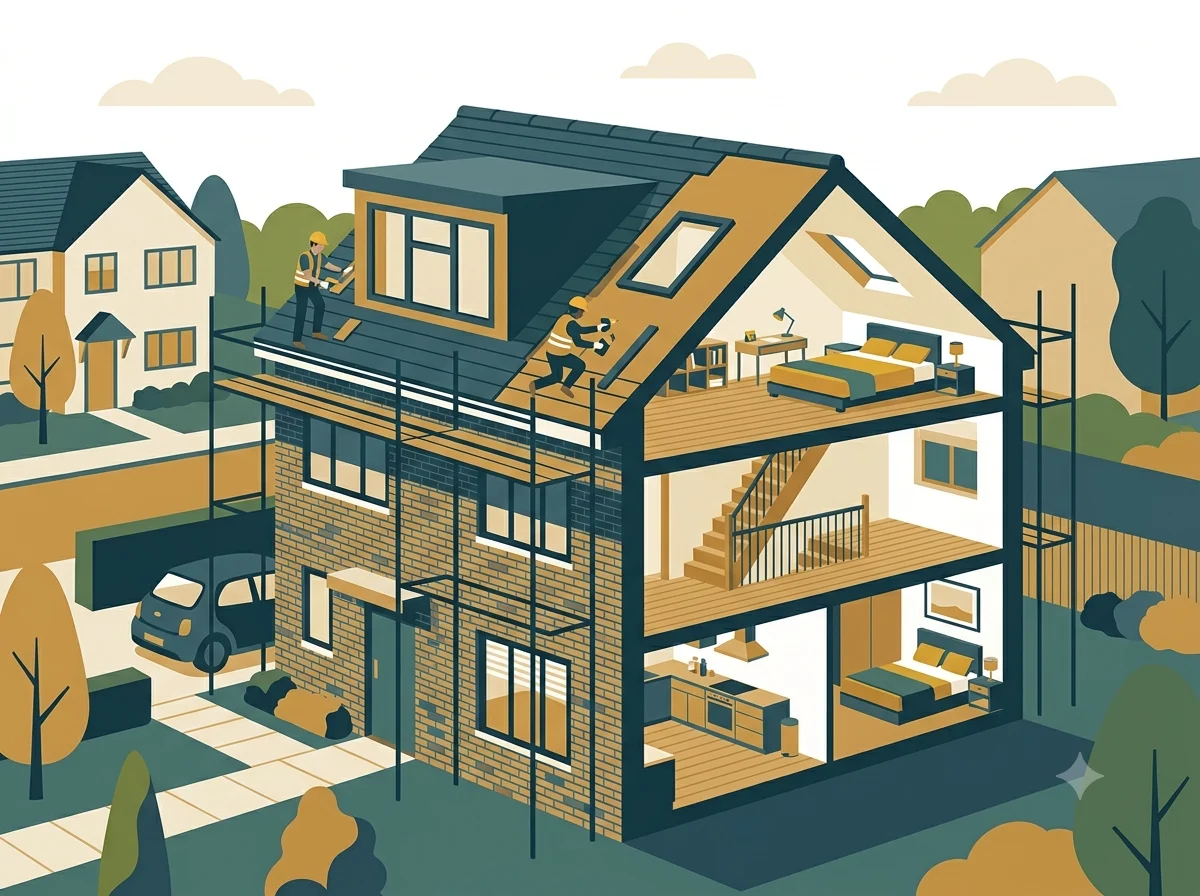
New Build Loft Conversion in Harrow
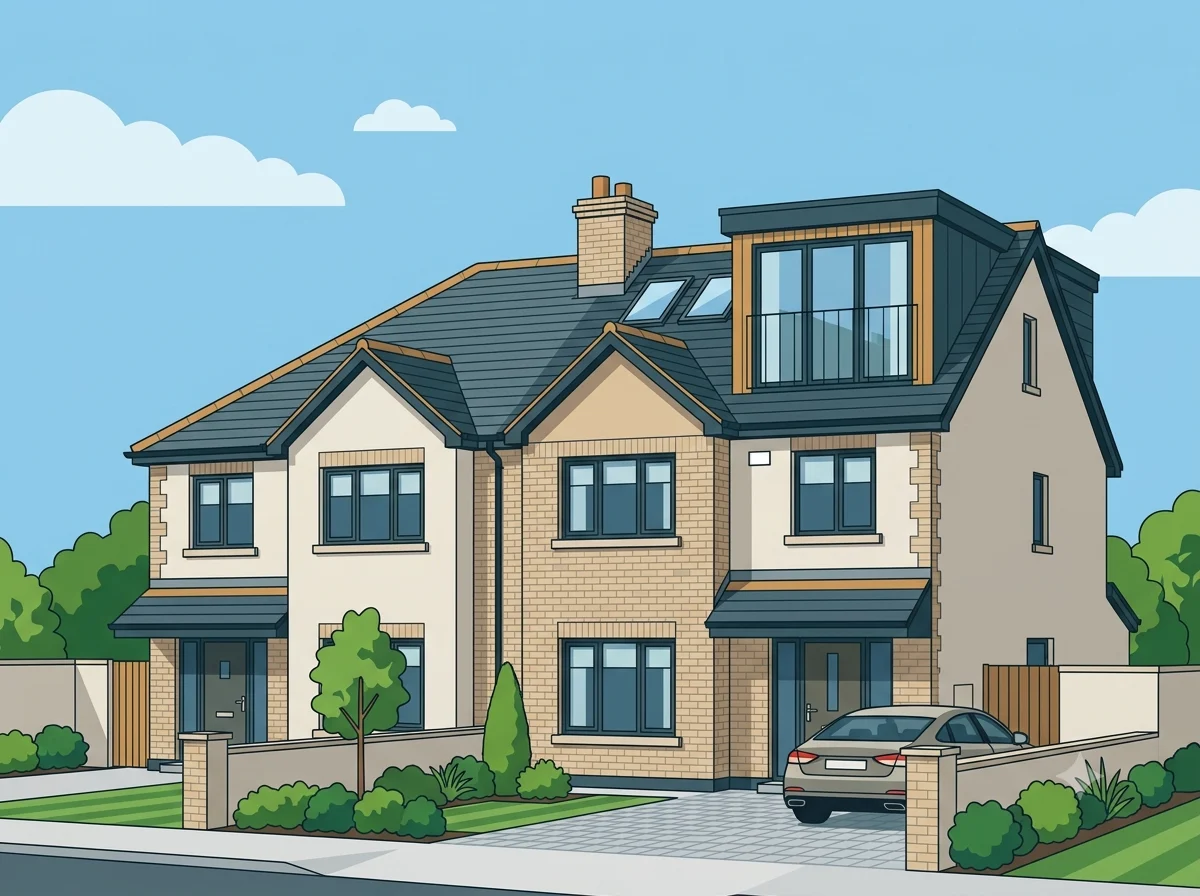
Semi Detached Loft Conversion in Harrow
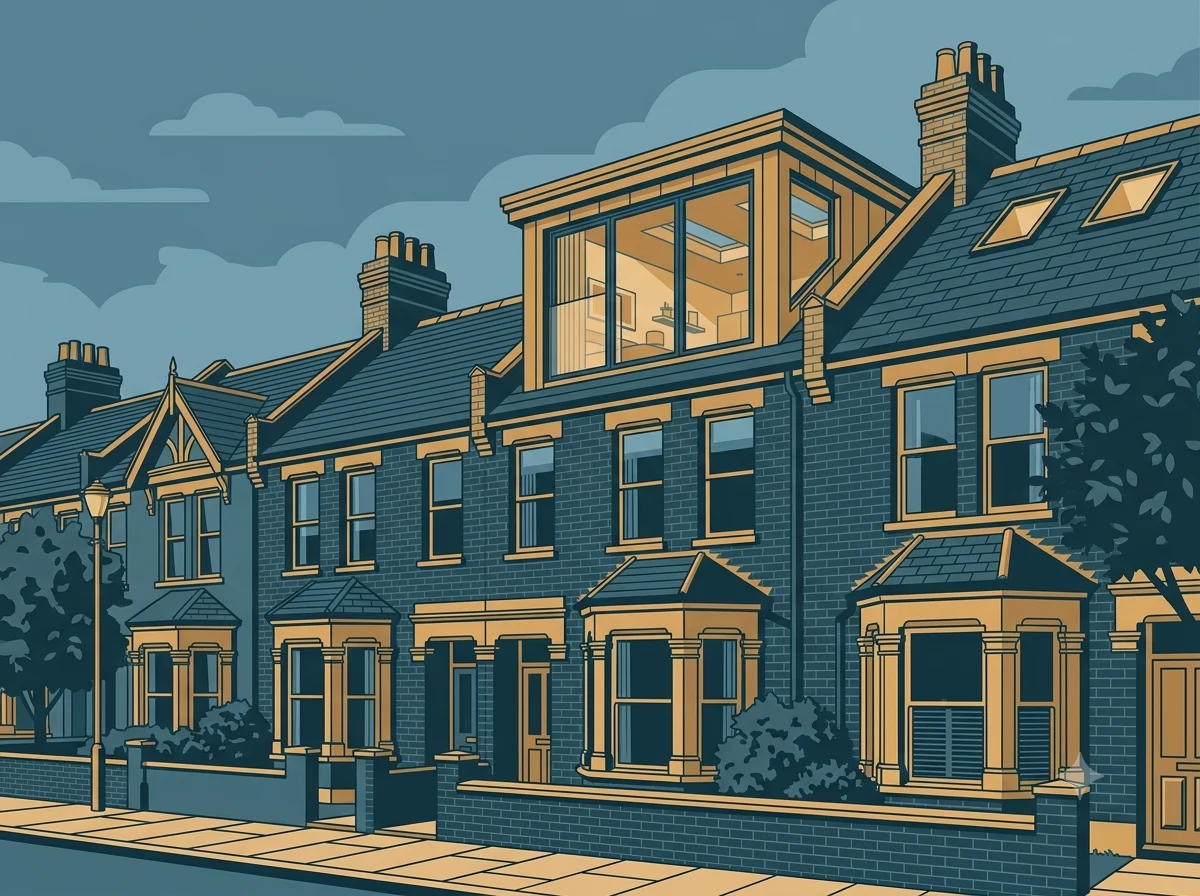
Terraced House Loft Conversion in Harrow
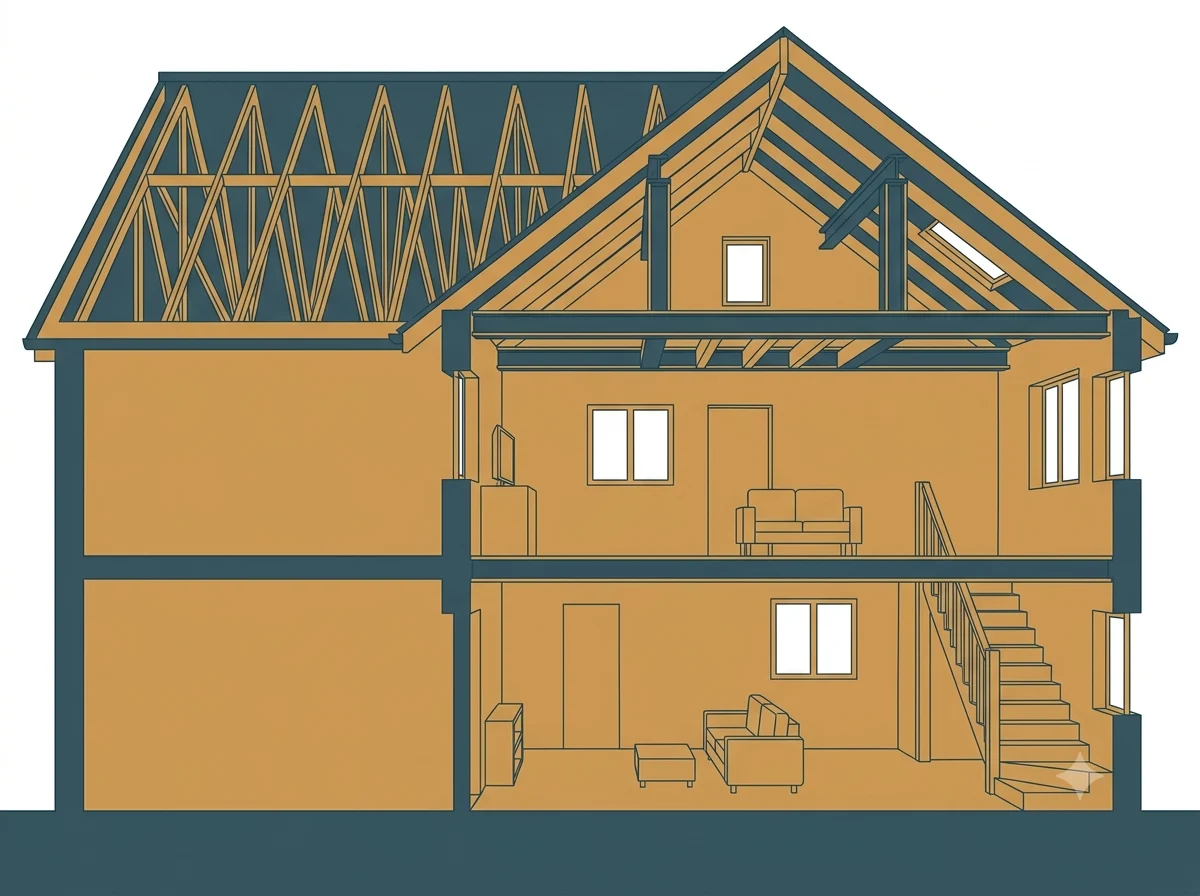
Trussed Roof Loft Conversion in Harrow
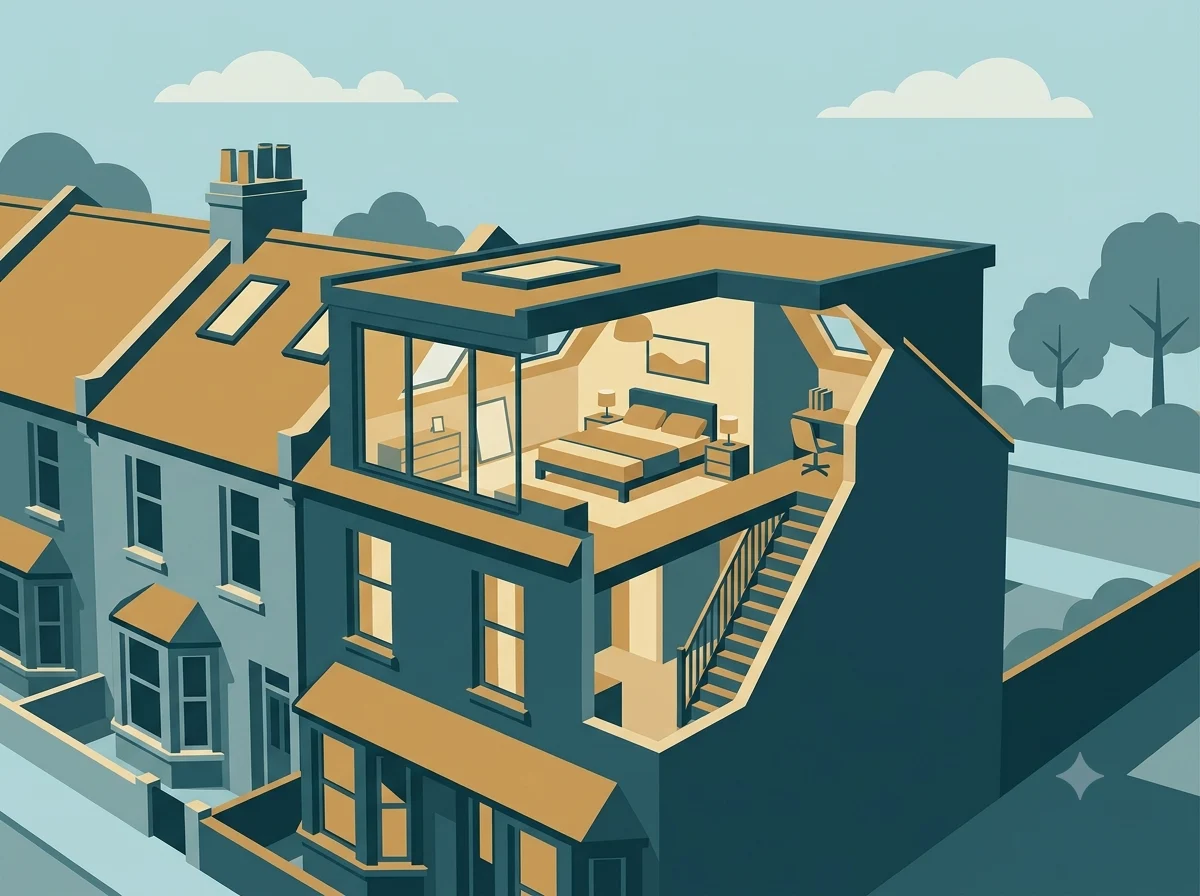
Low Pitch Loft Conversion in Harrow
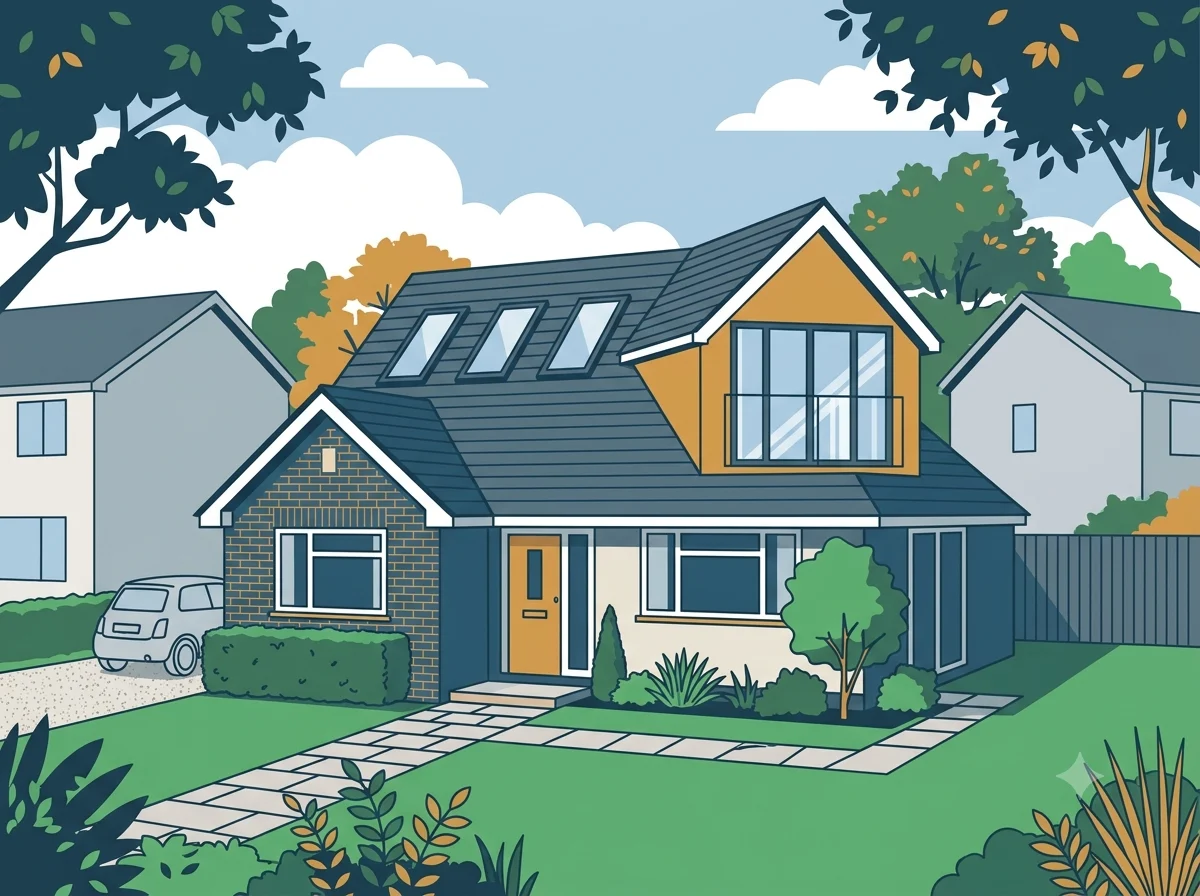
Bungalow Loft Conversion in Harrow
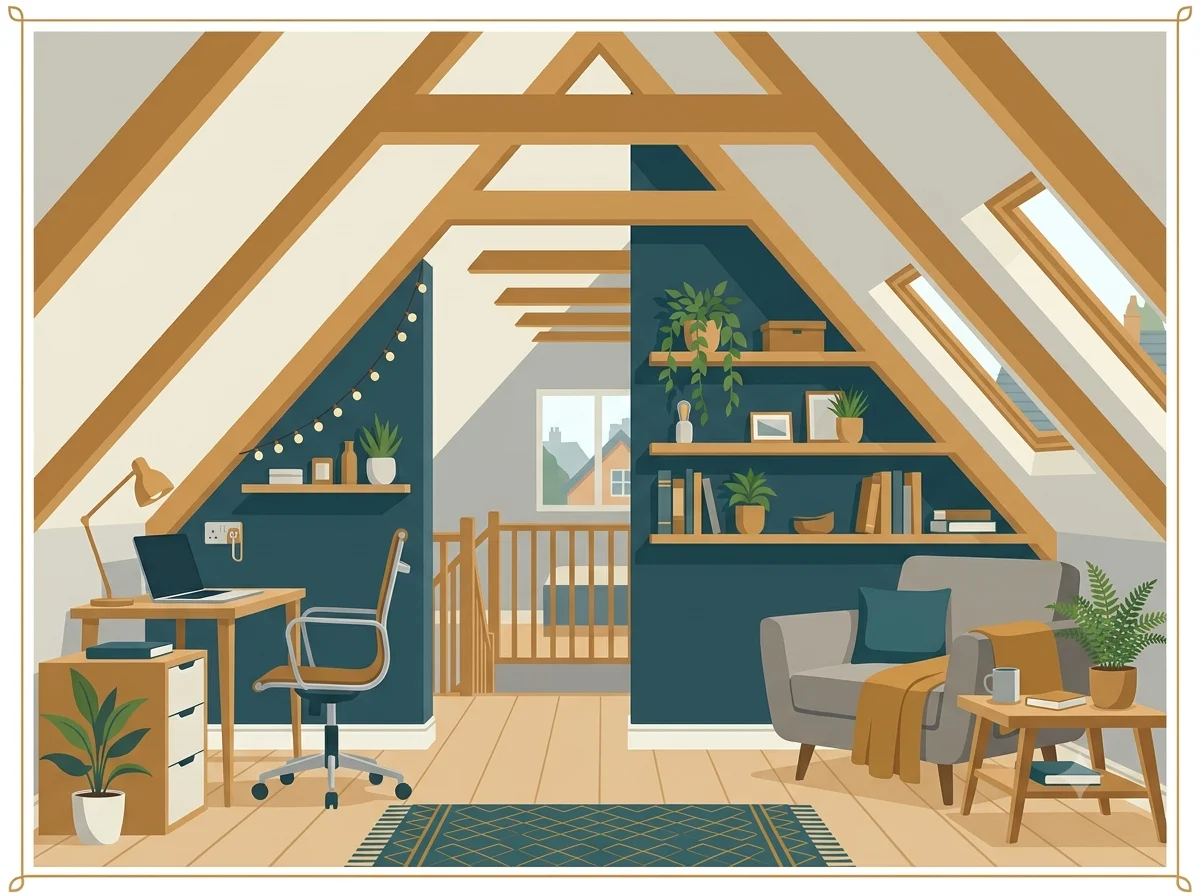
Low Ceiling Loft Conversion in Harrow
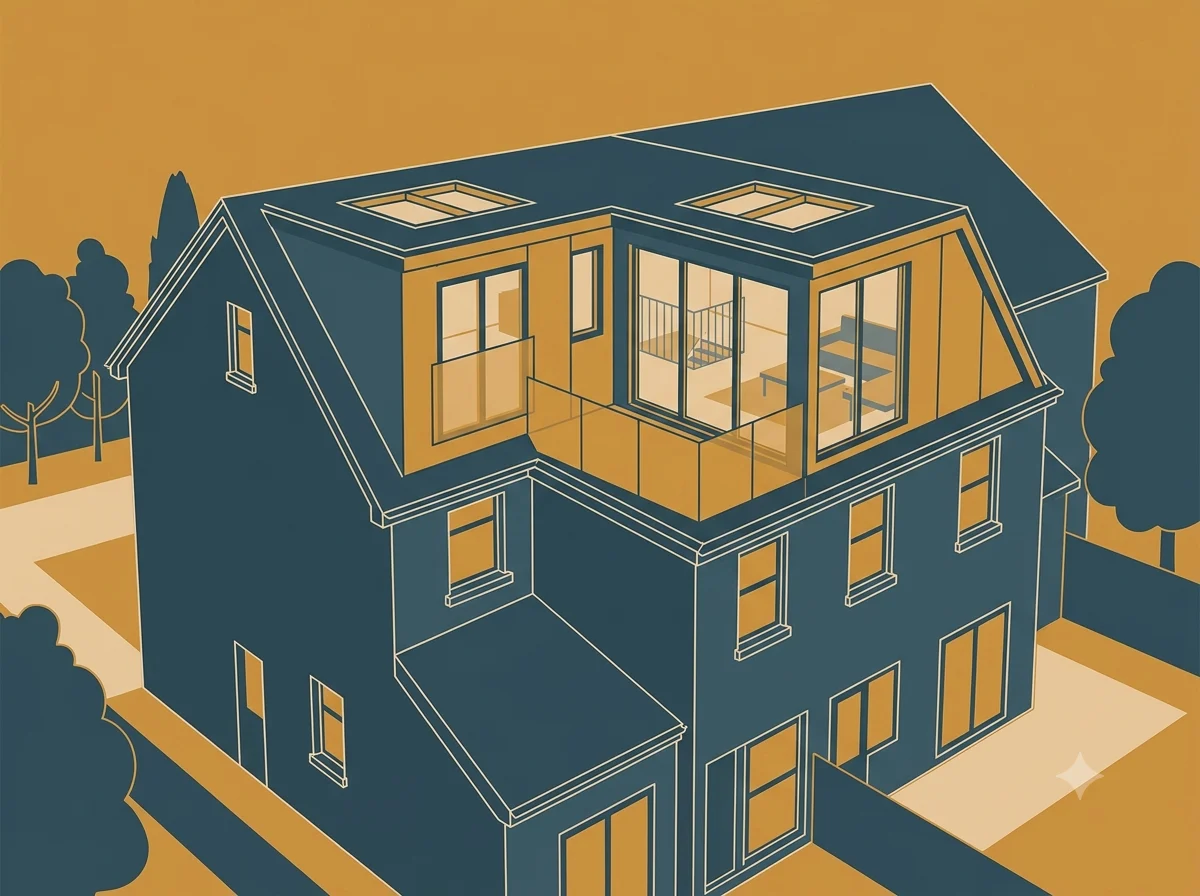
L Shaped Loft Conversion in Harrow
Near by Areas
Frequently asked questions (FAQ)
Do I need planning permission for a loft conversion in Harrow
Many loft conversions in Harrow can proceed under permitted development, as long as the extra roof space stays within the national volume limits and does not project over the main front roof slope. However, homes in Harrow conservation areas or under an Article 4 Direction may need full planning permission even for modest roof changes, so it is important to check Harrow Council planning guidance before starting
How do Article 4 Directions affect my loft plans in Harrow
In Harrow, Article 4 Directions in areas such as Brookshill Drive and Grimsdyke Estate remove some permitted development rights, which means you must apply for planning permission for work that would be automatic elsewhere. The council has also added Article 4 controls in ten conservation areas for front boundaries, and these designations show that Harrow closely manages changes to the look of key streets and estates.
What types of houses in Harrow are best suited to loft conversions
Semi detached and terraced houses are very common in Harrow, and many have generous pitched roofs that take dormer lofts well. Older Victorian and early twentieth century houses around Harrow on the Hill can also offer good roof space, but they may sit in conservation areas, so owners must balance design with Harrow Council heritage guidance
How much should I budget for a loft conversion in Harrow
Based on Harrow specific loft firms and local cost guides, many standard loft conversions here fall roughly between 30,000 and 60,000 pounds, with simpler projects at the lower end and larger or more complex designs at the higher end. Every Harrow property is different, so the final figure depends on structure, finishes and whether the home needs planning permission or extra work due to conservation or Article 4 status.
Where can I find official information about loft rules for Harrow
The best source is Harrow Council Planning and Development online pages, which link to national Planning Portal guidance and host detailed information on conservation areas and Article 4 Directions across the borough. Residents in Harrow can also use the council tools to search conservation area maps by postcode and contact the planning department if they are unsure about how the rules apply to their street.