
Loft Conversions in Stanmore
City/Town Name: Stanmore
Borough Name: London Borough of Harrow
City Information
tanmore sits at the top end of the Jubilee line, right on the edge of the London Borough of Harrow. It has the feel of a market town rather than a London suburb. The high street, known locally as The Broadway, is lined with independent shops, cafes and a handful of well known chains, and the pace of life here is noticeably calmer than areas closer to central London. Wide, tree lined roads make up most of Stanmore, with wide plots and generous front gardens, especially around Stanmore Hill.
Green space is one of the area’s biggest draws. Bentley Priory Nature Reserve, Stanmore Country Park and Stanmore Common all sit within or close to the area, giving residents easy access to woodland and open countryside without leaving London. Families are drawn here partly for the schools, many of which are rated highly by Ofsted, and partly for the sense of space that is harder to find further into the city.
For homeowners, Stanmore is a place where people tend to improve rather than move. Many of the houses are large enough to work with, and a loft conversion is often the natural way to add a bedroom or a home office without losing the garden or having to relocate. That pattern, staying and extending rather than selling up, shapes a lot of the loft conversion work we see in this part of Harrow.
Planning Notes
Loft conversions in Stanmore are handled by Harrow Council’s Planning Service, based at the Civic Centre on Station Road. Most rear dormer and roof light loft conversions in Harrow fall under permitted development, which means you do not need to apply for planning permission as long as the work stays within set limits. These include keeping the new roof volume under the allowed size, setting any dormer back at least 200mm from the eaves, not going above the highest point of the existing roof, and using materials that match the rest of the house.
Stanmore has its own conservation areas, including Stanmore Hill and Little Common. If your property sits inside one of these, permitted development rights are more limited. Front facing dormers, and side dormers that can be seen from the road, will usually need a full planning application in a conservation area, even if a similar dormer at the back of the house might not. Harrow’s conservation officers pay close attention to materials and design in these areas, so drawings need to reflect the character of the street.
Because rules can differ from one street to the next, particularly close to a conservation area boundary, it is worth checking your exact address with Harrow Council or a local loft specialist before assuming permitted development applies.
Article Notes
Harrow Council made an Article 4 Direction covering parts of Stanmore in May 2022, which came into force in June 2023. It applies to properties within the Stanmore Hill Conservation Area and the Little Common Conservation Area, including named properties on Green Lane and Stanmore Hill itself. Where the direction applies, it removes permitted development rights for several types of work where they would face a road, waterway or open space. This includes alterations to a dwelling such as roof changes, chimney work, porches, and even painting the outside of the building. In practice, this means homeowners on the affected roads need full planning permission for changes that would be permitted development almost anywhere else in Harrow, including some roof alterations tied to loft conversions. If your property is on or near Stanmore Hill or Green Lane, it is worth checking directly with Harrow Council whether your address falls inside the Article 4 boundary before planning any roof work.
Types of Houses
Stanmore's housing is a mix of styles, but the backbone of the area is the 1930s semi detached house, built with hipped roofs, bay windows and generous gardens during the interwar expansion of the Metropolitan line. Around Stanmore Hill and Aylmer Drive you will find larger detached homes on wider plots, some Edwardian, some later Arts and Crafts style properties. There are also pockets of Georgian era cottages and some post war flats, alongside newer developments such as Bentley Priory on Honeypot Lane. This variety means loft conversion work in Stanmore has to be judged property by property, since a hip to gable conversion that suits a 1930s semi will not always suit an older detached house nearby.
Highlights
- Stanmore Underground station (Jubilee line, zone 5, northern terminus)
- Canons Park Underground station nearby
- The Broadway shopping parade, with independent shops, cafes, bakeries and a Tesco Express
- Restaurants covering a wide range of cuisines, particularly along Church Road and The Broadway
- Bentley Priory Nature Reserve
- Stanmore Country Park
- Stanmore Common
- Stanmore Golf Club and Hartsbourne Country Club
- Primary schools including St Johns C of E School, Stanburn Primary School and Aylward Primary School
- Secondary schools including Bentley Wood High School and Park High School
- Middlesex University, Hendon campus based in Stanmore
- GP surgeries, dental practices and opticians within the area
- Bus routes connecting to Harrow, Edgware and Brent Cross
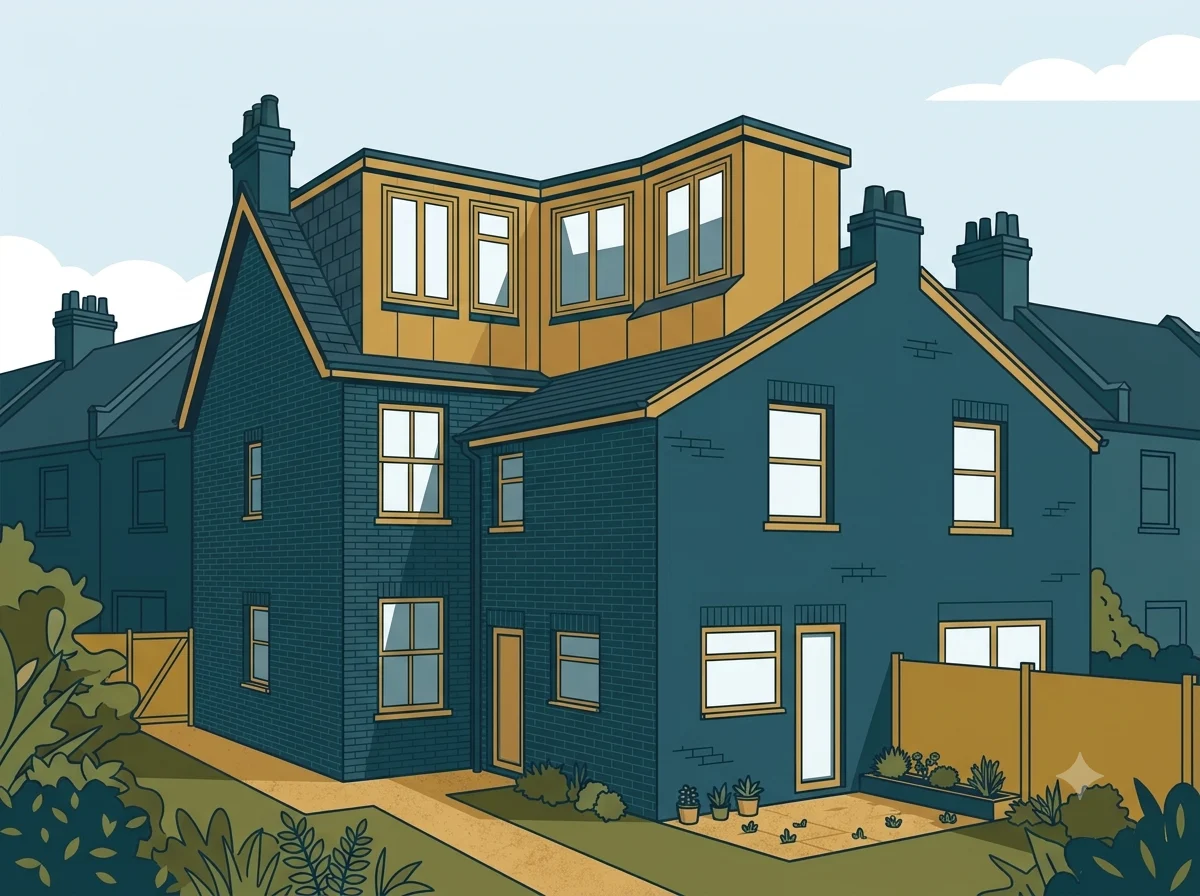
Mansard Loft Conversion in Stanmore
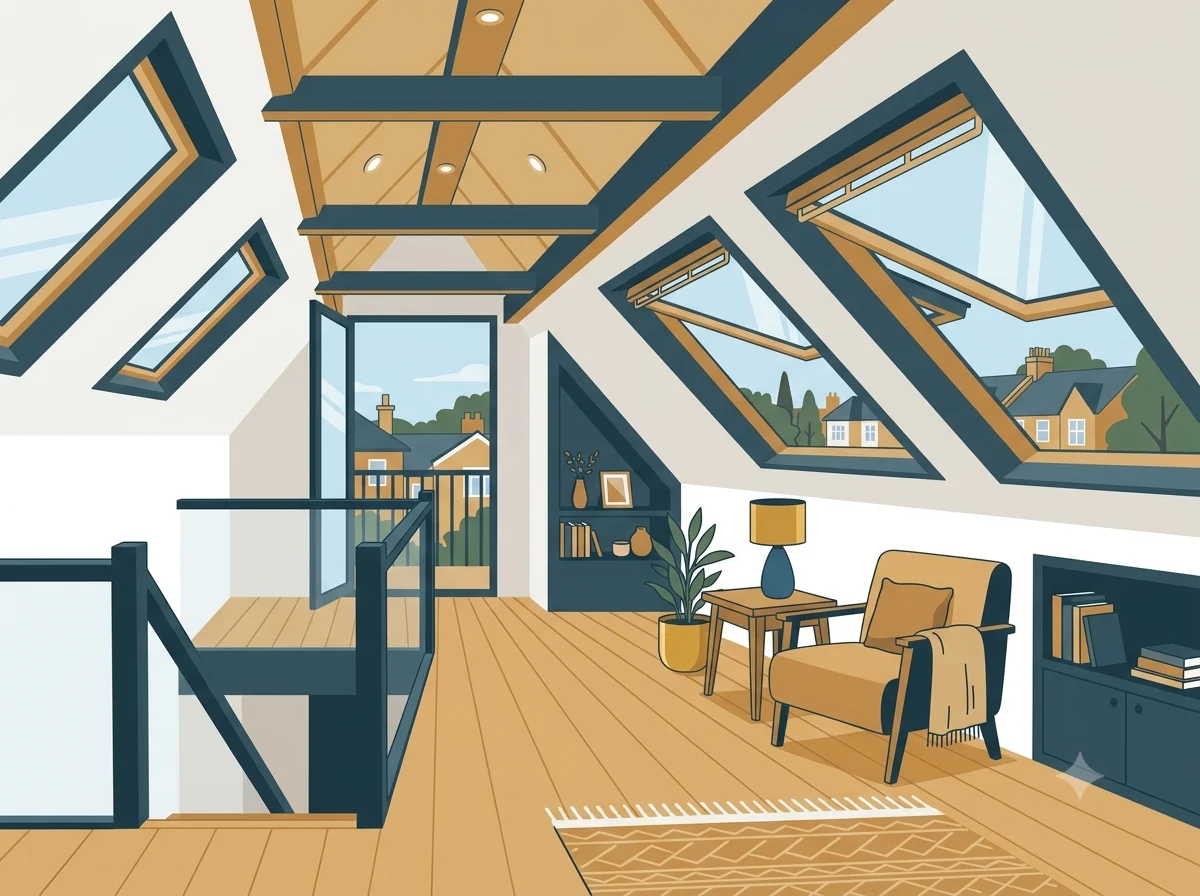
Velux Loft Conversion in Stanmore
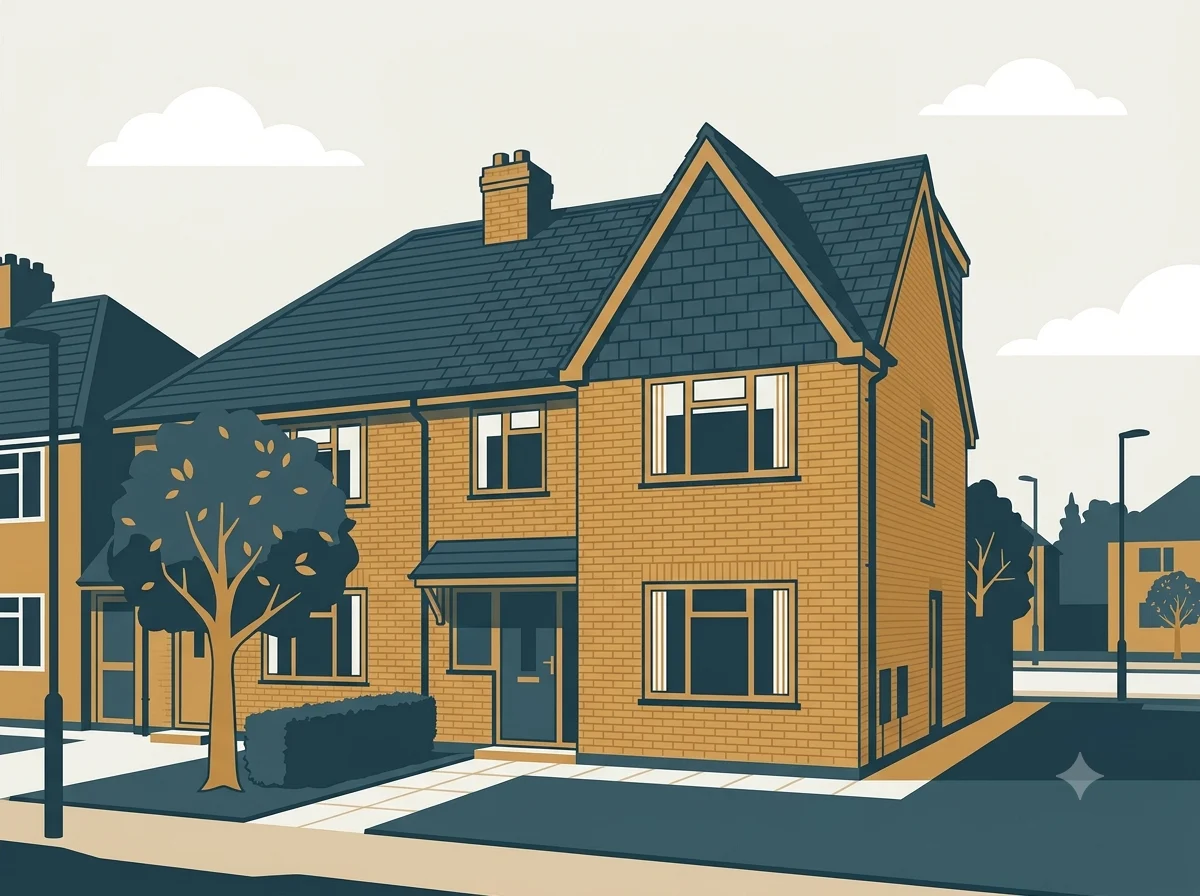
Hip to Gable Loft Conversion in Stanmore
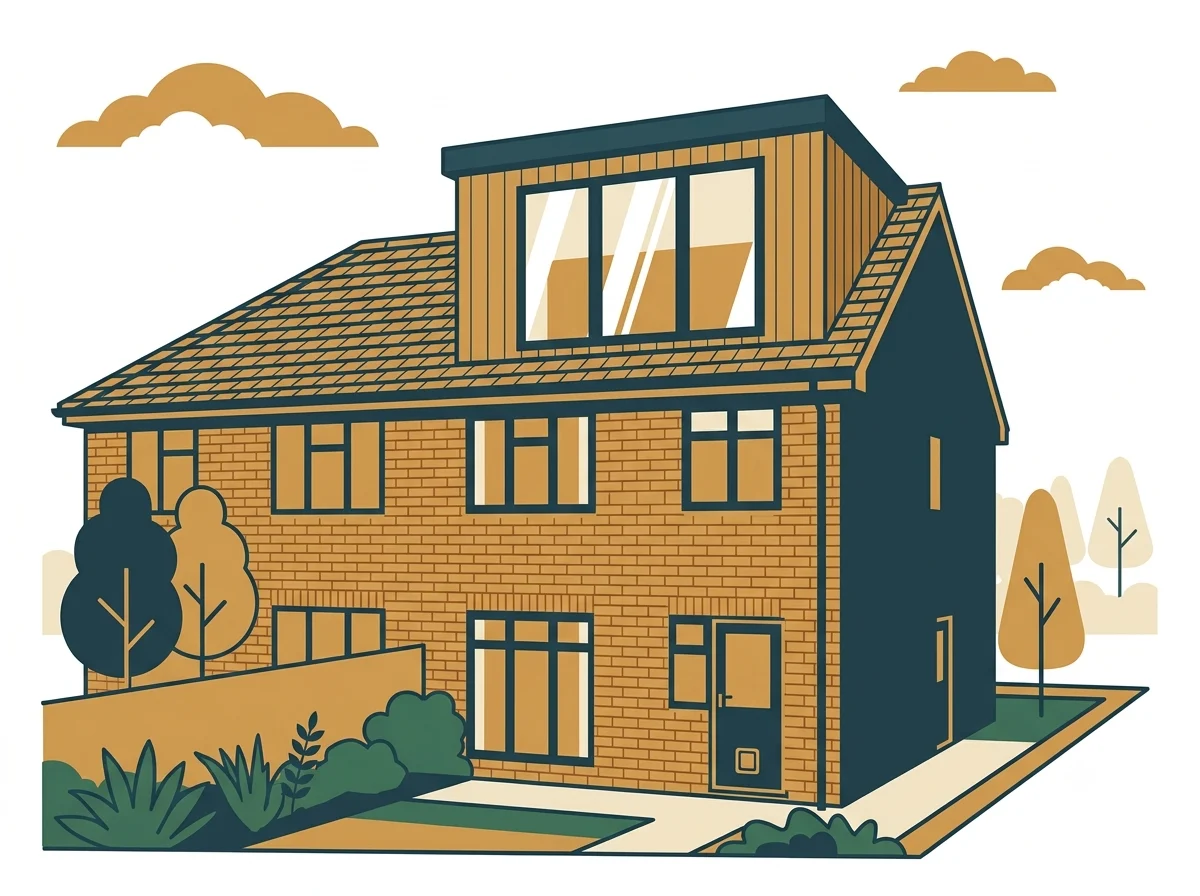
Dormer Loft Conversion in Stanmore
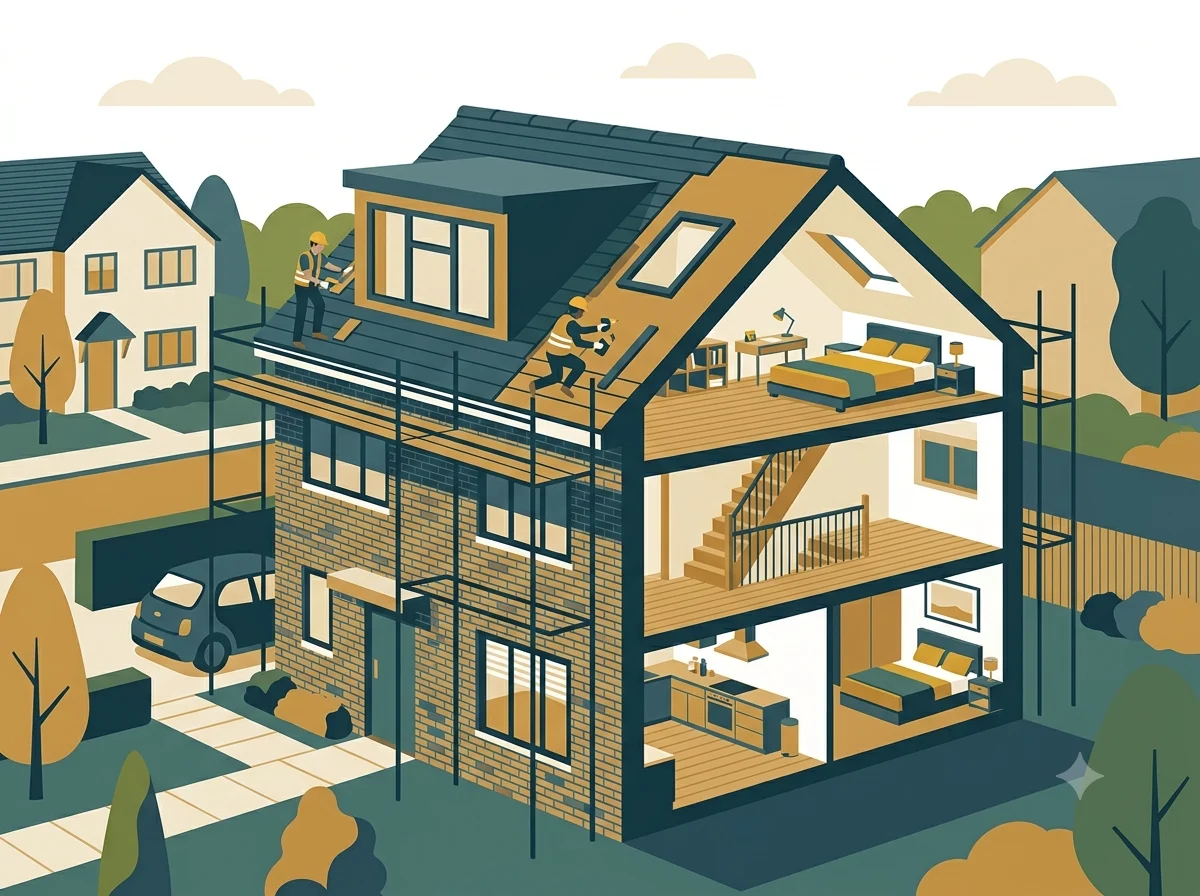
New Build Loft Conversion in Stanmore
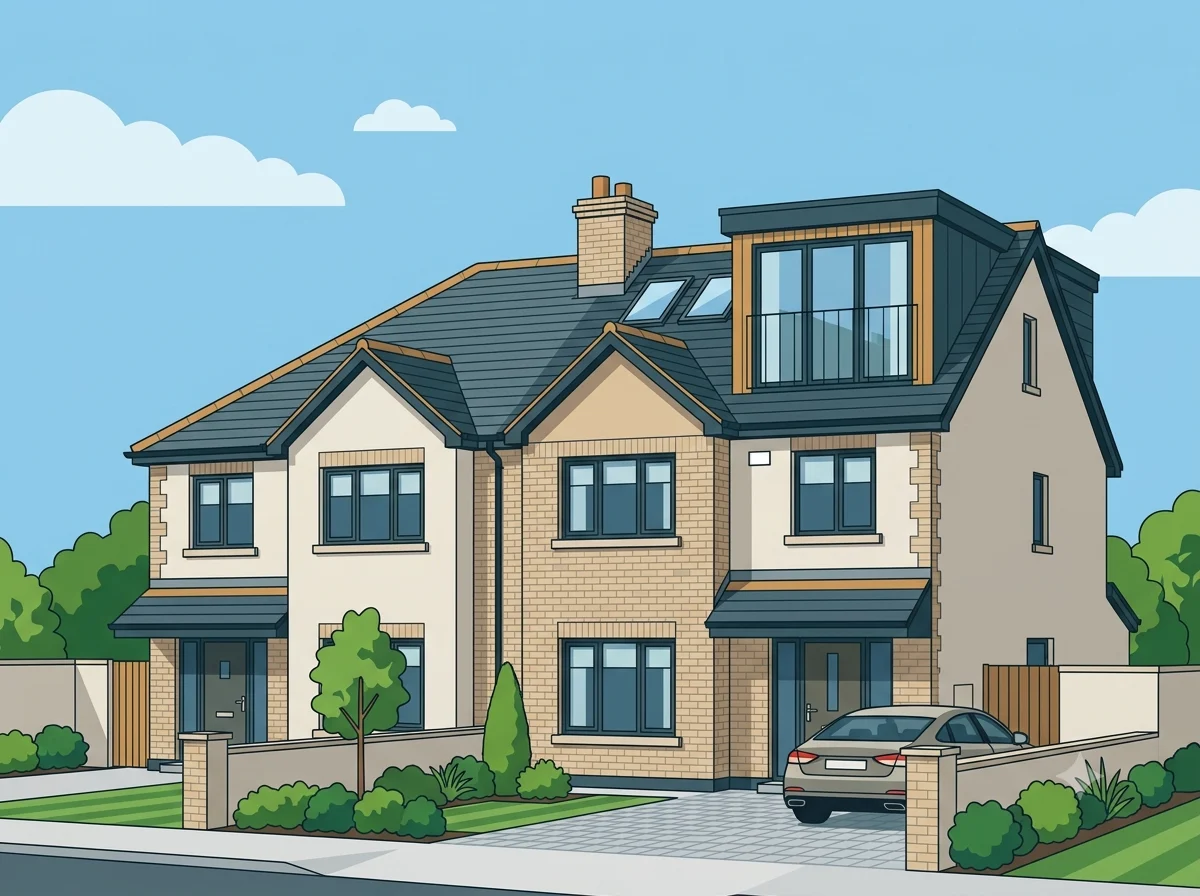
Semi Detached Loft Conversion in Stanmore
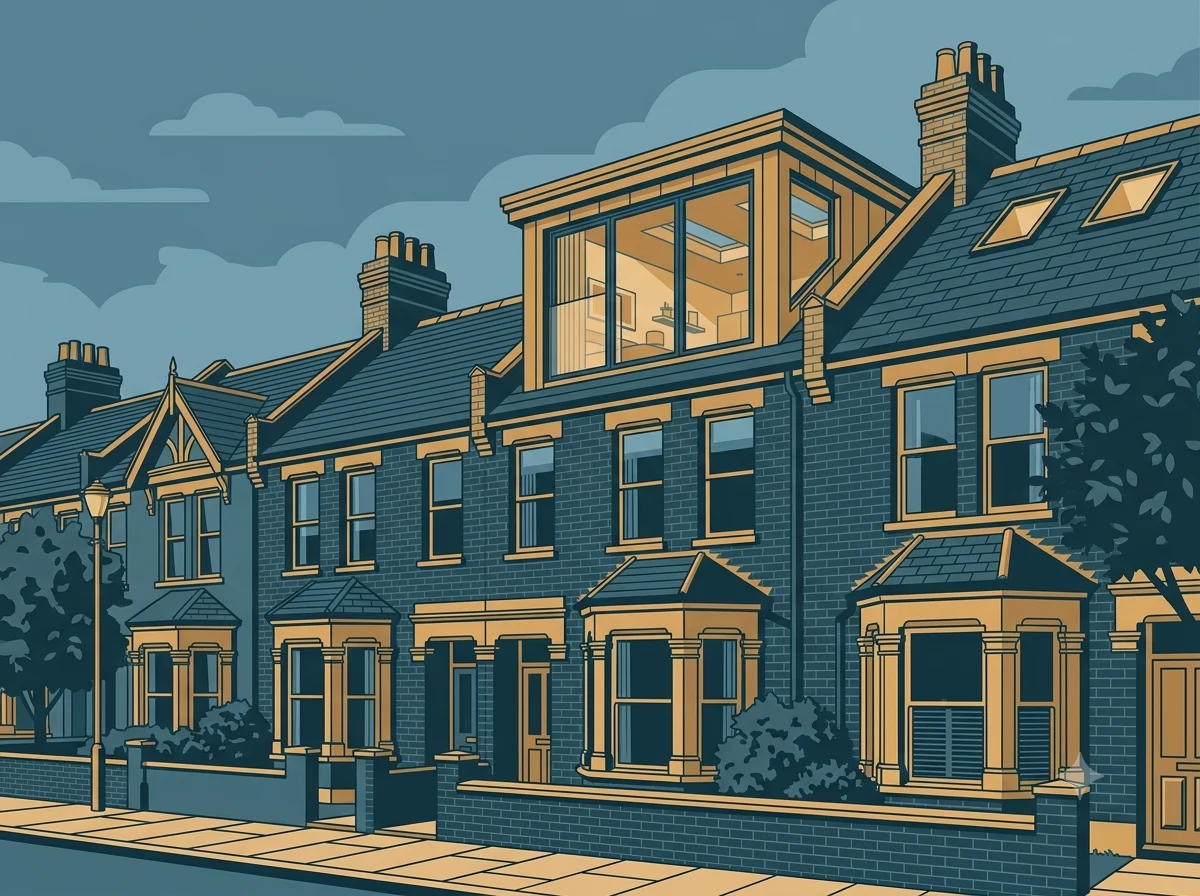
Terraced House Loft Conversion in Stanmore
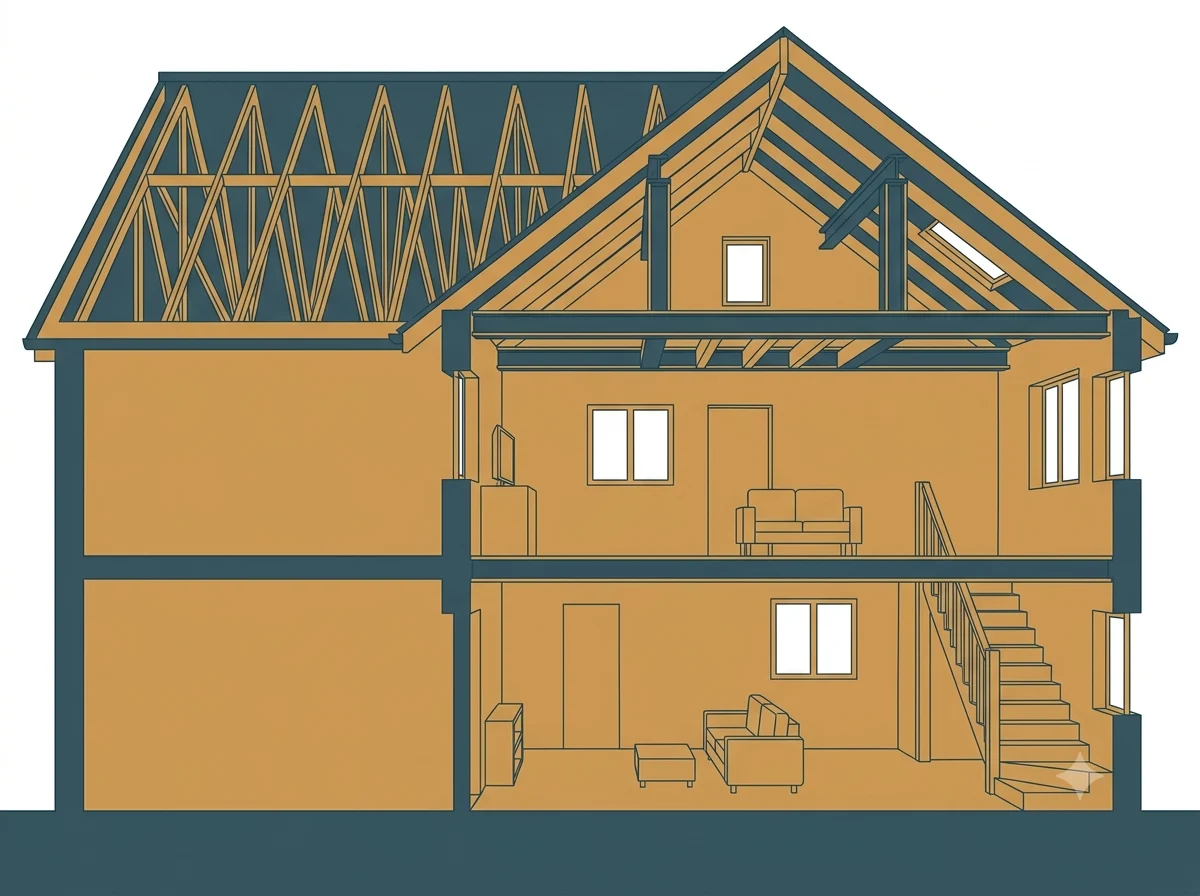
Trussed Roof Loft Conversion in Stanmore
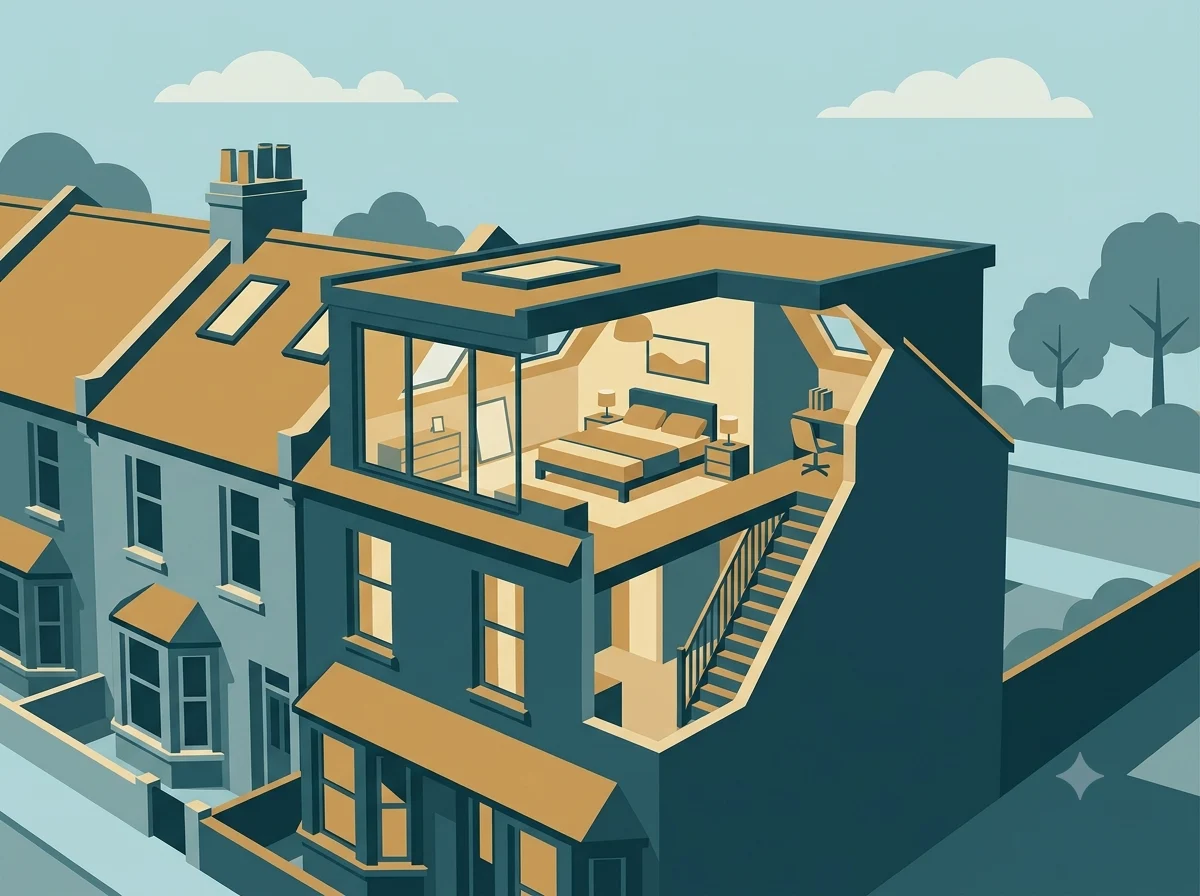
Low Pitch Loft Conversion in Stanmore
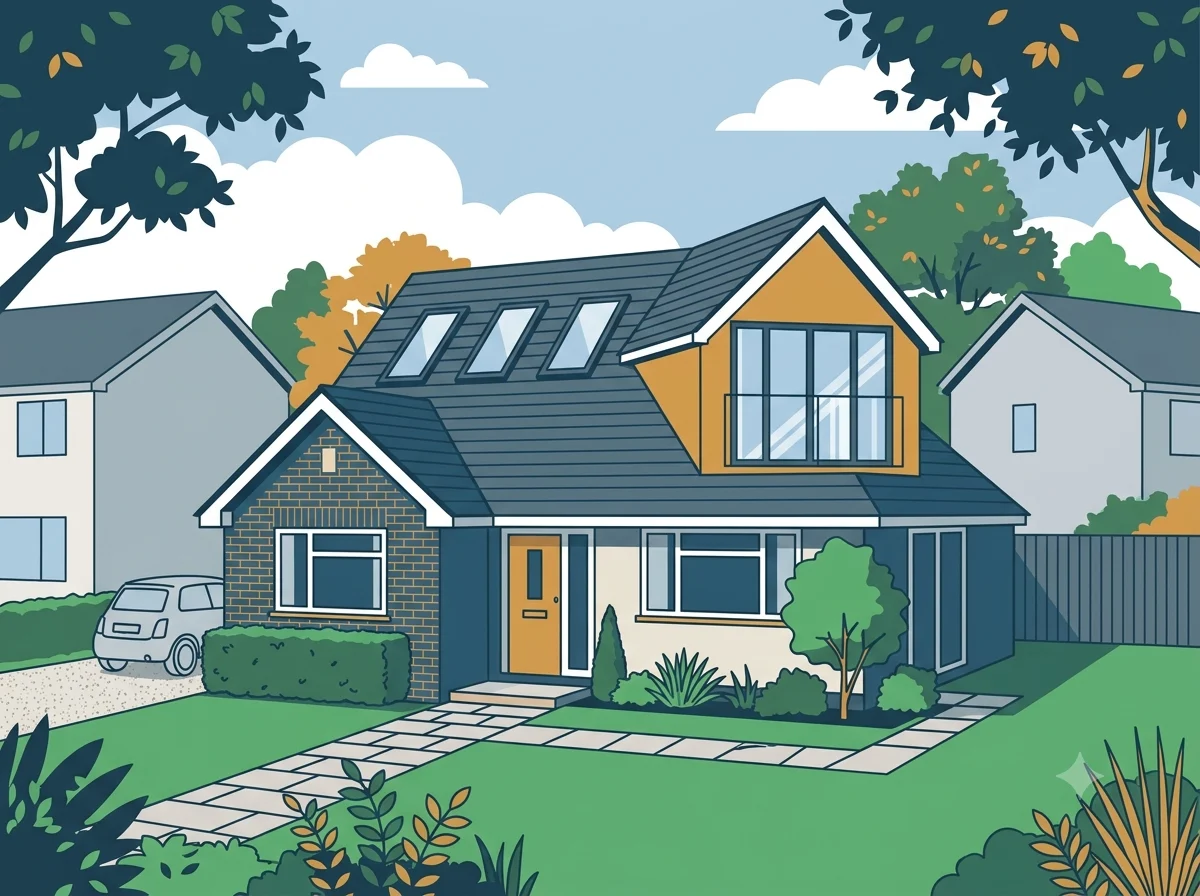
Bungalow Loft Conversion in Stanmore
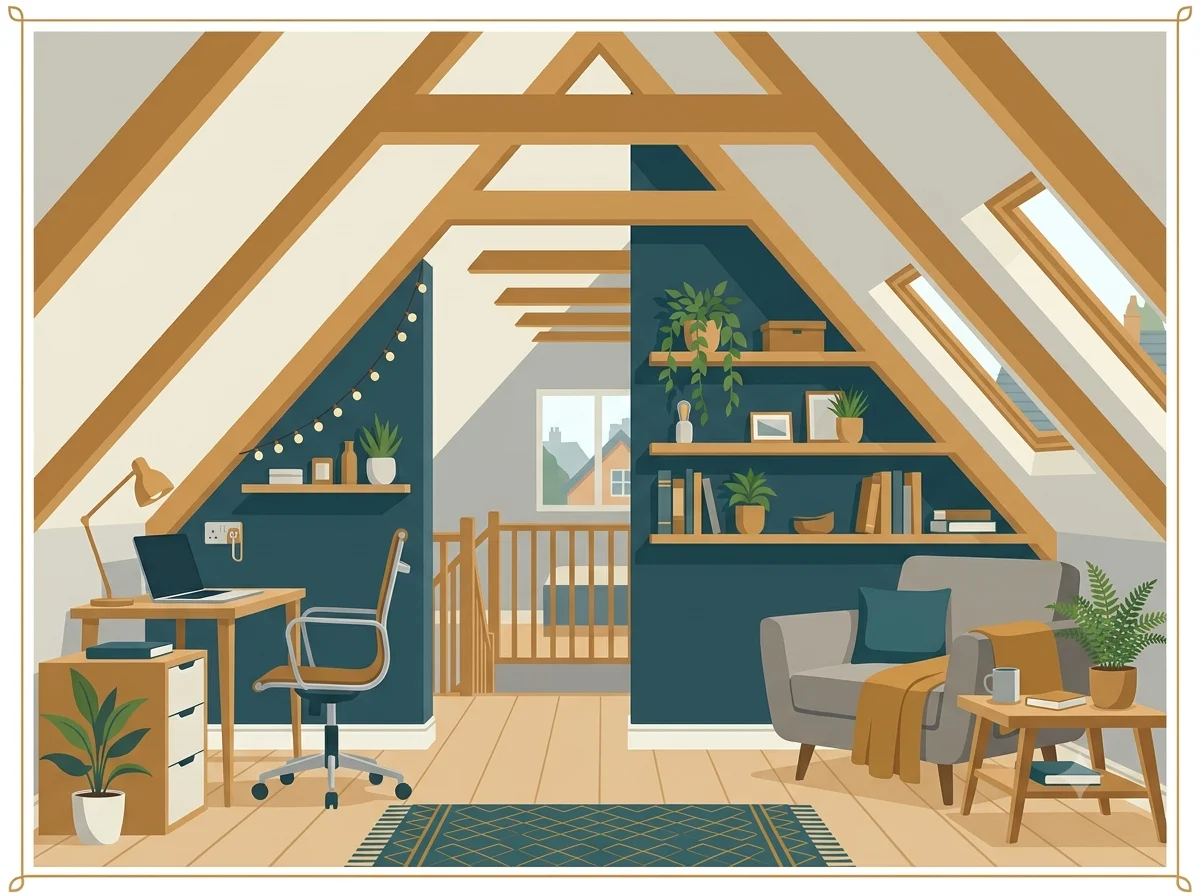
Low Ceiling Loft Conversion in Stanmore
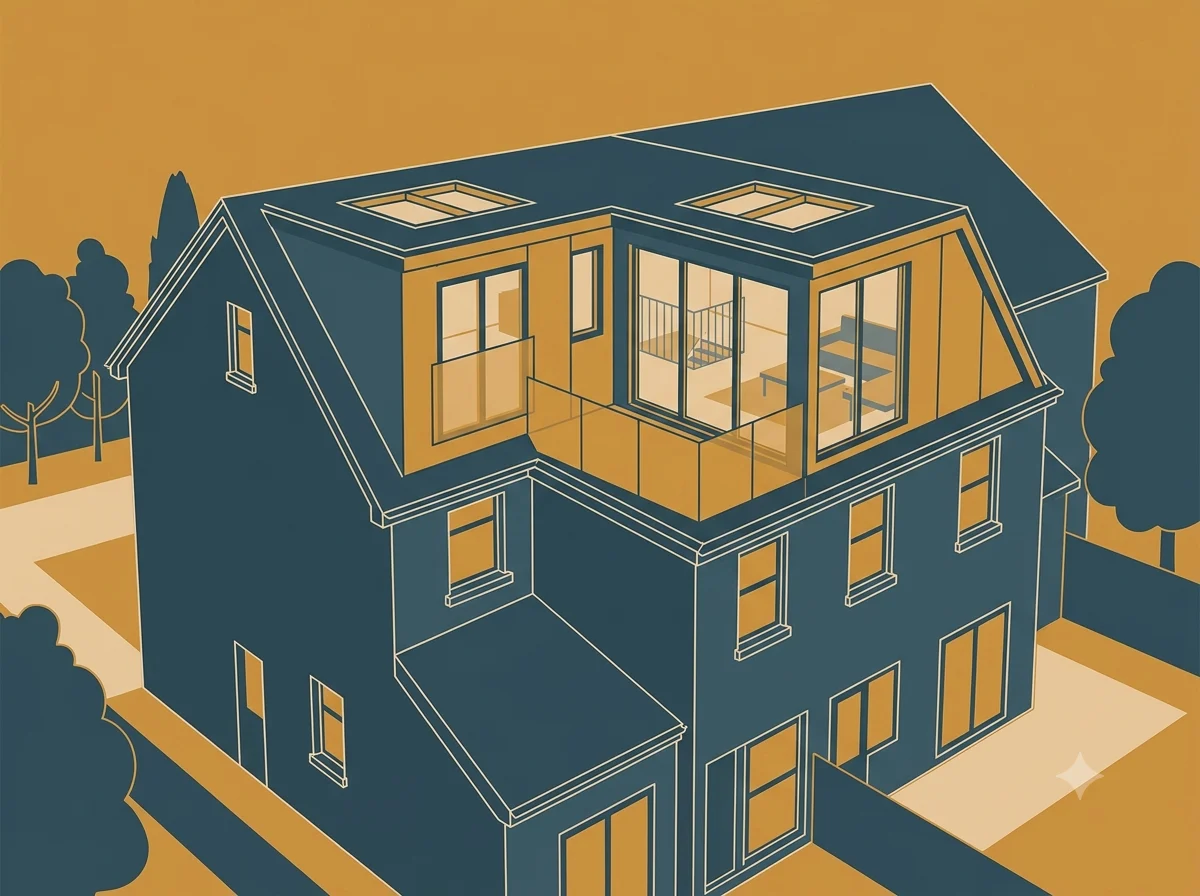
L Shaped Loft Conversion in Stanmore
Near by Areas
Frequently asked questions (FAQ)
Do I need planning permission for a loft conversion in Stanmore?
Most rear dormer loft conversions in Stanmore fall under permitted development and do not need planning permission. However, if your home is in the Stanmore Hill or Little Common Conservation Area, Harrow Council's Article 4 Direction may remove that right, so it is worth checking your address with the council first.
Which council deals with planning applications in Stanmore?
Stanmore falls under the London Borough of Harrow, and applications are handled by Harrow Council's Planning Service at the Civic Centre on Station Road. They can confirm whether your property sits inside a conservation area or the Article 4 boundary.
What type of houses can be found in Stanmore?
Stanmore has a mix of 1930s semi detached homes, larger detached properties around Stanmore Hill, some Edwardian and Georgian era buildings, and newer developments such as Bentley Priory. The right type of loft conversion often depends on which of these styles your home falls into.
Does Article 4 affect all of Stanmore?
No. The Article 4 Direction in Stanmore only applies to specific properties within the Stanmore Hill and Little Common Conservation Areas. Homes outside these conservation areas generally still have normal permitted development rights for loft conversions.
How much does a loft conversion cost in Stanmore?
Costs in Stanmore tend to follow the same range as the rest of Harrow borough, with rear dormer conversions costing roughly £40,000 to £60,000 and mansard conversions costing more, often between £60,000 and £95,000, depending on the size and style of the property.