
Loft Conversions in Mill Hill
Mill Hill City Information
Mill Hill is a north London suburb in the London Borough of Barnet, about nine miles north west of Charing Cross. It has three main parts Mill Hill Village along The Ridgeway and surrounding lanes, Mill Hill Broadway around the Thameslink station and shops, and Mill Hill East near the Northern line branch and the Millbrook Park development. Mill Hill Village retains a semi rural feel, with green belt land, open countryside views, a village green, cricket club and traditional cottages that make it feel like a village despite being within Greater London. Mill Hill Broadway is the busy centre with shops, cafes and Mill Hill Broadway station, while Mill Hill East has seen significant new housing on the former Inglis Barracks site at Millbrook Park. Families and professionals are drawn to Mill Hill for its good schools, quiet residential streets, green spaces such as Arrandene Open Space and Belmont Farm, and strong rail and road connections that make commuting into central London straightforward.
Mill Hill sits in the NW7 postcode district, which also takes in part of Arkley and part of Edgware. Within NW7 the rules vary a great deal. A house on an ordinary street near Mill Hill Broadway and a cottage on The Ridgeway share a postcode but are treated very differently the moment you apply for anything.
Cost Range
- Loft conversion costs in Mill Hill run above the national average. Barnet sits at roughly 1.22 times the UK average for construction costs, so expect £1,500 to £2,500 per square metre for a good standard of finish.
- A roof light or Velux conversion usually costs between £25,000 and £40,000, because the shape of the roof does not change.
- A standard rear dormer runs from about £40,000 to £60,000.
- Hip to gable is the most common choice on the interwar semis and detached houses around Mill Hill Broadway and Mill Hill East, where the roof slopes inwards on all four sides. Straightening the hip and adding a rear dormer in the same job is what usually produces a double bedroom with an en suite. On its own the hip to gable runs £50,000 to £75,000, or £65,000 to £90,000 with the dormer included.
- A mansard costs the most at £60,000 to £95,000.
- Two local things push the price up. Inside the Mill Hill Conservation Area the Article 4 directions mean a full planning application and a design that suits the village, which usually means more modest dormers and better materials than you would need on an ordinary NW7 street. And the newer estates and flat blocks around Millbrook Park and Lidbury Square often have shared structures and more complicated roofs, so a conversion there may need detailed structural design or may not be possible at all.
- These are guide figures and not a quote. Roof size, access and the state of the existing structure all change the final number.
Planning Notes
Mill Hill is covered by the Planning Service within Planning and Environmental Protection at the London Borough of Barnet. On many NW7 streets outside the conservation area, loft conversions can go ahead under national permitted development rights if they stay within the standard limits for roof volume, height and design. Terraced houses can normally add up to 40 cubic metres of roof space and semi detached or detached houses up to 50 cubic metres, with no part of the extension projecting beyond the roof plane of the principal elevation and dormers set back from the eaves. Materials should be similar to the existing roof and walls, balconies and roof terraces are not allowed under permitted development, and side facing windows must be obscure glazed and non opening below 1.7 metres. Building regulations approval is always required and a Lawful Development Certificate from Barnet is often recommended to confirm that a Mill Hill loft conversion is permitted development. However, Mill Hill Village is a designated conservation area with multiple Article 4 directions, which remove permitted development rights for many external changes, including roof alterations, across most of the conservation area. In those parts of Mill Hill, and on some green belt edges, loft conversions and roof extensions normally need full planning applications, with careful attention to roof form, materials and impact on the character of the village and landscape.
Article Notes
Barnet introduced an Article 4 direction for most of the Mill Hill conservation area shortly after its designation, removing several permitted development rights so that minor works such as external doors, windows, roofing materials, hardstandings, porches and external painting need planning permission. The direction covers character areas including The Ridgeway, Milespit Hill, Wills Grove, Winterstoke Gardens and clusters around The Forge and Lawrence Street, as well as controls on boundaries in Mill Hill Cemetery and agricultural Article 4 directions over surrounding open land. National datasets record separate Article 4 parcels for Mill Hill conservation area, including Article 4 for Mill Hill CA and Article 4(2) directions, which together remove householder permitted development rights across its core streets. In addition, Barnet has a borough wide Article 4 direction for small Houses in Multiple Occupation, which means changing a Mill Hill family house into a small HMO requires full planning permission rather than relying on national permitted development rights. For homeowners, this means that loft conversions in Mill Hill Village and other conservation area streets are judged through full applications, while lofts on more typical NW7 streets outside the conservation area may still proceed under permitted development subject to normal limits and conditions.
Types of Houses in Mill Hill
Mill Hill’s housing stock is varied, reflecting its village origins and later suburban growth. Mill Hill Village has country style cottages along The Ridgeway and Nan Clark’s Lane, historic houses and farm buildings, and larger detached homes set in generous plots, many overlooking green belt land. Around Mill Hill Broadway and Mill Hill East there is a broader mix of interwar semis, postwar houses and modern developments, including schemes such as Lidbury Square and Millbrook Park which provide contemporary flats and townhouses. The combination of traditional pitched roof houses in the village and spacious interwar semis and detached properties in NW7 makes hip to gable lofts, rear dormers and rooms in roofspace popular options, although conservation area and green belt controls mean roof shapes and volumes must be handled carefully. Newer estates and flat blocks often have more complex roof forms and shared structures, so loft conversions there may require full planning and detailed structural design or may not be possible in the same way as on standalone houses.
Highlights
- Mill Hill Broadway station, on Thameslink, about 20 to 25 minutes into central London
- Mill Hill East station, on the Northern line branch
- The former Mill Hill (The Hale) station, which closed to passengers in 1939 and to freight in 1964
- Mill Hill Village, the oldest inhabited part of the district, with the shortest High Street in London at 100 yards
- The Ridgeway, a medieval route through the village, with the workings of the original mill still in the building next to The Mill Field
- The village green and the cricket club
- Mill Hill School, an independent boarding and day school for pupils aged 13 to 18
- Arrandene Open Space, bordered by Wise Lane, Wills Grove, Milespit Hill and The Ridgeway, with open fields, meadows and woodland
- Belmont Farm and the Folly Brook Nature Reserve
- Mill Hill Golf Club and Barnet Copthall Leisure Centre
- Mill Hill Broadway, the main shopping street, with Brent Cross a short drive away
- The site of the National Institute for Medical Research, whose landmark building was demolished in 2018 for housing
- Inglis Barracks, home to the Middlesex Regiment from 1905 to 1966, now the Millbrook Park development
- Lidbury Square, another of the newer schemes
- The Mill Hill Conservation Area, covering around 152 hectares along The Ridgeway and the lanes around it
- Green belt land on the village edges
- A population of 18,451 at the 2011 census
- The NW7 postcode, which also takes in part of Arkley and part of Edgware
Loft Conversion Type We Offer in Mill Hill
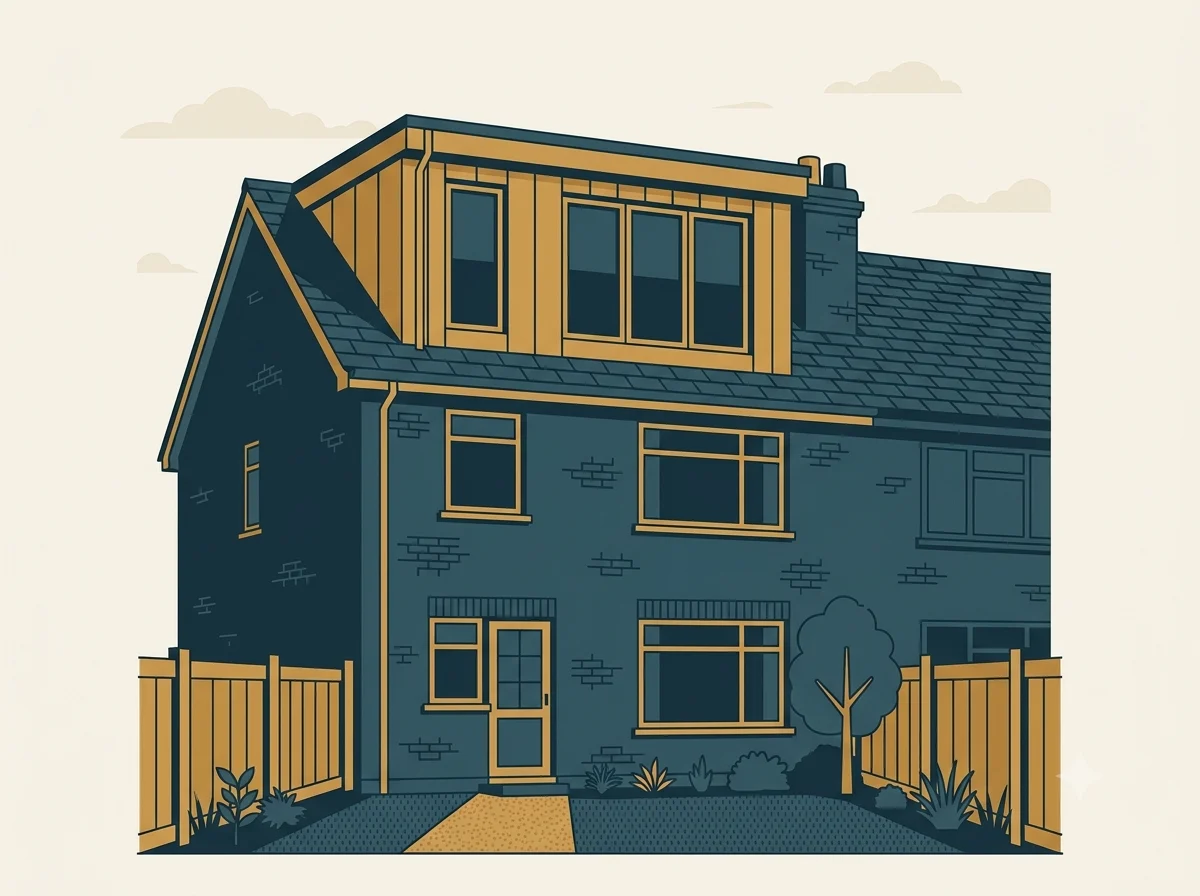
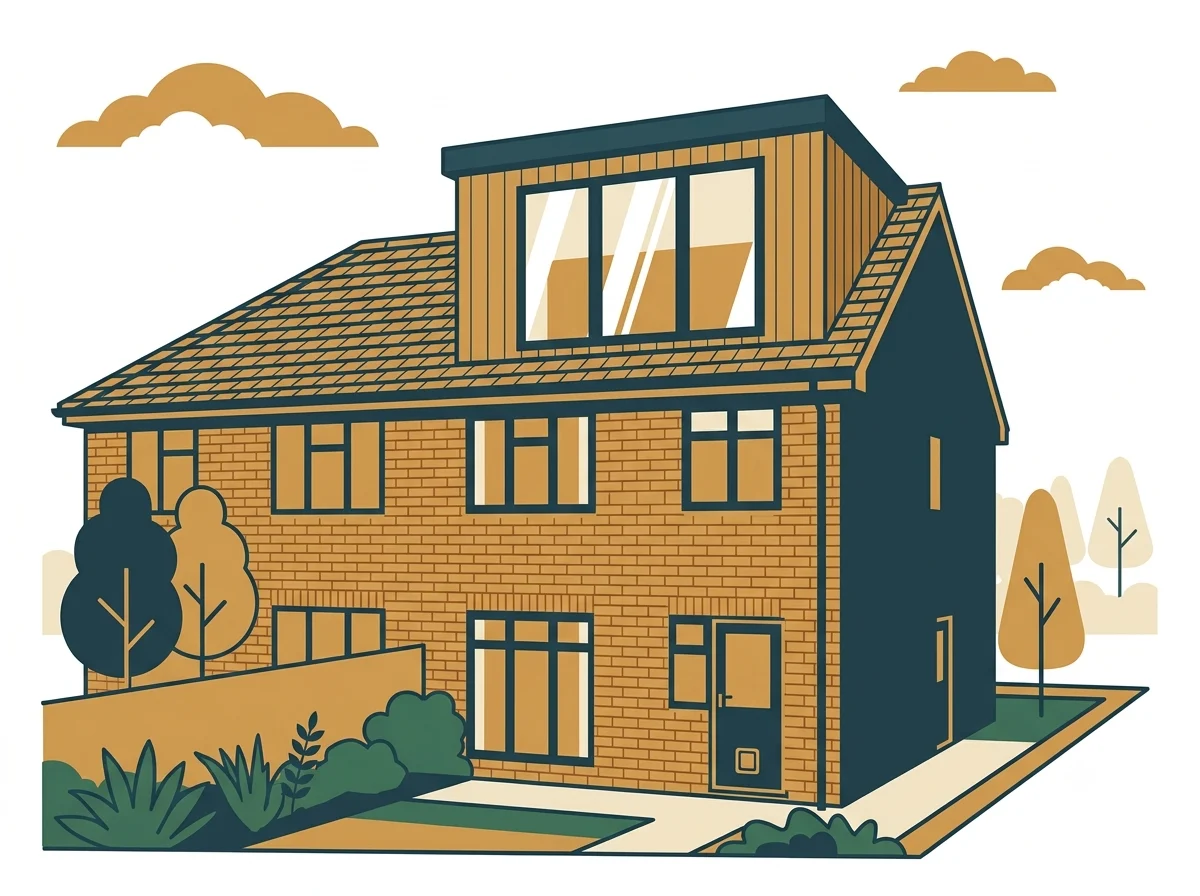
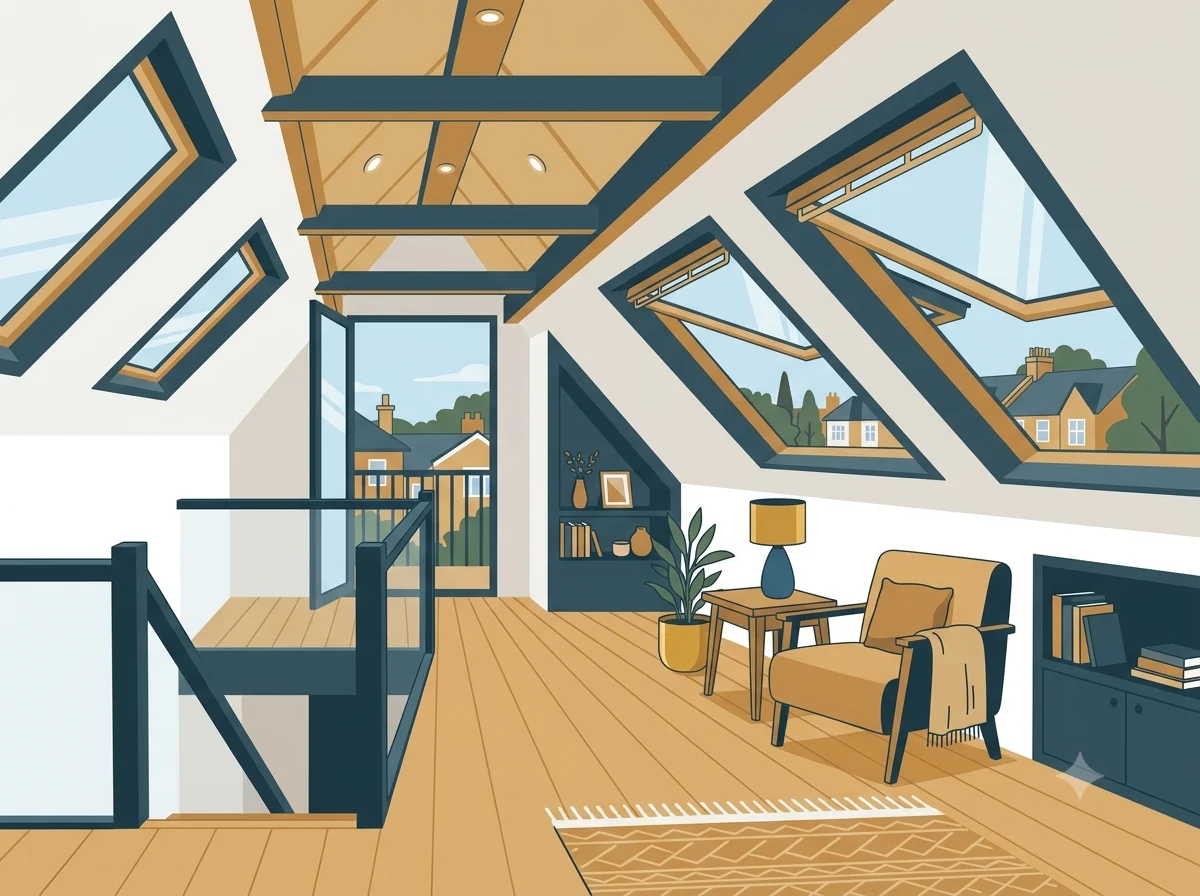
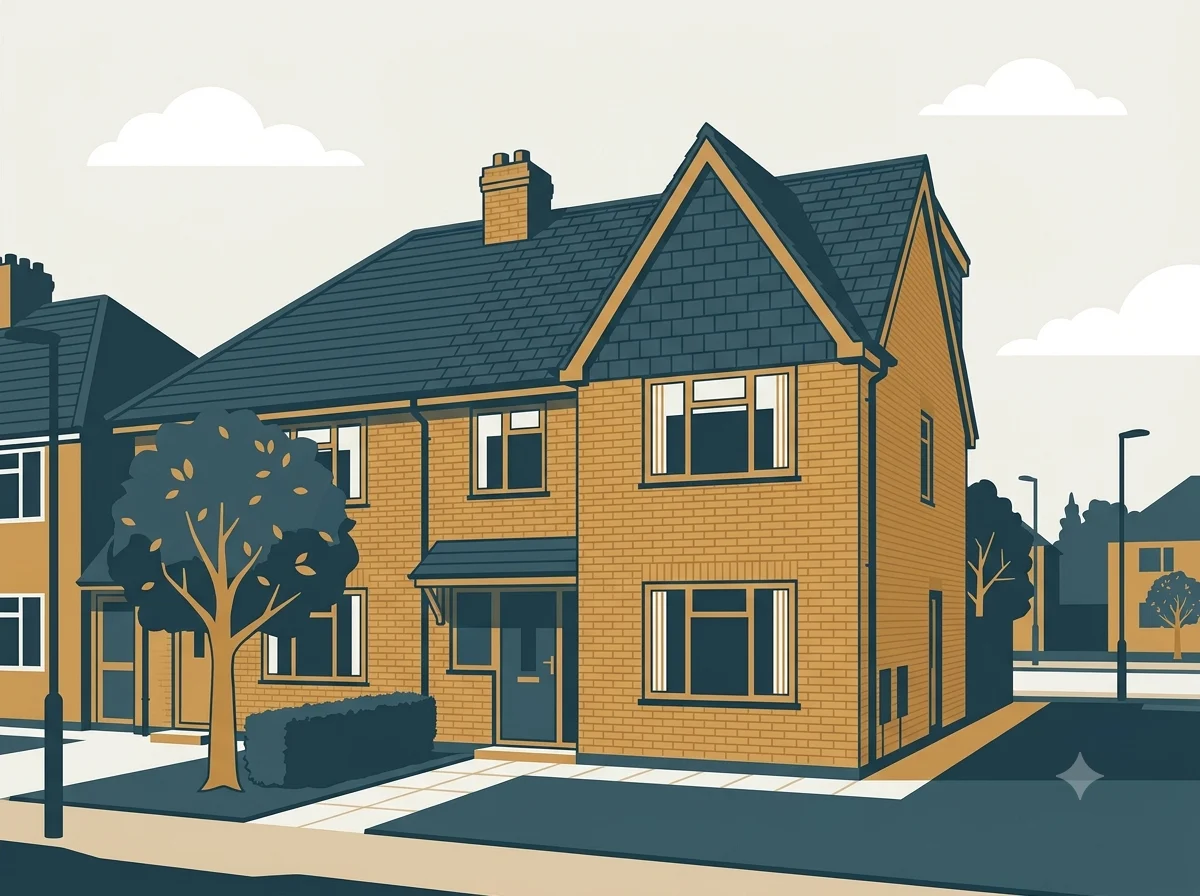
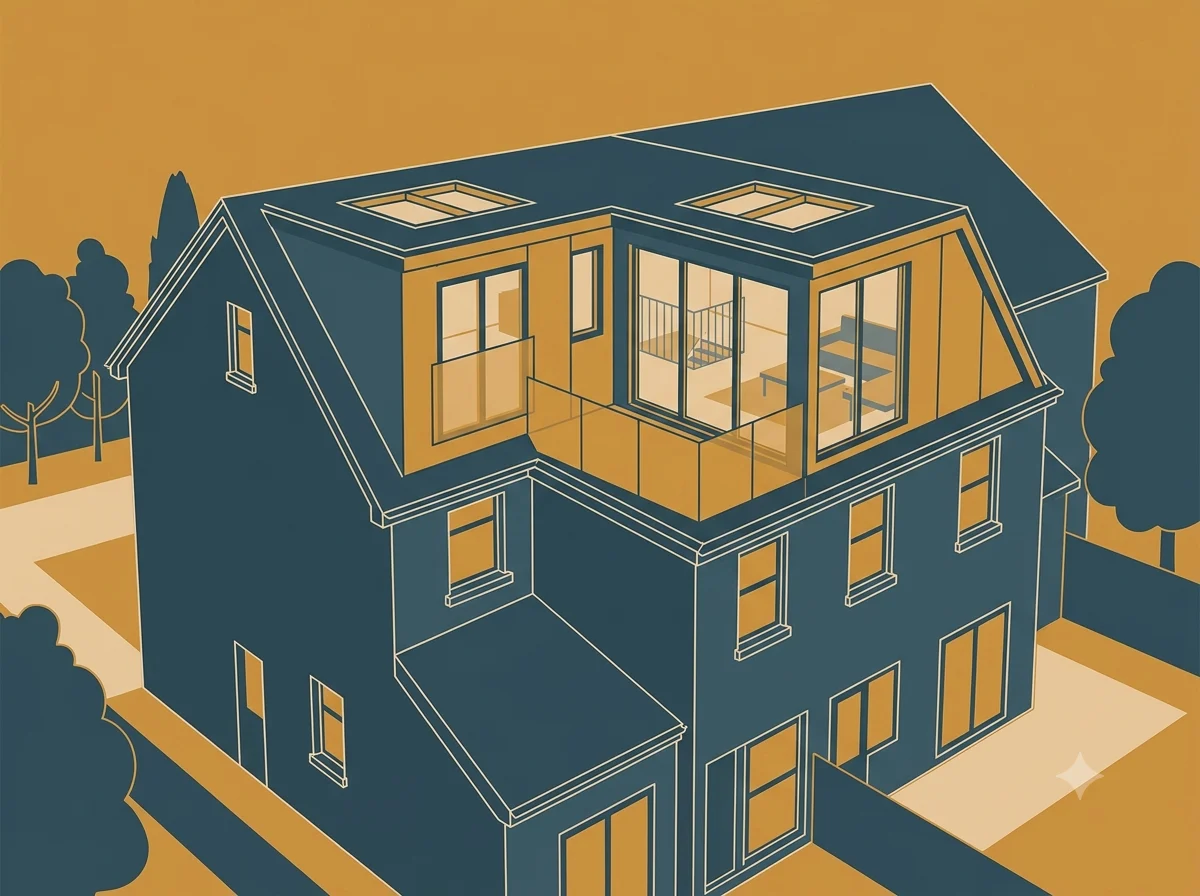
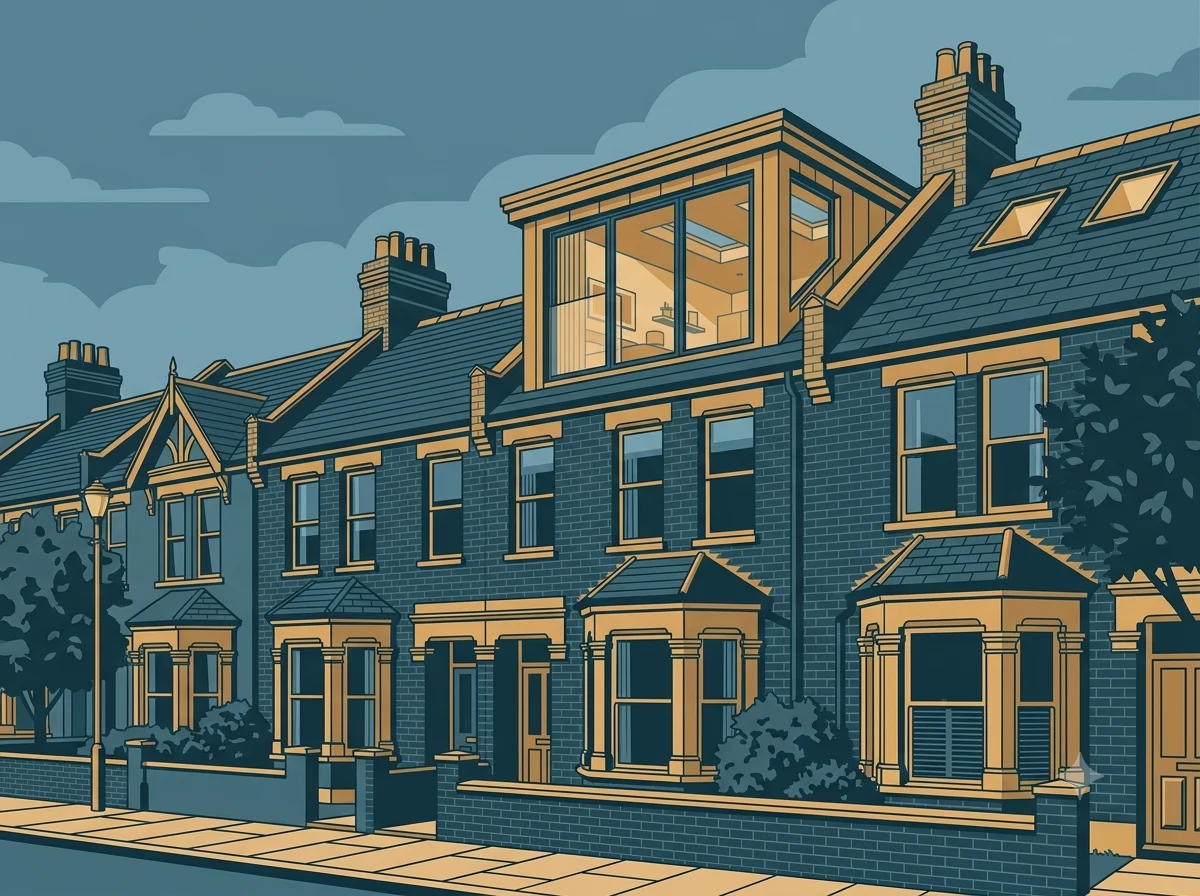
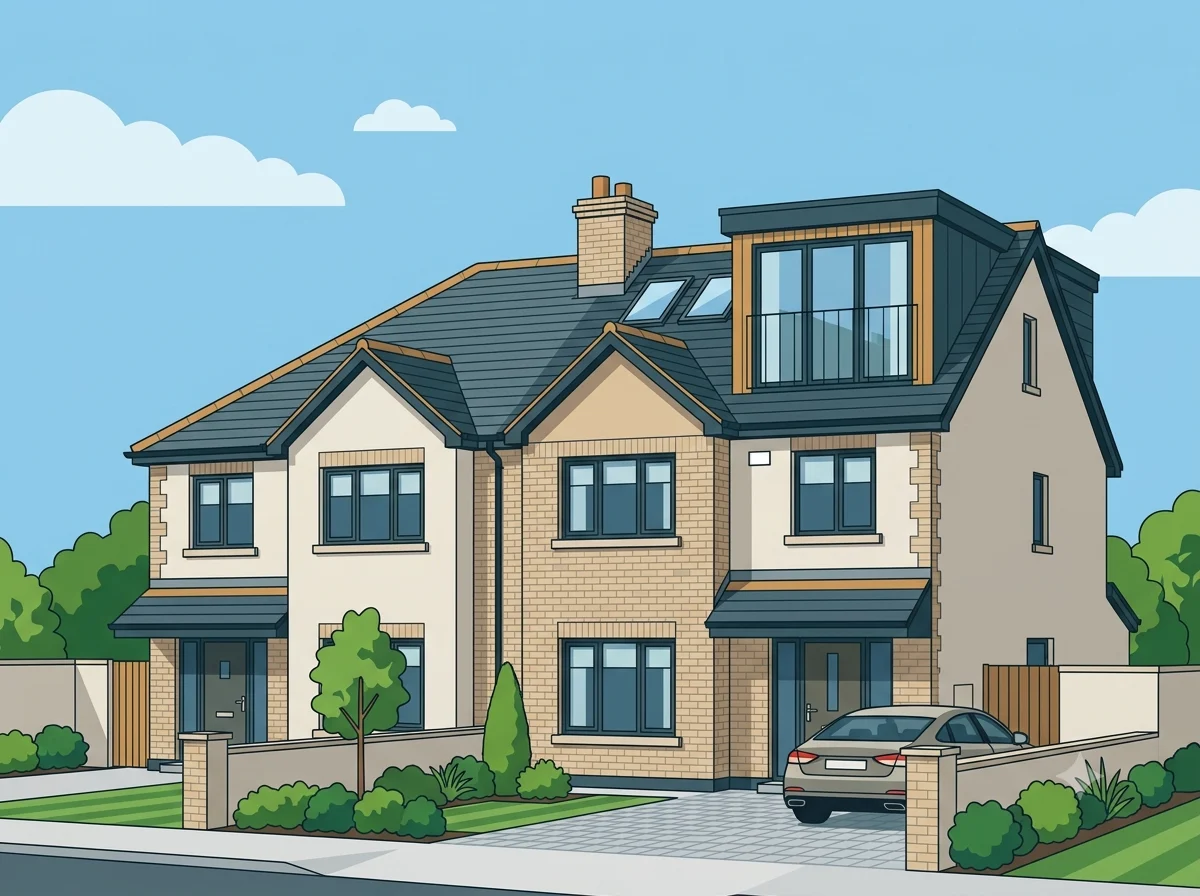
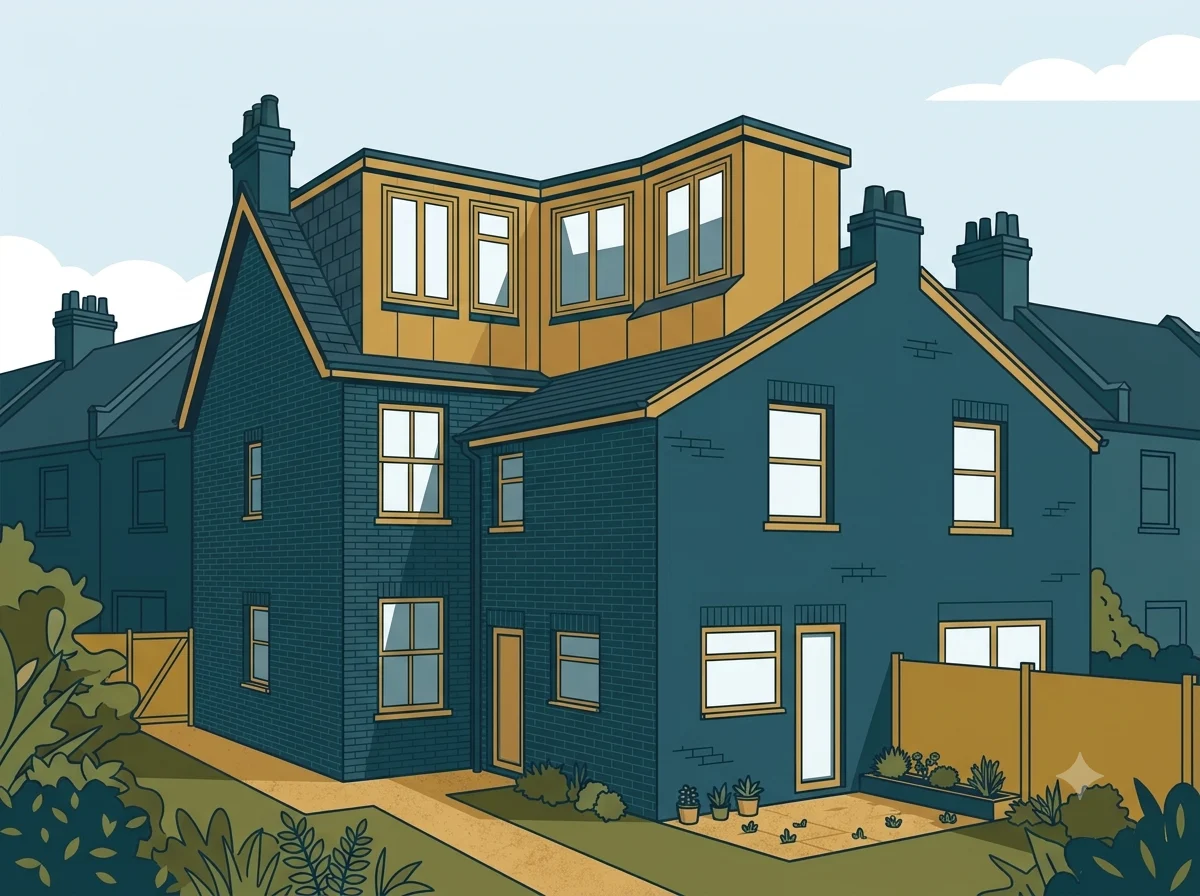
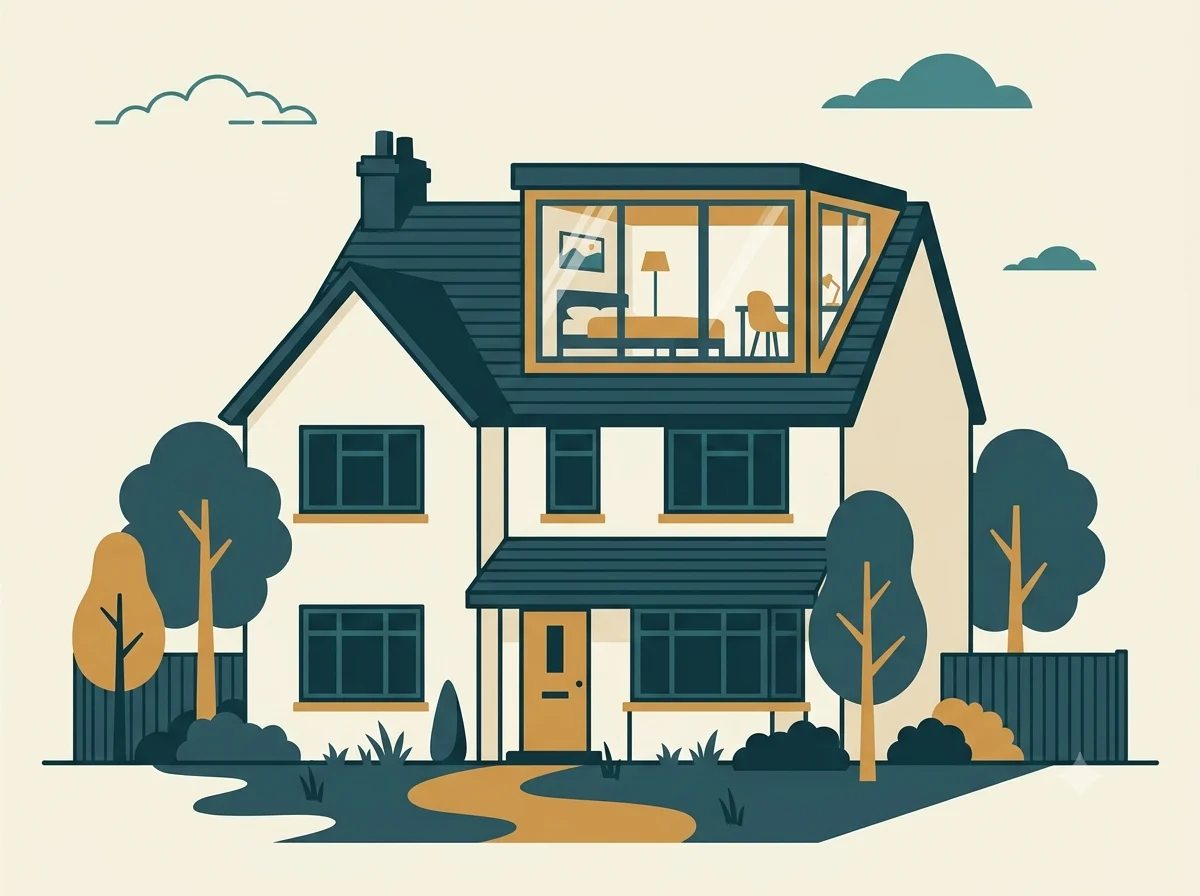
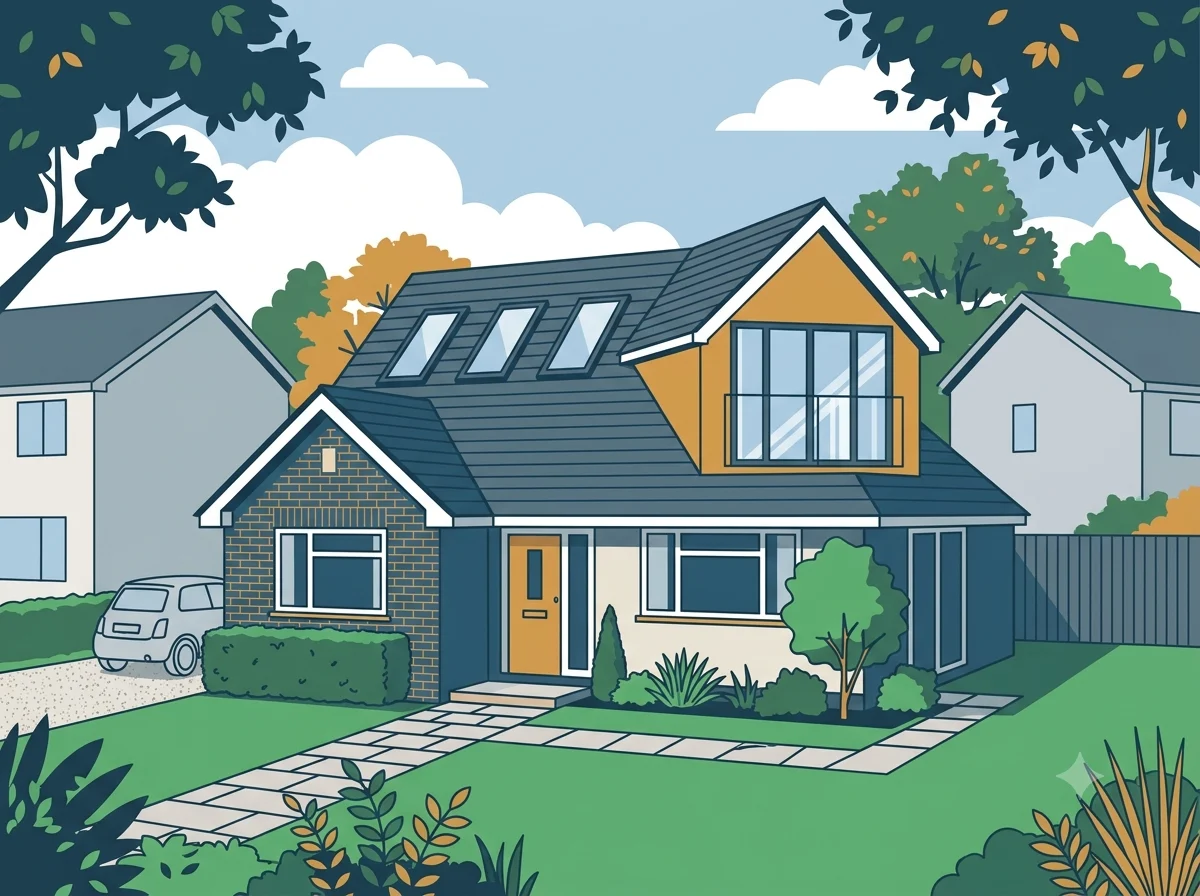
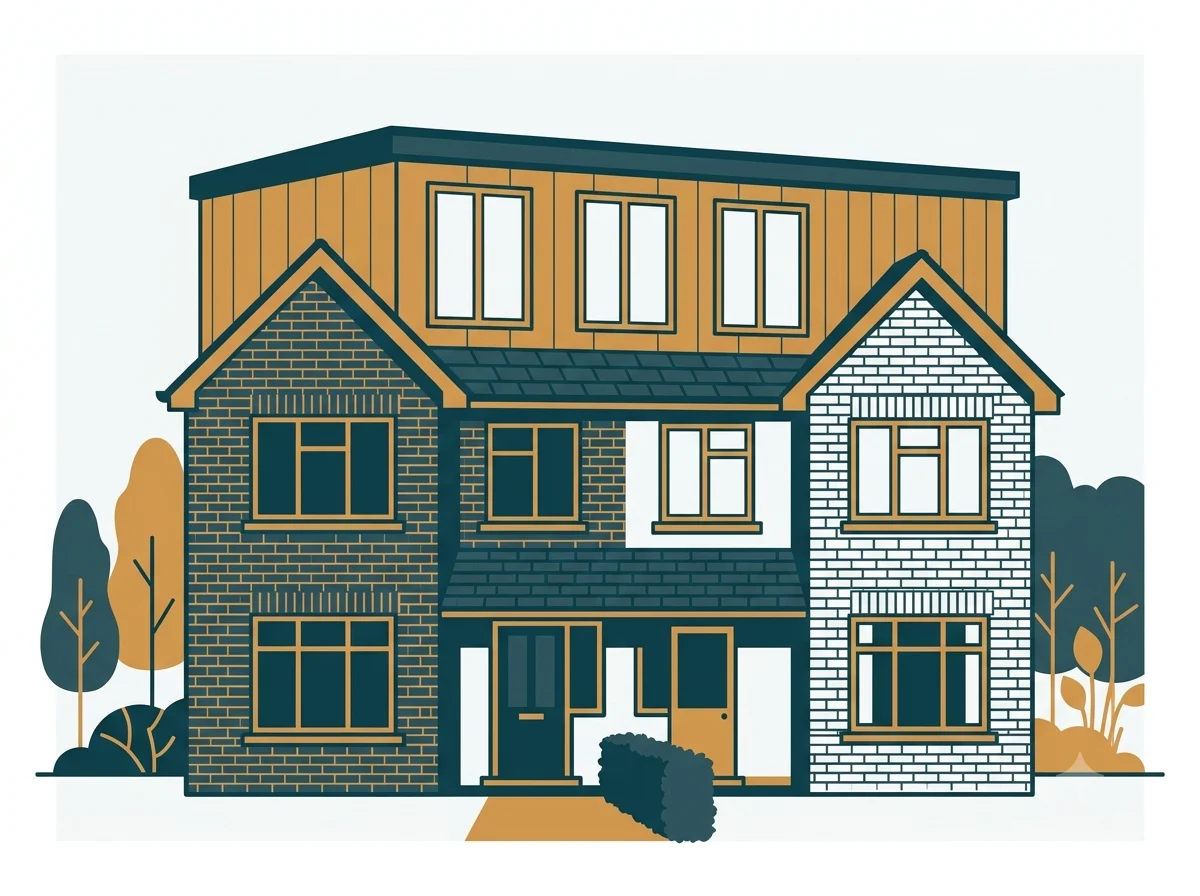
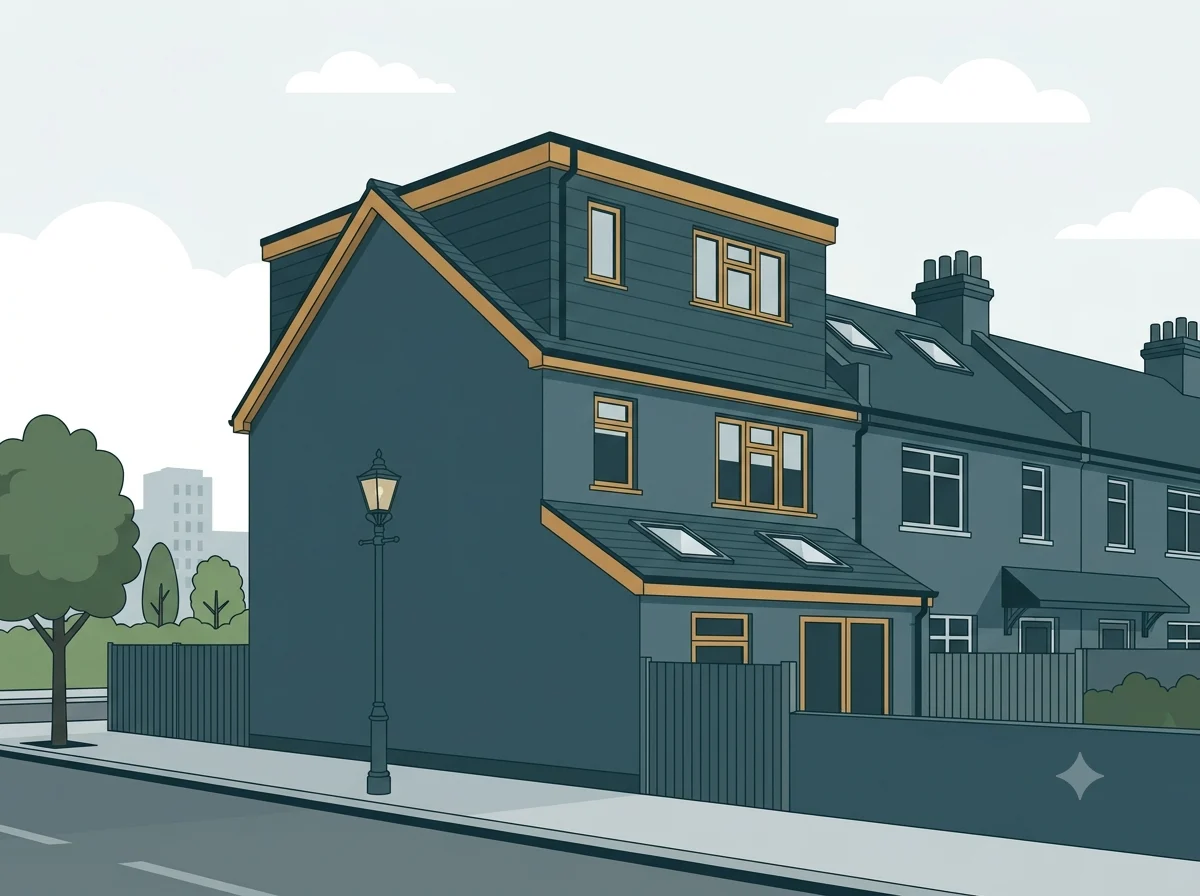
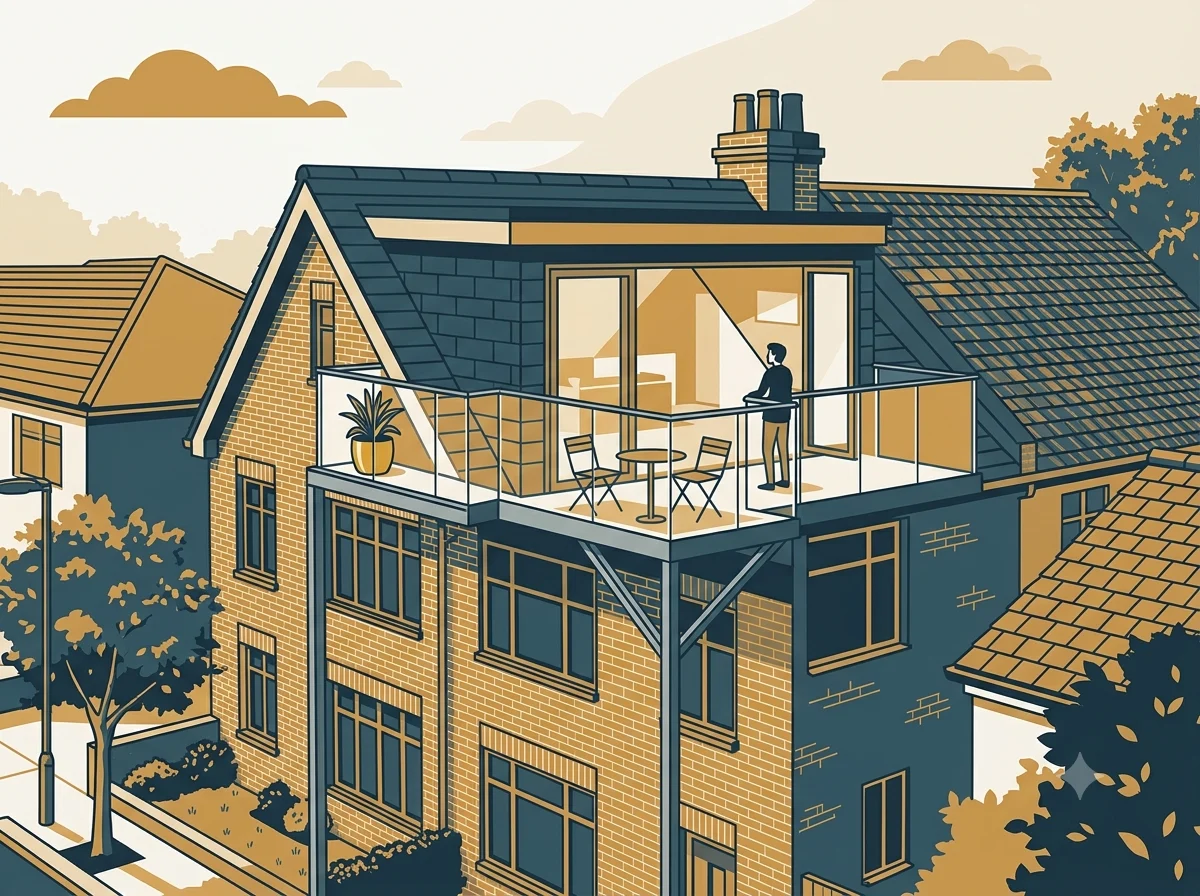
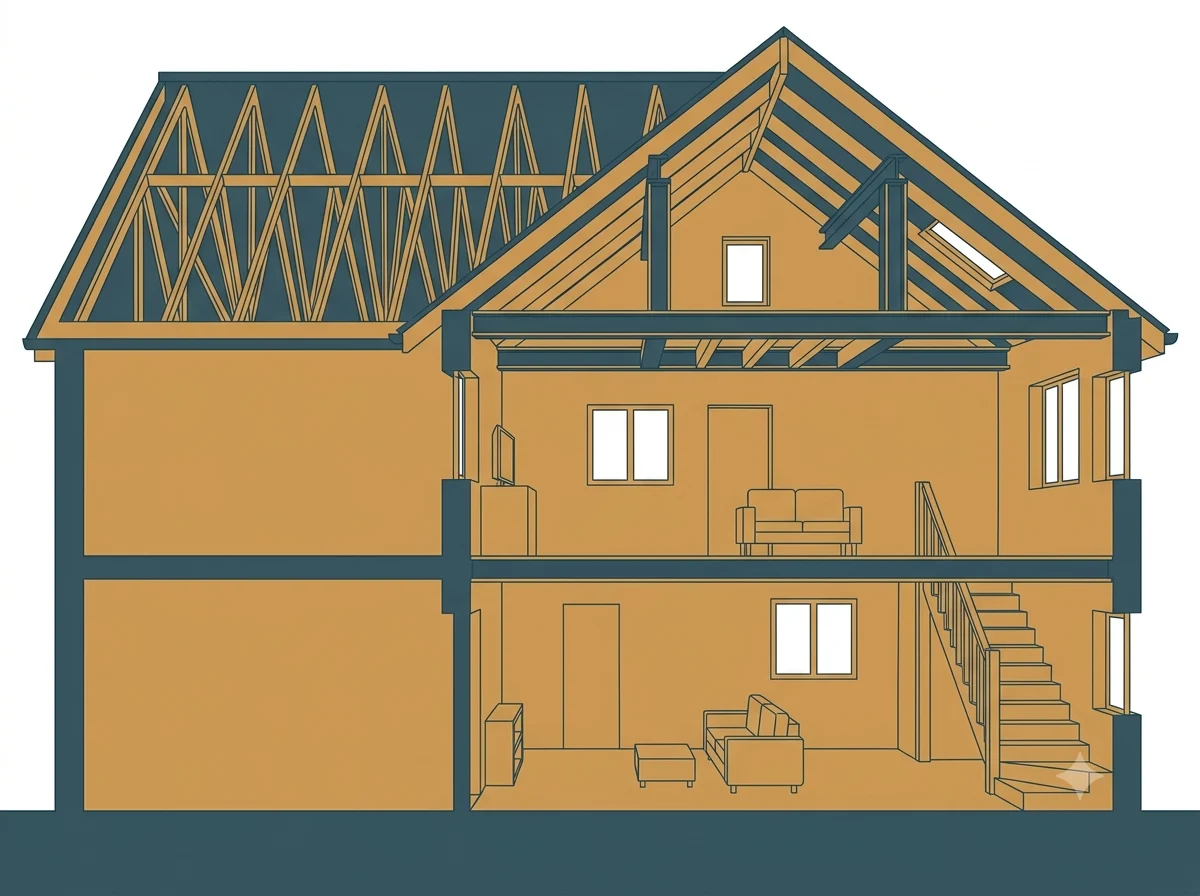
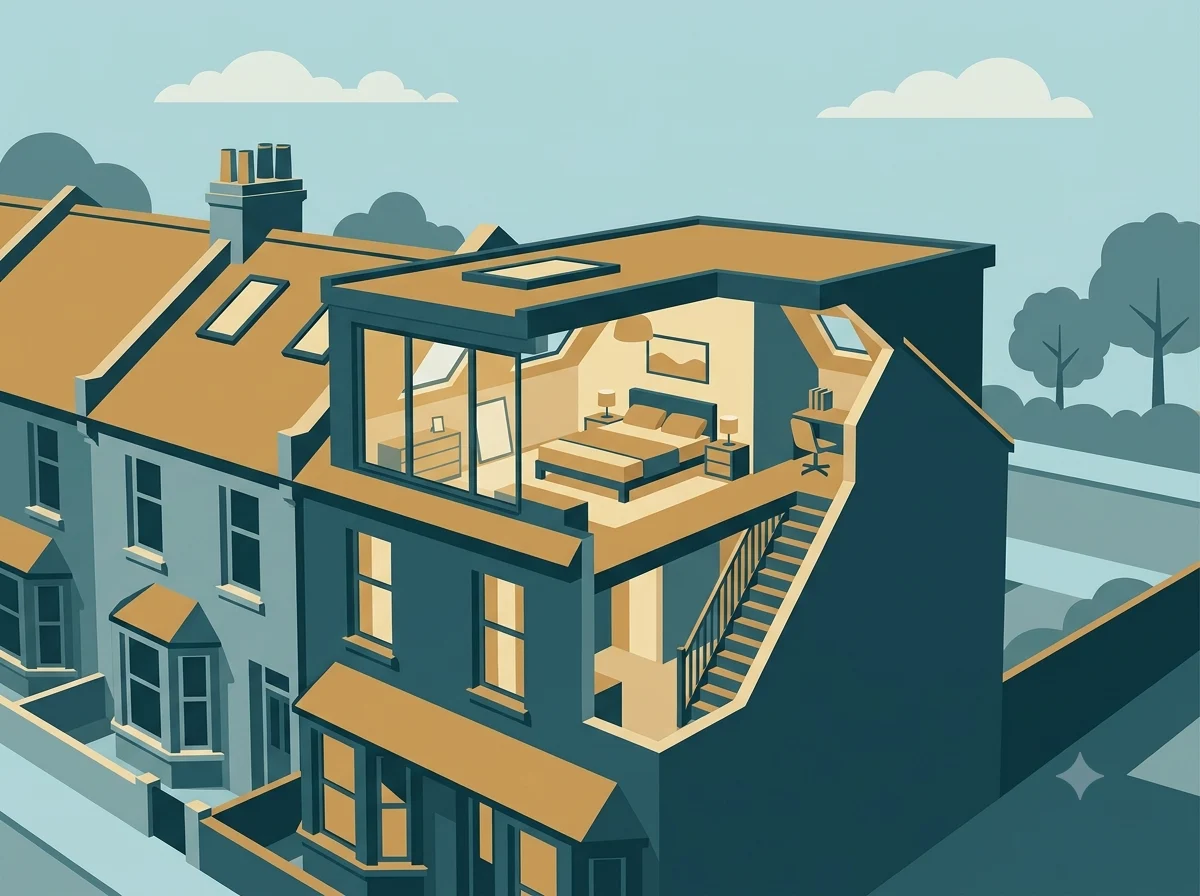
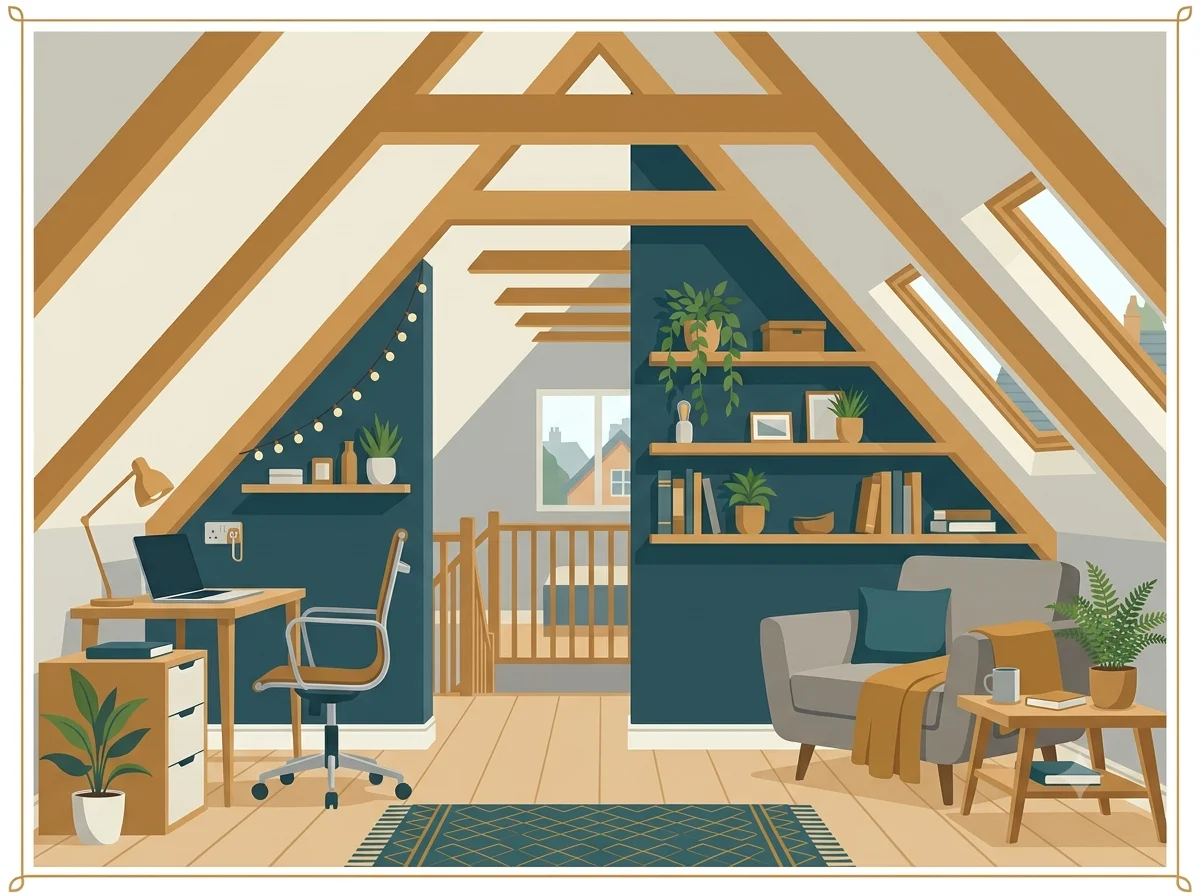
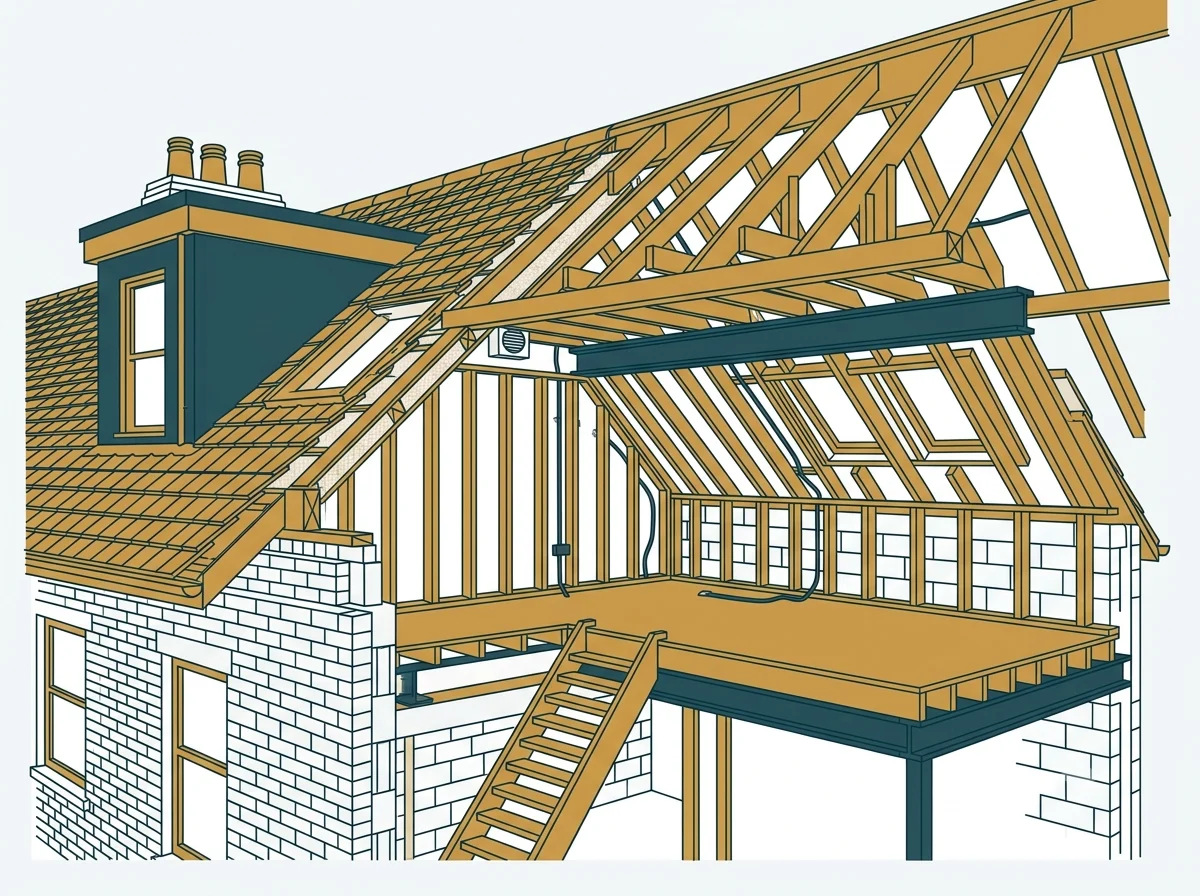
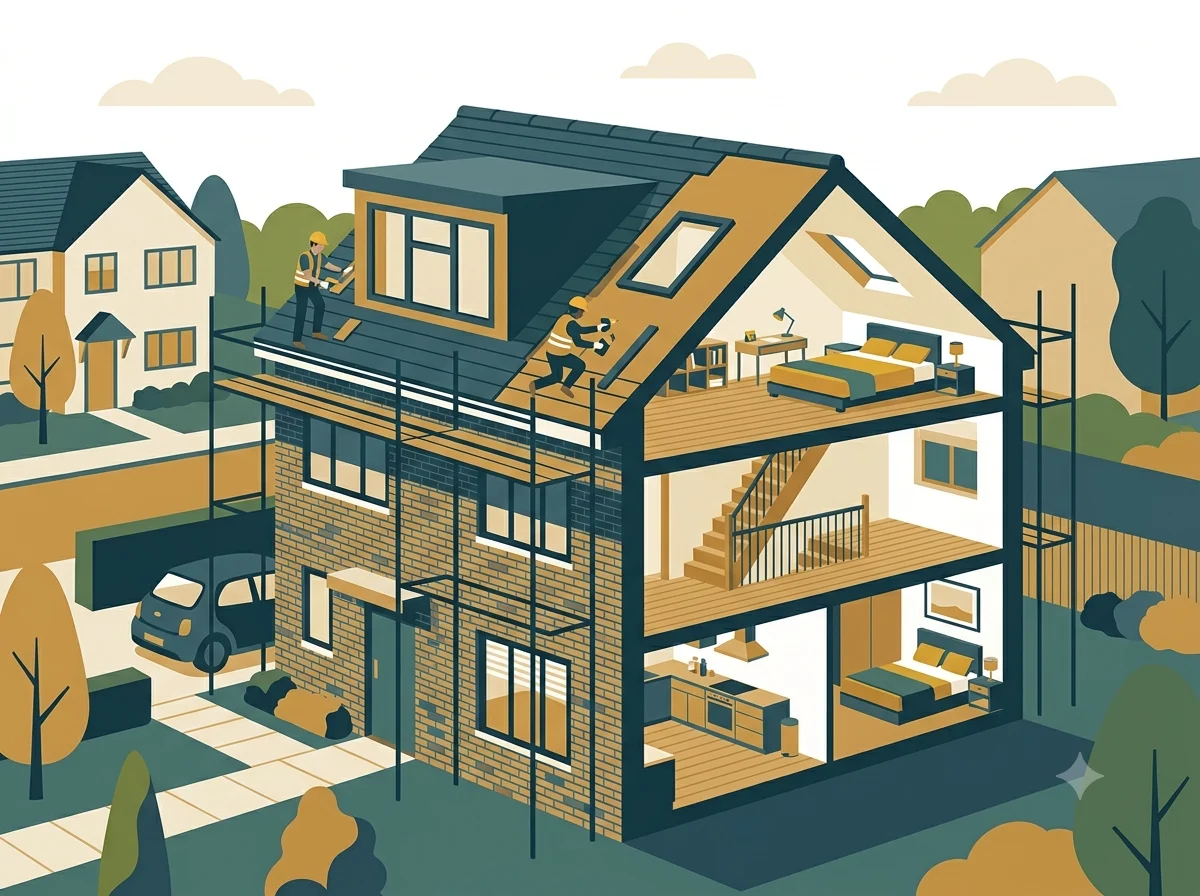
Whatever type of loft you have, there is a conversion to suit it. From dormer and mansard builds to bungalows and tricky low pitch roofs, LoftBuddy matches you with specialists experienced in your exact type of project.
Near by Areas we operate
Frequently asked questions (FAQ)
Do I need full planning permission for a loft conversion in Mill Hill?
On many NW7 streets outside the Mill Hill conservation area, loft conversions can go ahead under permitted development if they stay within national limits on roof volume, height and design. In Mill Hill Village and other parts of the Mill Hill conservation area, Article 4 directions remove permitted development rights, so most loft conversions and roof changes need a full planning application to Barnet Council.
How does the Mill Hill conservation area affect loft designs?
The Mill Hill conservation area covers around 152 hectares along The Ridgeway and surrounding lanes, with green belt land and a strong village character. Article 4 directions there allow Barnet to control minor works, including roofing materials and dormer shapes, so loft designs must preserve or enhance the special character of the area, often meaning more modest dormers, high quality materials and careful detailing
Are hip to gable lofts common in Mill Hill?
Planning data and recent approvals show that hip to gable roof extensions with rear dormers are a popular choice on Mill Hill semis and detached houses, especially outside the strictest parts of the conservation area. These schemes turn the hip into a full gable and add a dormer at the rear, creating a double bedroom and en suite and are often treated as permitted development where rights remain, though they still need careful design and sometimes planning approval
How much does a loft conversion in Mill Hill usually cost?
Most loft conversions in Mill Hill fall between £25,000 and £60,000, depending on whether you go for a roof light conversion or a rear dormer. Hip to gable, which suits the interwar semis around Mill Hill Broadway and Mill Hill East, runs £50,000 to £75,000 on its own, or £65,000 to £90,000 combined with a dormer. A mansard is the most expensive at £60,000 to £95,000. If your home is inside the conservation area, budget more for the extra design work and the planning application. A survey is the only way to get a real figure for your own house.