
Loft Conversions in Cricklewood
Cricklewood City Information
Cricklewood grew up around the old Edgware Road, at a spot that has been recorded under some version of its name since the 1200s. These days it is best known as a busy junction of North West London, split between Barnet and Brent, with the Broadway acting as the informal line between the two. The area took shape properly in Victorian and Edwardian times, when the railway arrived and rows of terraced housing were built for workers and their families. That history is still visible today in two conservation areas, the Railway Terraces close to the station and the grand Edwardian streets of the Mapesbury estate a short walk to the west. Cricklewood railway station connects residents into central London on the Thameslink line, and buses run along the Broadway at almost all hours. Housing here is a genuine mix. You will find small Victorian terraces backing onto the railway, wide tree lined Edwardian roads in Mapesbury, and blocks of flats built more recently as the area has changed. Many families are drawn to Cricklewood because it sits close to Hampstead and Golders Green without the price tag, and because there is still room in most lofts and roof spaces to add a proper extra bedroom or bathroom.
The boundary between Barnet and Brent runs along Watling Street, the old Edgware Road that is now Cricklewood Broadway. That line is not a modern invention. It separated the ancient parish of Hendon on the east, which became Barnet, from the ancient parish of Willesden on the west, which became Brent. Cricklewood sits mainly in the NW2 postcode district, with part of it running into NW6.
Cost Range
- Loft conversion costs in Cricklewood run above the national average, as they do across Barnet and Brent. Expect £1,500 to £2,500 per square metre for a good standard of finish.
- The type of conversion your roof will take is what moves the price most.
- A roof light or Velux conversion is the cheapest at around £25,000 to £40,000, because the shape of the roof does not change.
- A rear dormer usually falls between £40,000 and £60,000. On the Victorian terraced cottages near the station this is normally the only option, since a terrace has no hipped end to straighten.
- Hip to gable works on the interwar housing, where the roof slopes inwards on all four sides. On its own it runs £50,000 to £75,000, or £65,000 to £90,000 combined with a rear dormer in the same job.
- A mansard costs the most at £60,000 to £95,000, and it comes up often on the taller Edwardian houses around Mapesbury, where a low rear roof leaves very little head height.
- Which side of the Broadway you live on changes the job as much as the house does. Inside the Railway Terraces or Mapesbury conservation areas the Article 4 controls mean a full application rather than permitted development, and in Mapesbury front dormers and front facing roof lights are not normally accepted at all. Budget for the extra drawings and the application fee, and allow longer before anyone can start.
- These are guide figures and not a quote. Roof size, access and the state of the existing structure all change the final number.
Planning Notes
Most homeowners in Cricklewood start from the same national rules on permitted development. Under these rules, a terraced house can usually add up to 40 cubic metres of extra roof space without needing full planning permission, while a semi detached or detached house can add up to 50 cubic metres. The new roof cannot be higher than the existing ridge, materials generally need to match the rest of the house, and any windows in a side wall must be obscure glazed. That is the general position, but Cricklewood has two areas where it does not apply in full.
If your house sits in the Railway Terraces conservation area in Barnet, or in the Mapesbury conservation area in Brent, extra planning controls kick in. Barnet’s planning pages confirm that some conservation areas across the borough carry an Article 4 Direction, which removes certain permitted development rights so that a full application is needed instead. Brent’s own guidance for Mapesbury says the same thing, and it also warns that front dormers and front facing roof lights are not normally welcomed there at all, because the original Edwardian roofline was never designed with them.
Outside these two conservation areas, most straightforward rear dormer or hip to gable loft conversions in Cricklewood can still go ahead under permitted development, subject to the volume and height limits above. Anyone unsure which side of the Broadway they fall on, or whether their street sits inside a conservation area, should check with the relevant council’s planning department before ordering materials or booking a builder.
Article Notes
Article 4 controls in Cricklewood are not borough wide, they are tied to specific conservation areas. On the Barnet side, the Railway Terraces conservation area near the station was designated in March 1998 and forms one of Barnet's 16 conservation areas, several of which carry Article 4 Directions that remove some permitted development rights. On the Brent side, the Mapesbury conservation area has long carried an Article 4 Direction covering front elevations, and in May 2024 Brent Council extended the Mapesbury conservation area boundary to take in more of Chichele Road and the streets around Cricklewood Broadway, bringing fresh Article 4 controls with it. Brent's own conservation guidance for Mapesbury is also clear that front dormers and front roof lights are generally resisted, because the Edwardian roofline was not built with them in mind, and any replacement of an original dormer has to match the existing design. Barnet also runs a borough wide Article 4 Direction covering the change of a house into a small House in Multiple Occupation, which is a separate matter from loft conversions but worth knowing if you are converting a property that is let out. If your house sits inside either conservation area, budget extra time for a full planning application rather than assuming permitted development will cover the work.
Types of Houses in Cricklewood
Cricklewood's housing tells the story of how the area grew. Closest to the station, in the Railway Terraces conservation area, you find rows of Victorian terraced cottages built for railway workers, around 180 houses along with some converted flats. A short walk west, the Mapesbury estate is a different world, wide tree lined streets of substantial Edwardian townhouses built mainly between 1895 and 1905, with red brick, bay windows and terracotta detailing that has survived largely unaltered. Further out from these two conservation areas, Cricklewood has a broader mix of early twentieth century terraces, some interwar housing, and purpose built blocks of flats that have gone up along the Broadway and around the station over the years as the area has been redeveloped. This mix means loft conversion work in Cricklewood ranges from small terraced roof spaces to the much larger lofts found in the Mapesbury townhouses.
Highlights
- Cricklewood station, on the Thameslink line, about 10 minutes from St Pancras
- Willesden Green and Kilburn stations nearby, both on the Jubilee line in zone 2
- Cricklewood Broadway, part of the old Edgware Road running down to Marble Arch
- The Crown Hotel, a Grade II listed Victorian terracotta building designed by Shoebridge and Rising in 1899 and restored in 2003
- Gladstone Park, 35 hectares on the western edge, with formal gardens, a playground, an art gallery and sports facilities
- The Railway Terraces, listed railway cottages built after 1881, designated a conservation area in March 1998
- The Mapesbury conservation area, wide tree lined streets of Edwardian townhouses built mainly between 1895 and 1905, extended in May 2024 to take in more of Chichele Road
- The Handley Page aircraft works, which ran from 1912 to 1917 at 110 Cricklewood Lane
- Cricklewood Aerodrome, where the first London to Paris air service started in the 1920s
- Smiths Industries, established in 1915, which employed 8,000 people between 1937 and 1978
- The Smith’s Crisps factory at Crown Yard
- The Cricklewood bus garage, rebuilt in 2010
- Brent Cross Town and the new Brent Cross West station
- The Brent Cross Cricklewood regeneration, a £4.5 billion scheme approved in October 2010
- The long standing Irish community
- Cricklewood Library
- The NW2 postcode, with part of the area running into NW6
Loft Conversion Type We Offer in Cricklewood
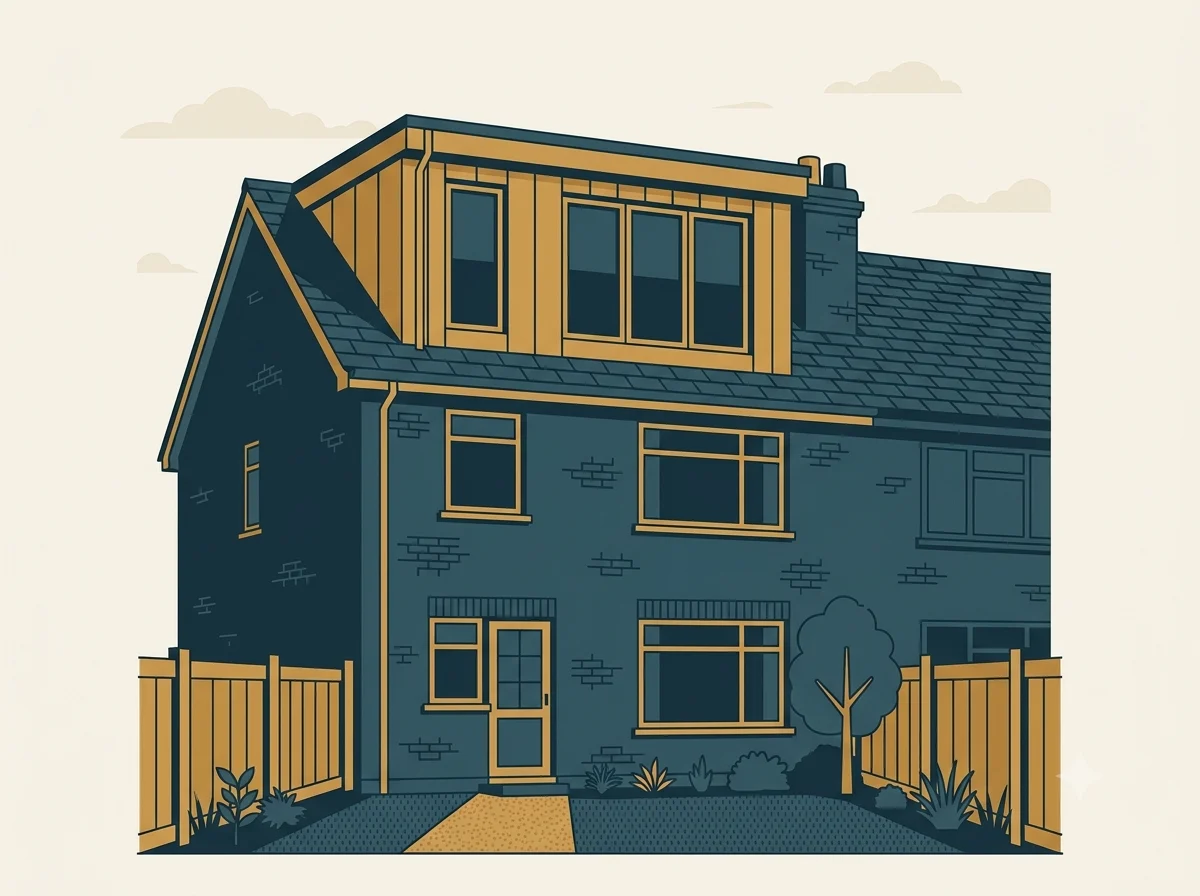
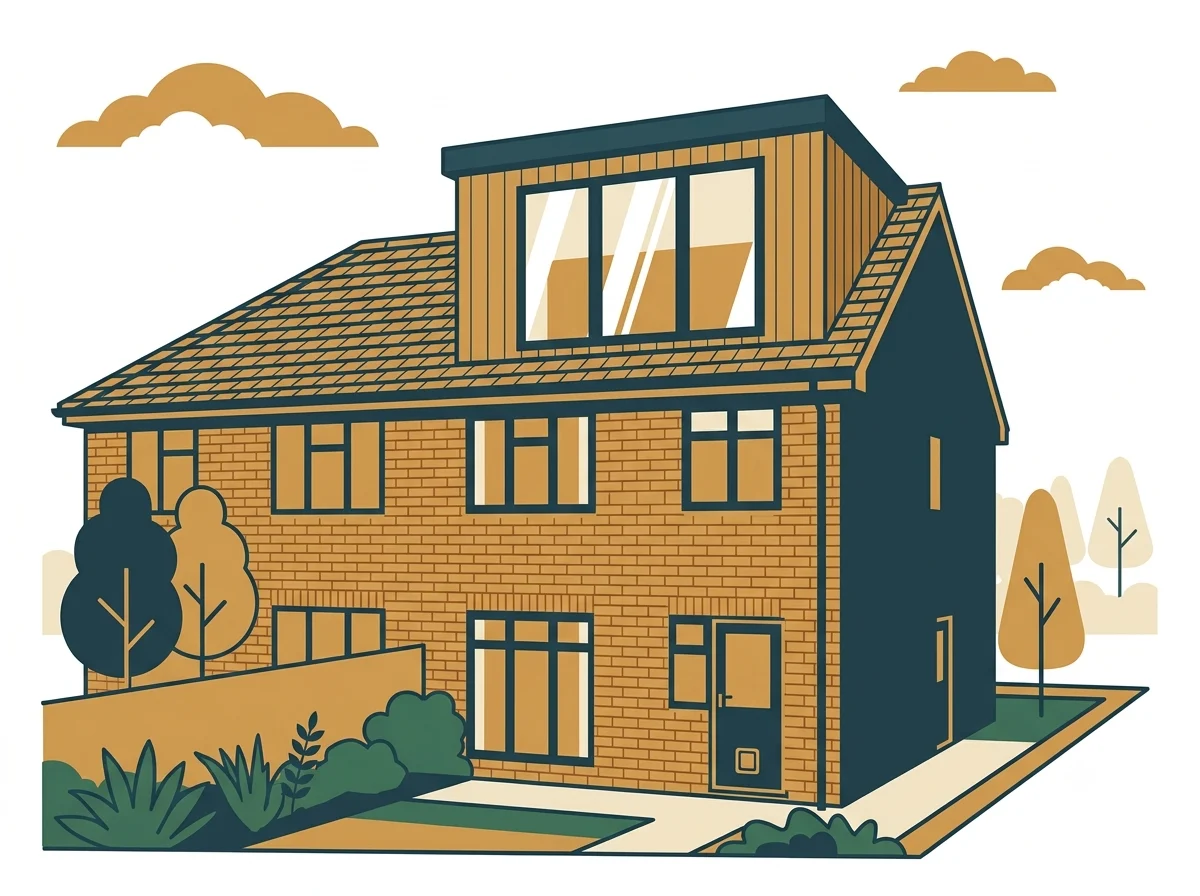
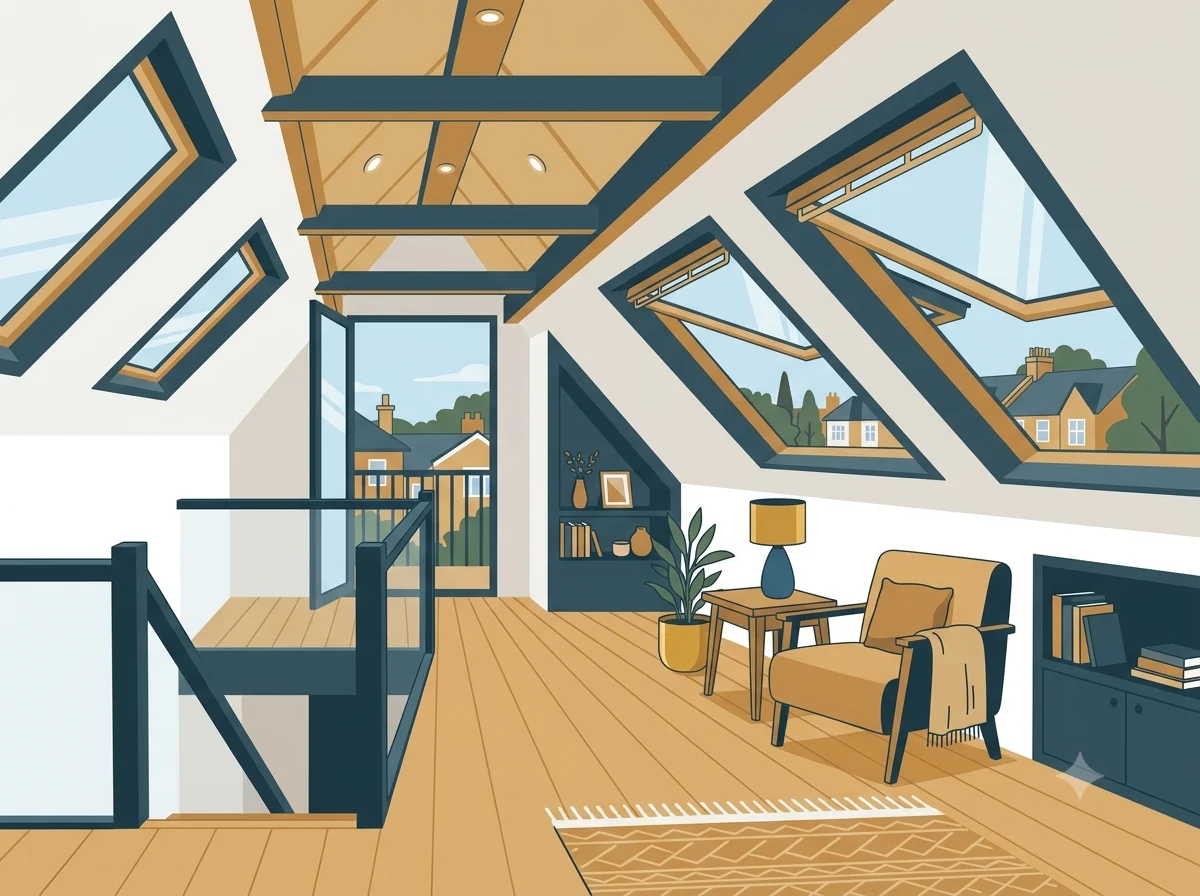
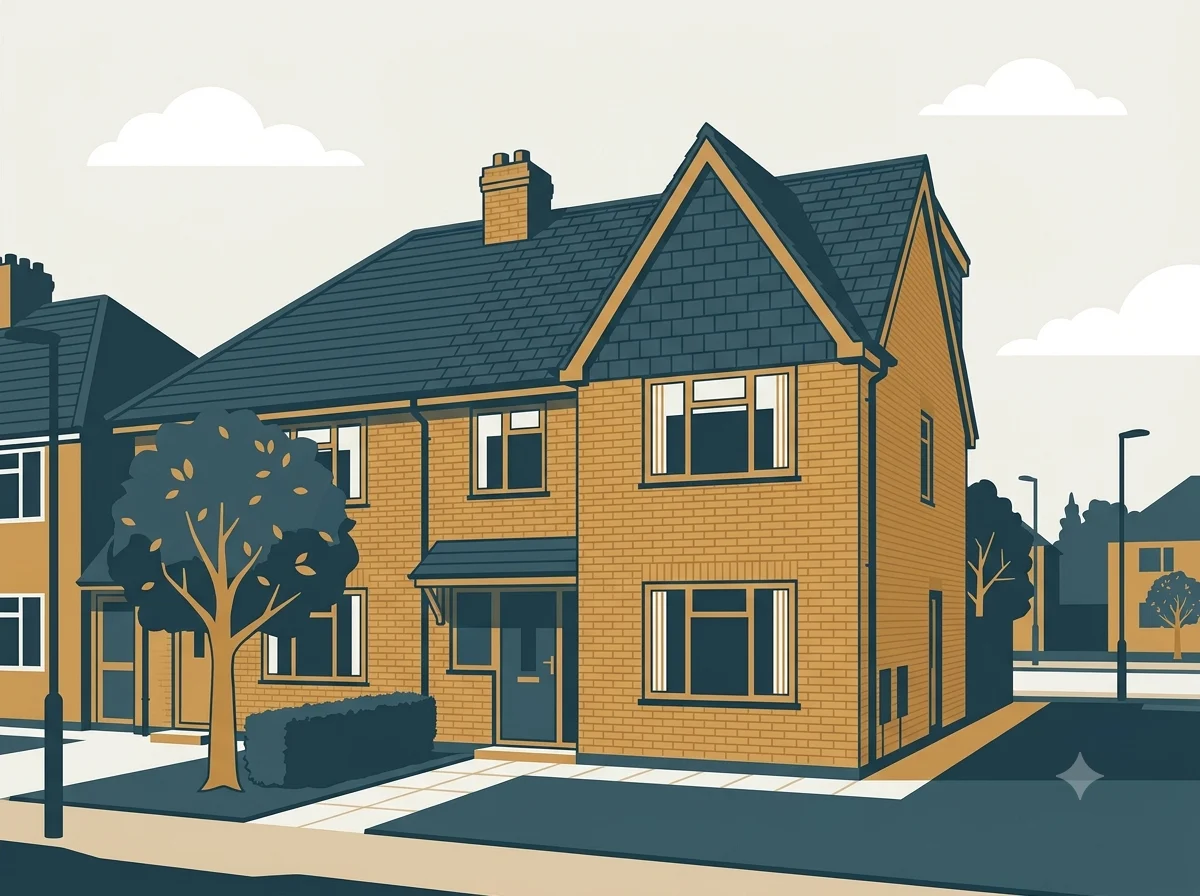
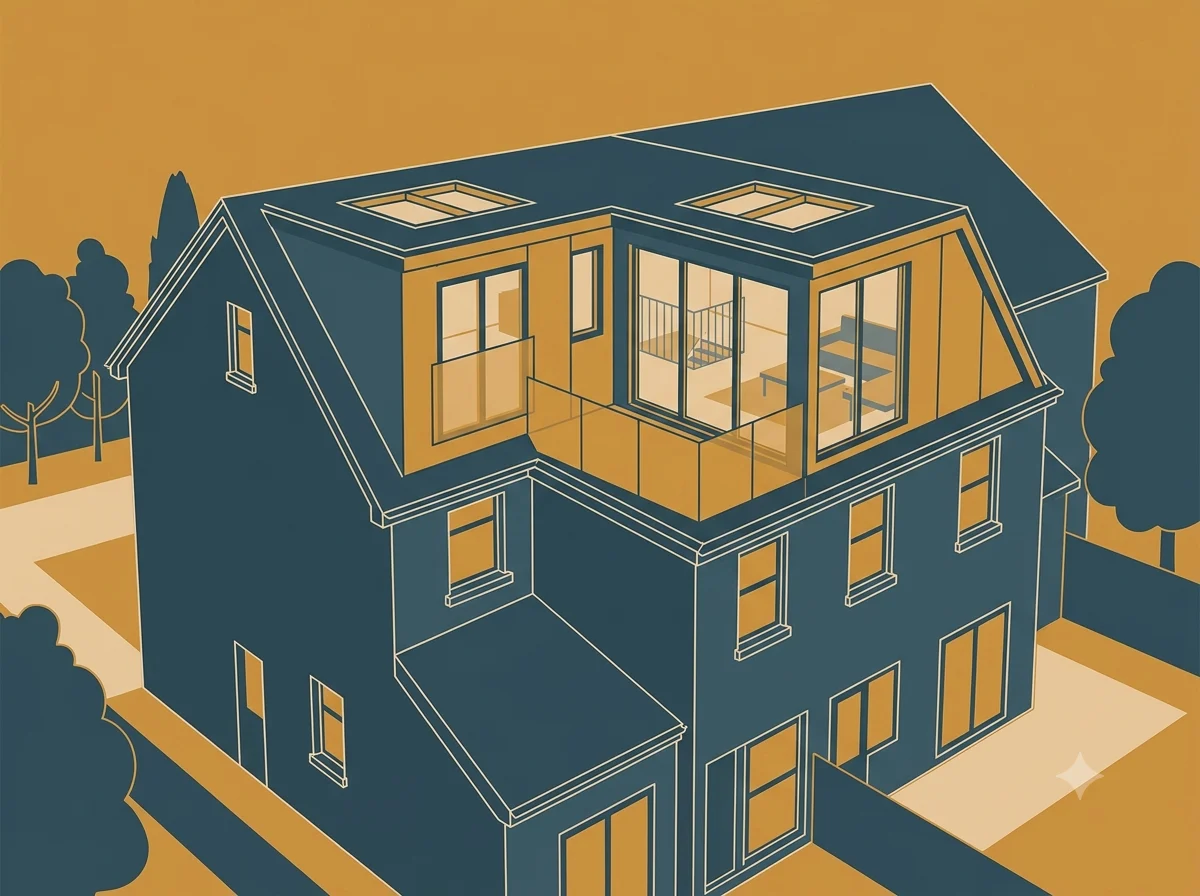
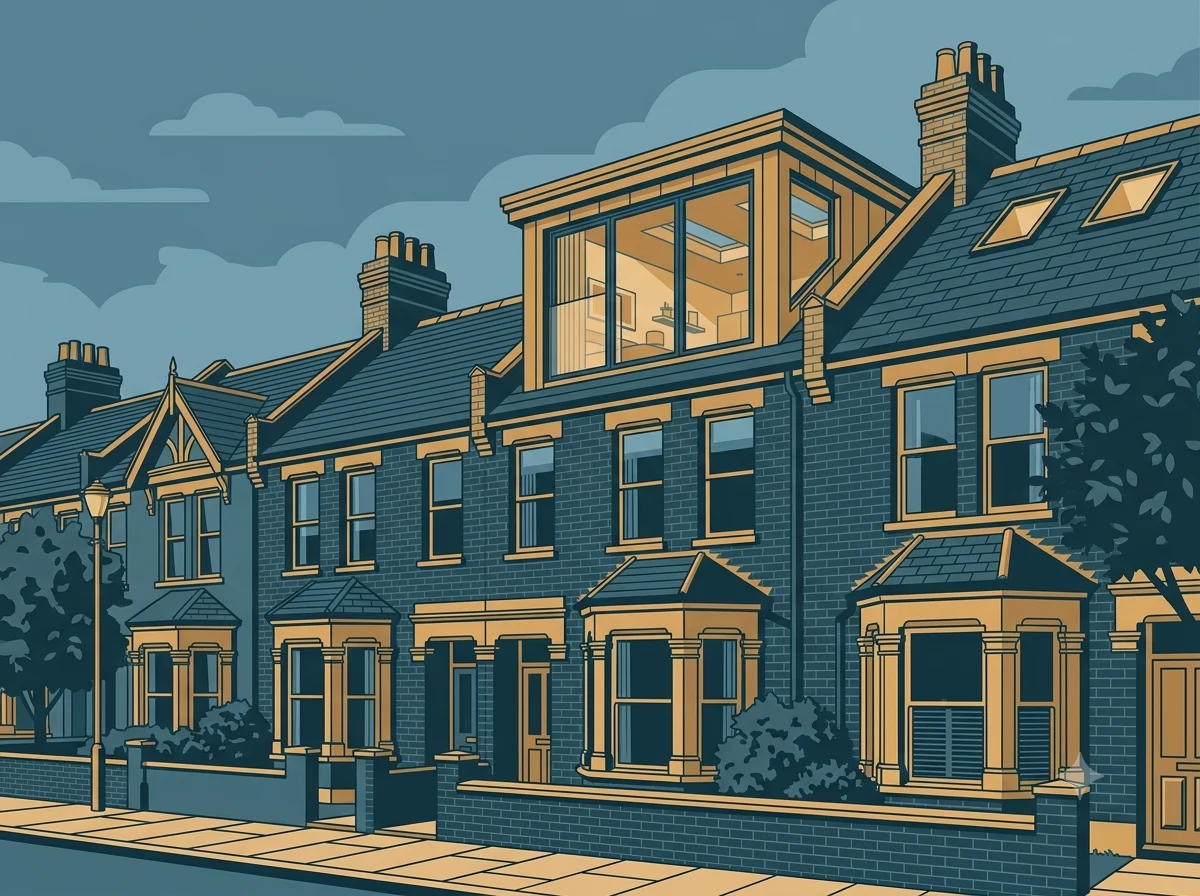
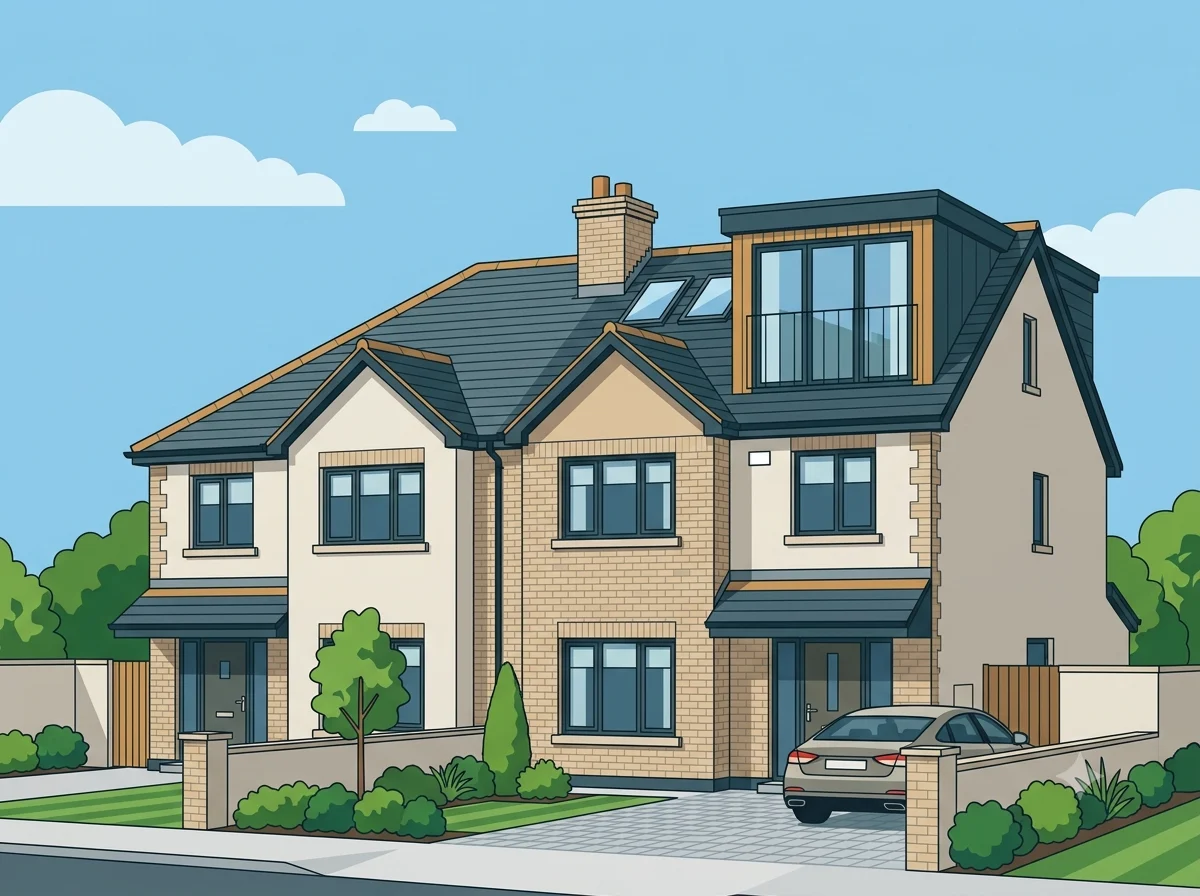
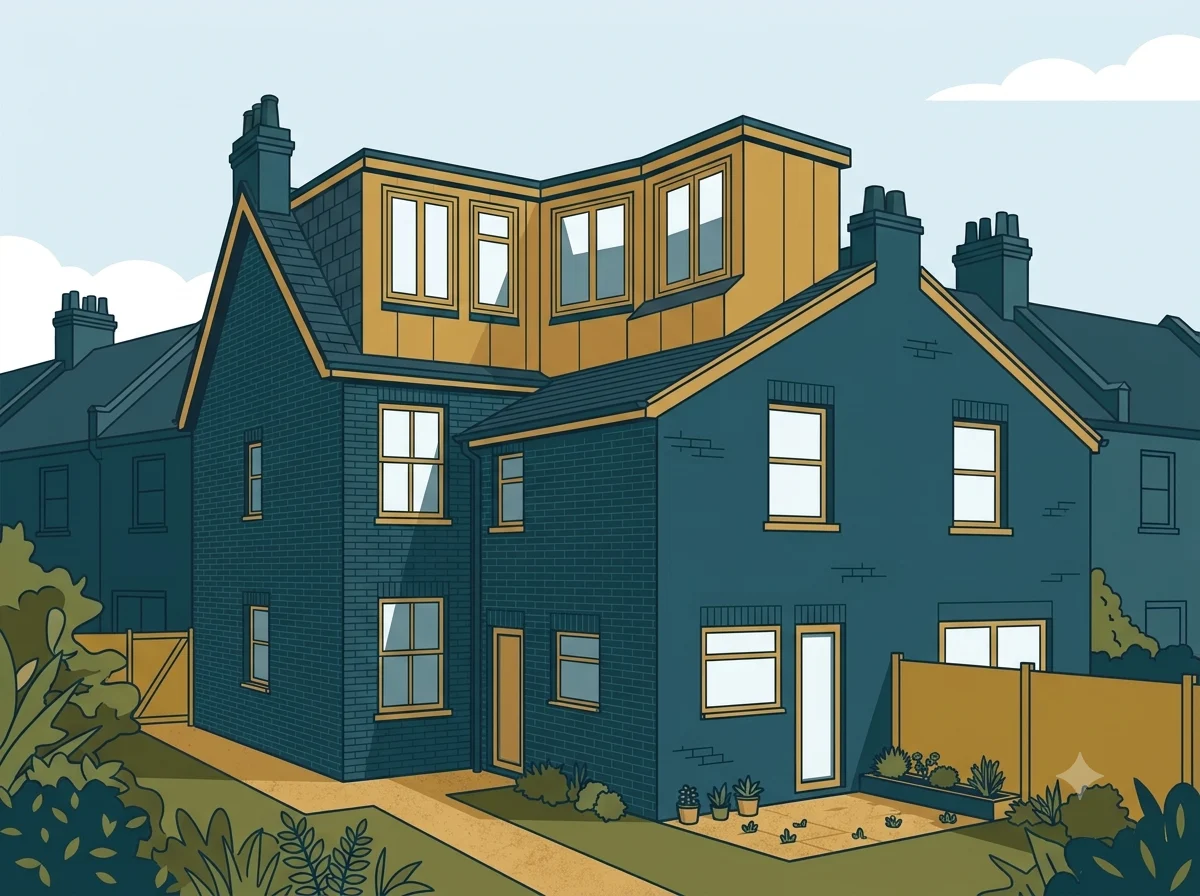
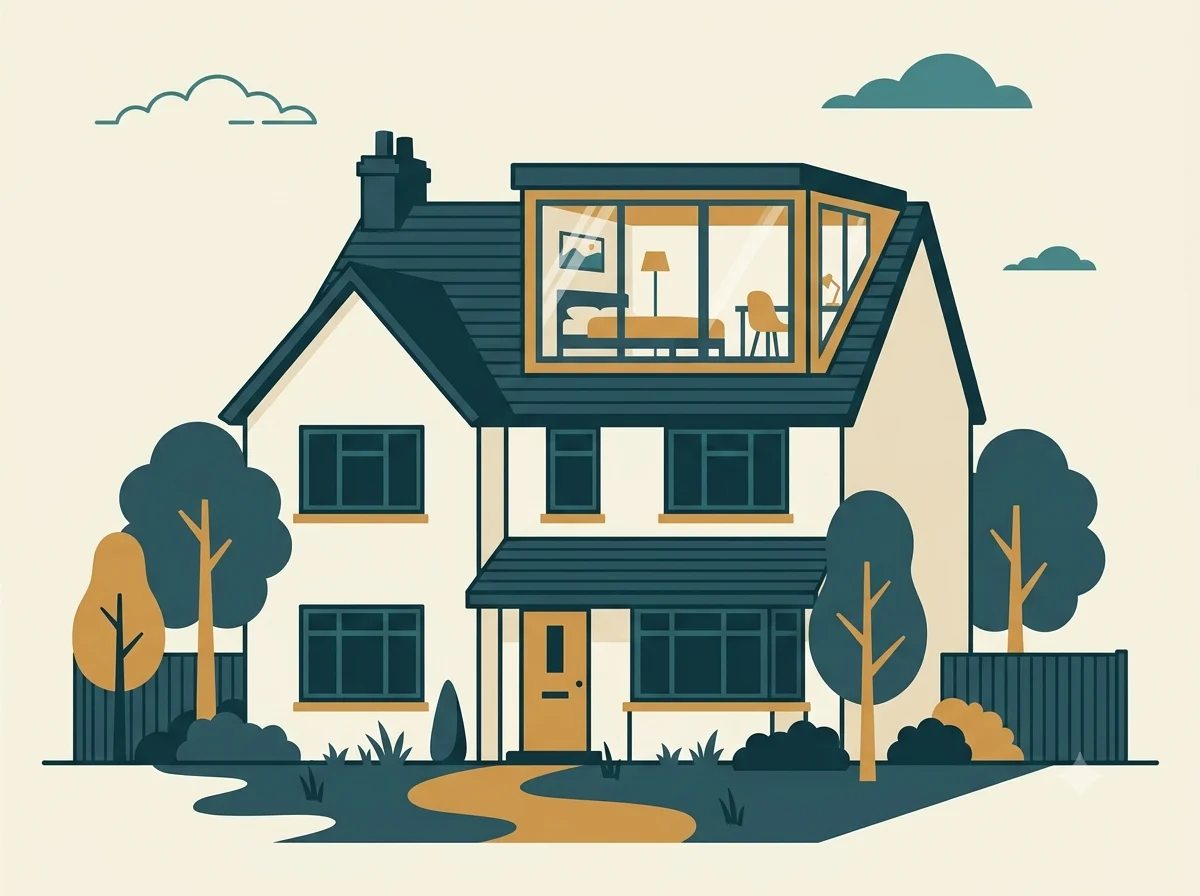
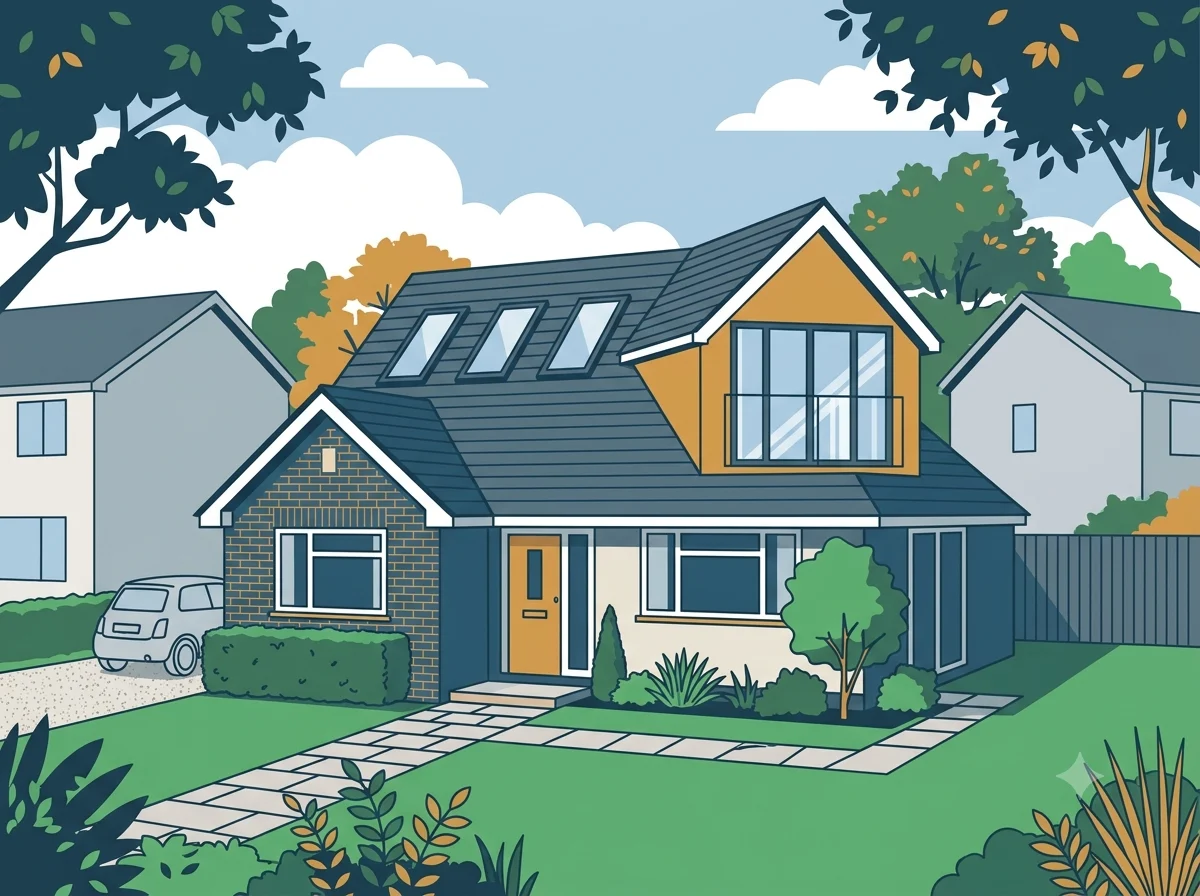
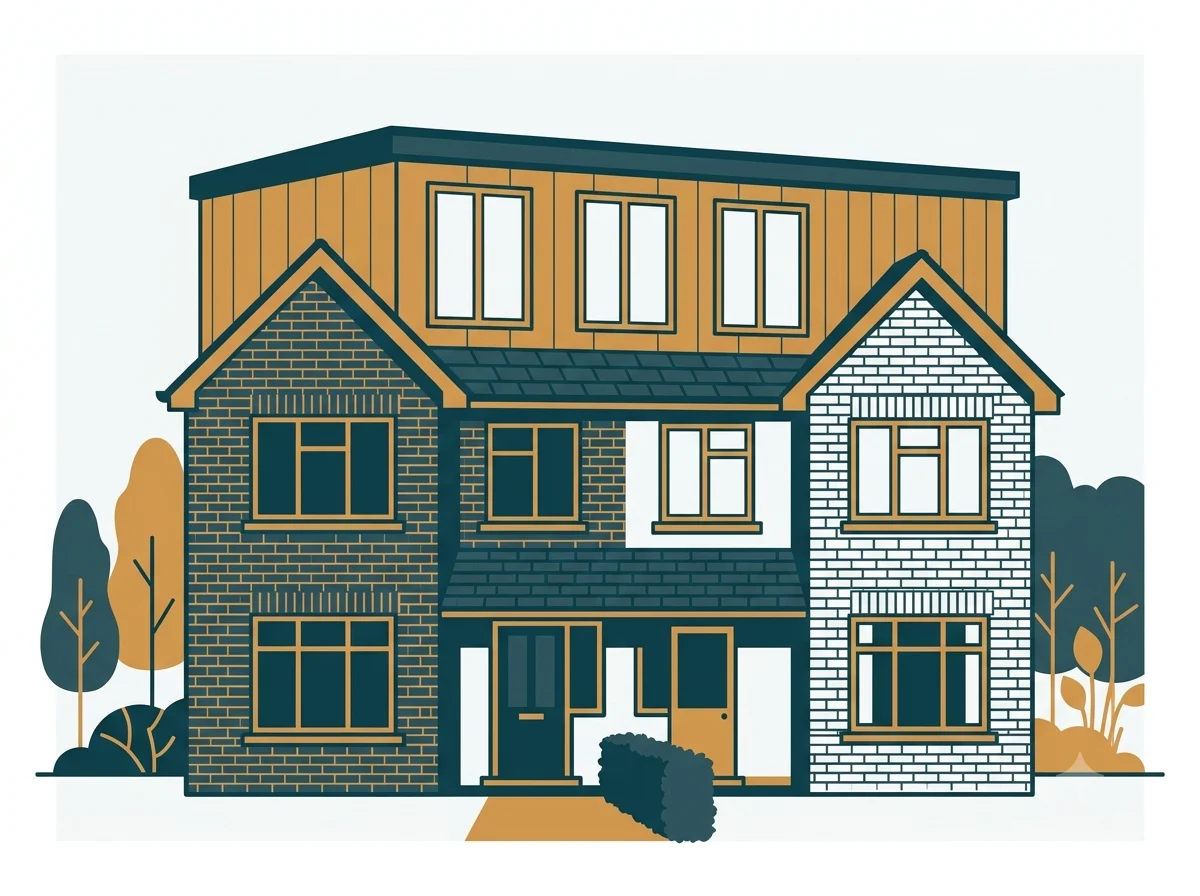
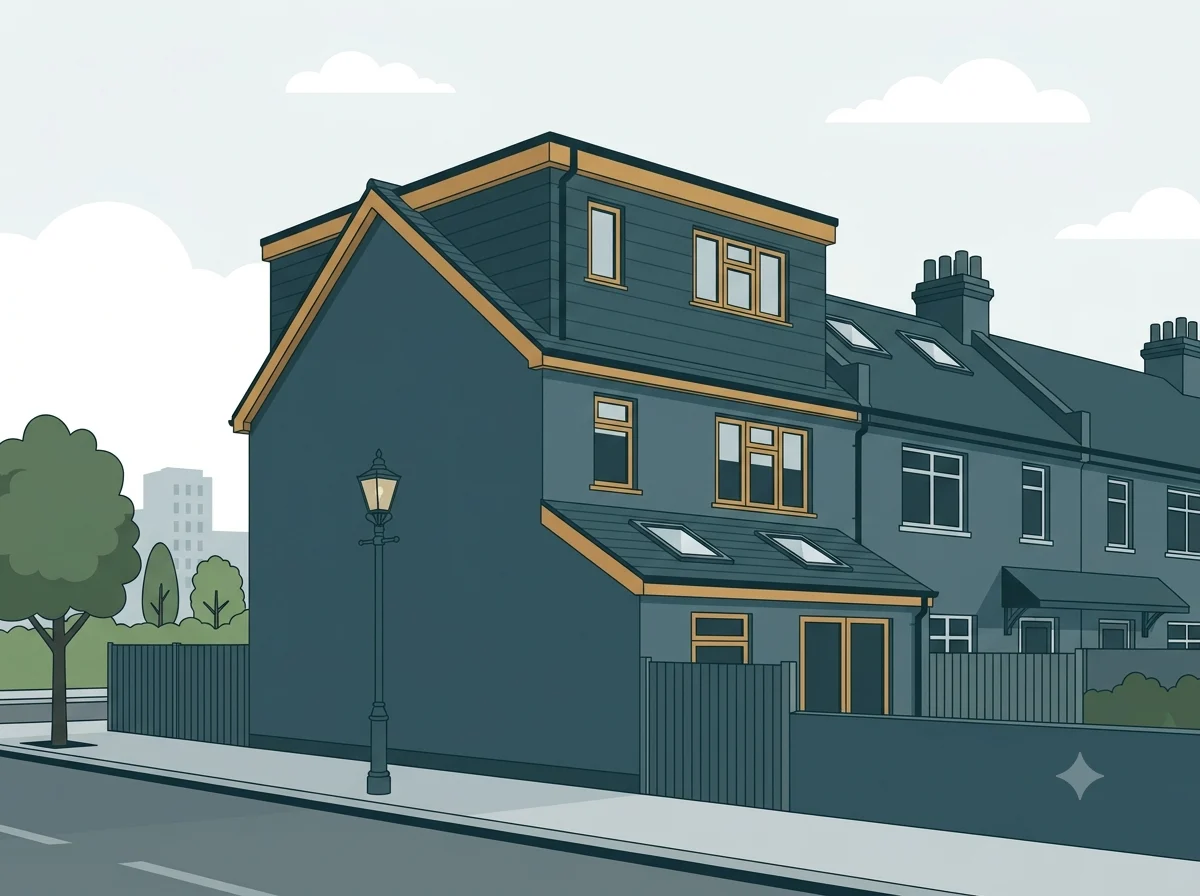
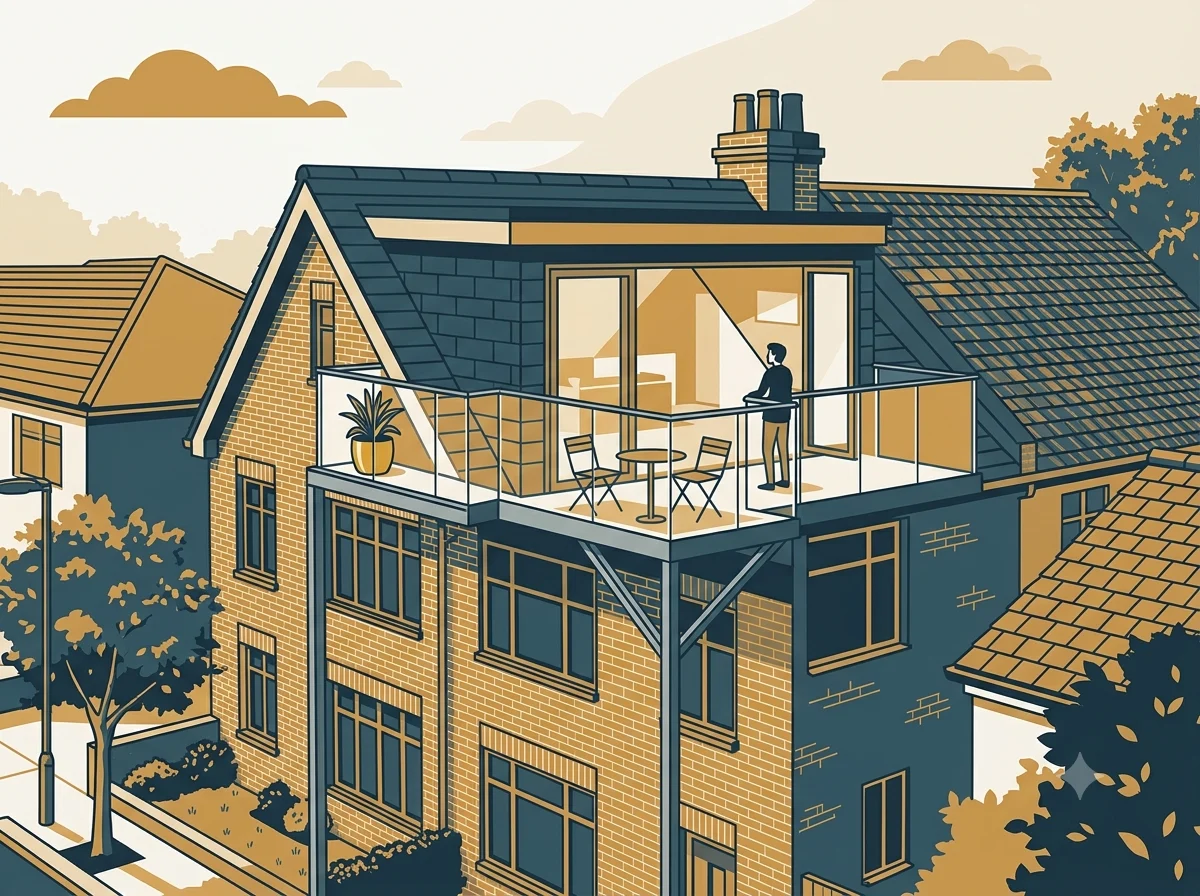
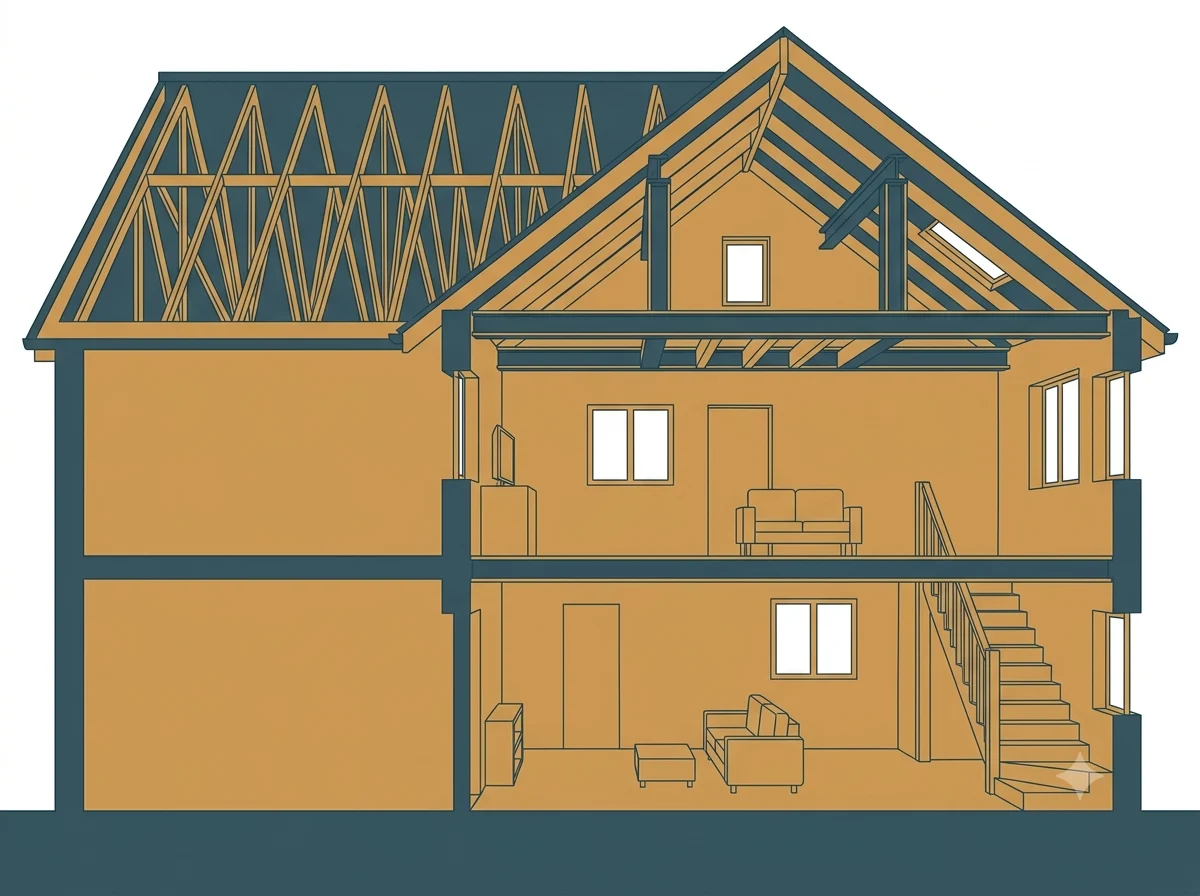
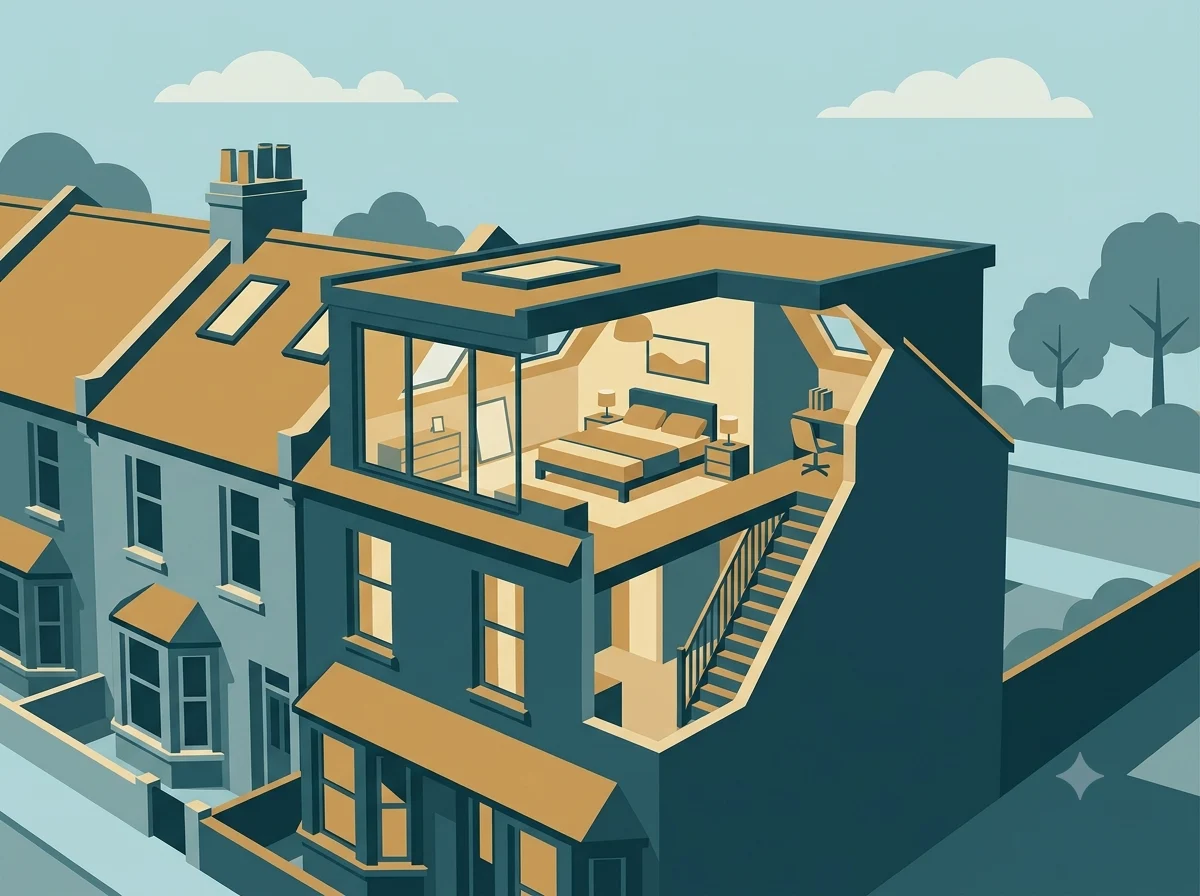
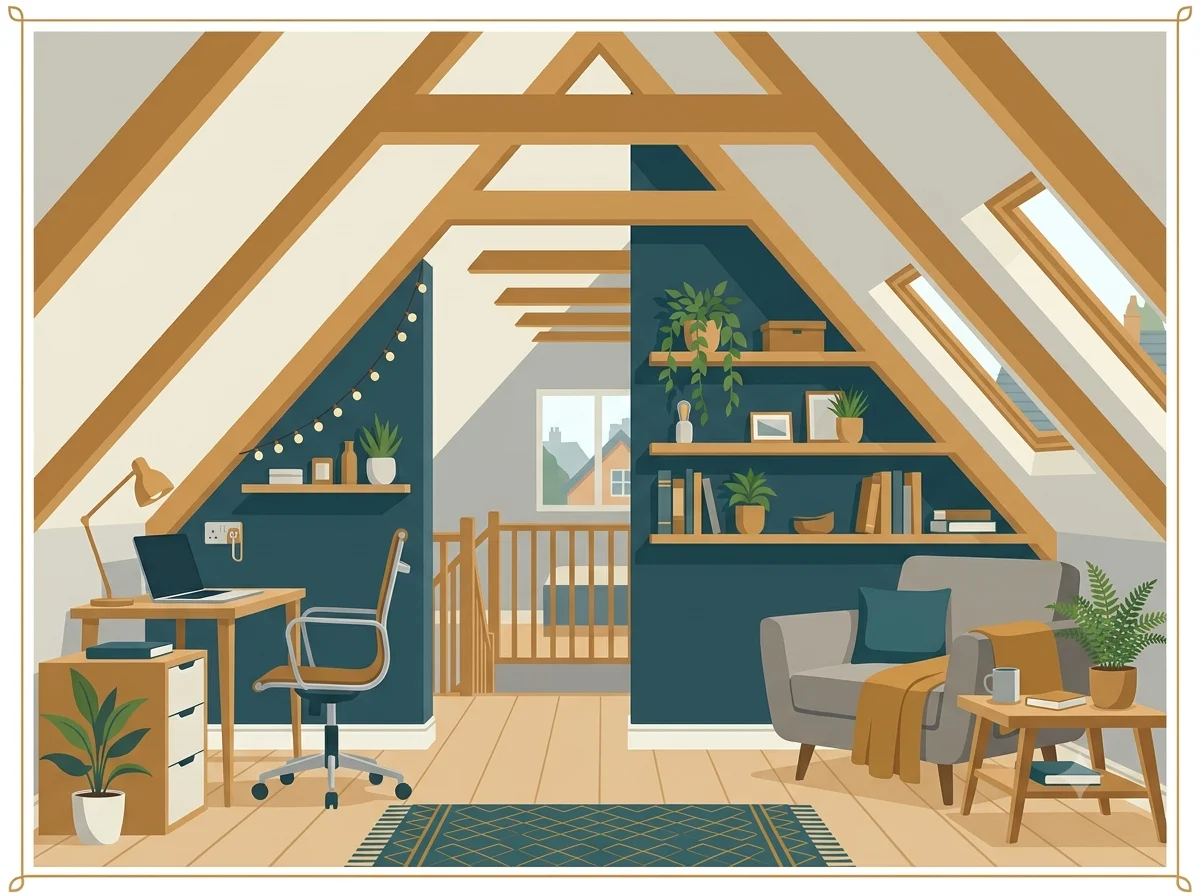
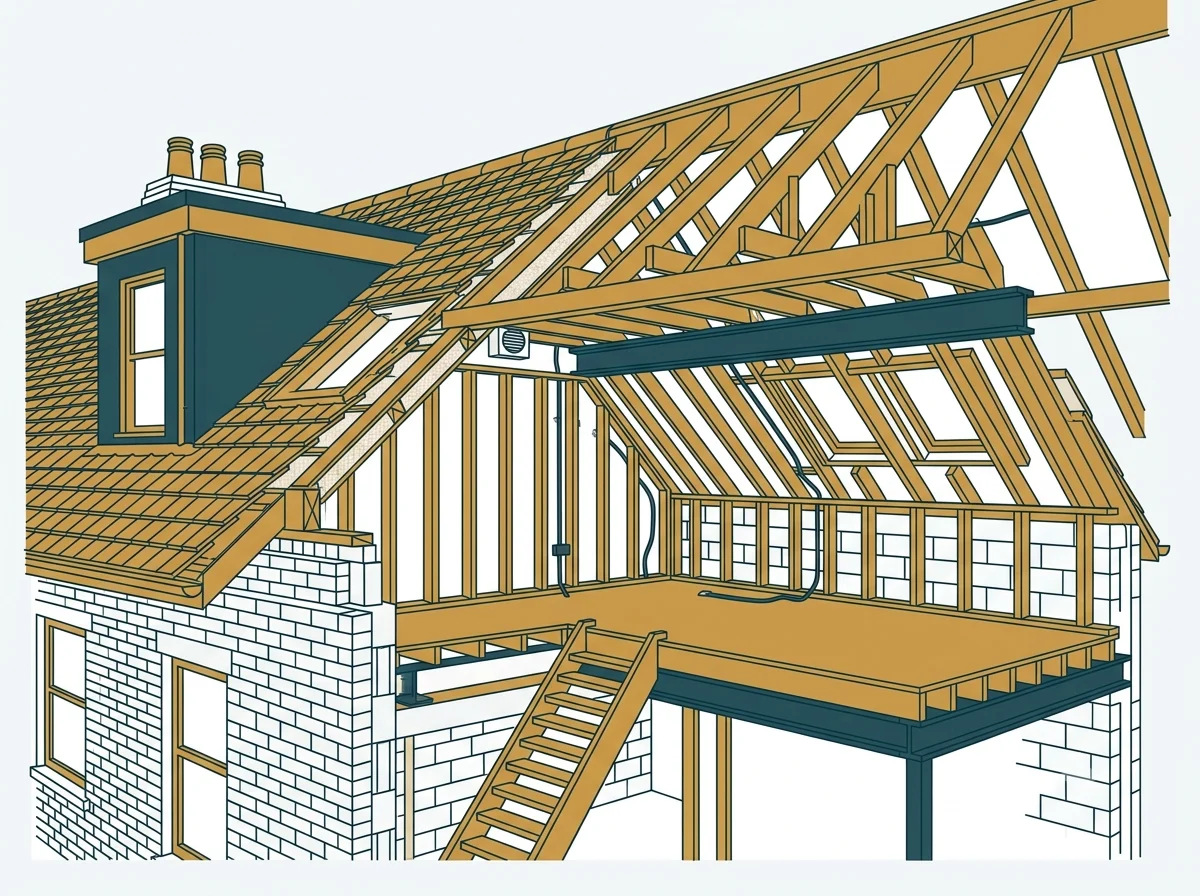
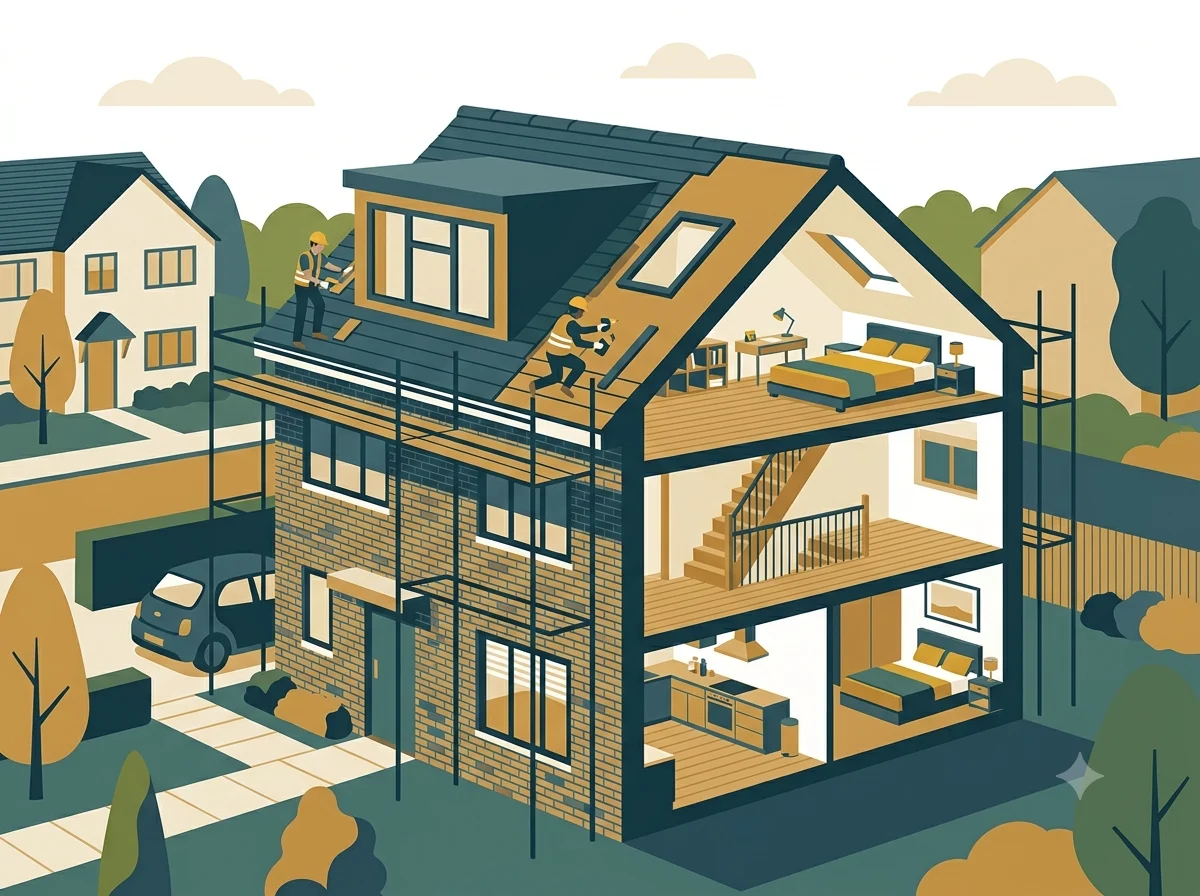
Whatever type of loft you have, there is a conversion to suit it. From dormer and mansard builds to bungalows and tricky low pitch roofs, LoftBuddy matches you with specialists experienced in your exact type of project.
Near by Areas we operate
Frequently asked questions (FAQ)
Do I need planning permission for a loft conversion in Cricklewood?
It depends where your house sits. Outside the two conservation areas, most loft conversions in Cricklewood can go ahead under permitted development rules, provided they stay within the usual volume and height limits. Inside the Railway Terraces or Mapesbury conservation areas, an Article 4 Direction removes some of those rights, so a full application to Barnet or Brent Council is usually needed instead.
Which council do I apply to for a loft conversion in Cricklewood?
Cricklewood sits across two councils. If your house is on the Barnet side, near the Railway Terraces or the eastern part of the Broadway, you apply to Barnet Council. If you are on the Brent side, around Mapesbury or Chichele Road, you apply to Brent Council instead.
Can I add a front dormer to my house in Cricklewood?
In the Mapesbury conservation area, front dormers and front facing roof lights are generally not allowed, because the original Edwardian roofline in this part of Cricklewood was never designed with them. Rear dormers are usually a more realistic option here, and any existing front dormer must be replaced to match its original design.
How much does a loft conversion cost in Cricklewood?
Most loft conversions in Cricklewood fall between £25,000 and £60,000, depending on whether you go for a roof light conversion or a rear dormer. Hip to gable on the interwar housing runs £50,000 to £75,000 on its own, or £65,000 to £90,000 combined with a dormer. A mansard on one of the taller Edwardian houses around Mapesbury is the most expensive at £60,000 to £95,000. A survey is the only way to get a real figure for your own house.
Are there conservation areas I need to know about in Cricklewood?
Yes. Cricklewood has two, the Railway Terraces conservation area near the station in Barnet, and the Mapesbury conservation area to the west in Brent, which was extended further in 2024. Both carry extra planning controls on top of the usual national rules.