
Loft Conversions in Burnt Oak
City/Town Name: Burnt Oak
Borough Name: Barnet
Area: 0.8 Sq Miles
Population: 20000
City Information
Burnt Oak is a suburban neighbourhood on the western edge of the London Borough of Barnet, between Edgware and Colindale. The area grew quickly after Burnt Oak Underground Station opened on the Northern line in 1924, when the London County Council built the Watling Estate to house working families moving out from inner London. Watling Estate now forms much of the core of Burnt Oak, with red brick family houses and local green spaces that give the area a strong community feel. Burnt Oak Broadway is the busy high street, known for its multicultural shops, markets and food, with a mix of Eastern European, Asian and Mediterranean businesses that reflect the diverse local population. The town centre crosses three boroughs Barnet, Brent and Harrow, but many residential streets and local parks such as Watling Park and Silkstream Park sit firmly on the Barnet side, where your loft customers live.
Planning Notes
Burnt Oak is covered by the Planning Service within Planning and Building Control at the London Borough of Barnet. For houses on the Barnet side of Burnt Oak, most loft conversions can go ahead under national permitted development rights, as long as the scheme stays within the usual volume and design limits. Terraced houses can normally add up to 40 cubic metres of roof space and semi detached or detached houses up to 50 cubic metres, with the new roof kept below the existing ridge line and dormers set back from the eaves. Materials should be similar to the existing house and new side windows must be obscure glazed and non opening below 1.7 metres above the floor. Building regulations approval is always required and Barnet encourages homeowners to seek a Lawful Development Certificate for permitted development lofts. Burnt Oak town centre crosses into Brent and Harrow, and parts of the wider HA8 area sit inside mapped conservation areas or Article 4 geometry, so it is important to check whether a particular street is on the Barnet side, where many roof extensions remain permitted development, or on a neighbouring borough street where conservation area rules and Article 4 directions may mean a full planning application.
Article Notes
Barnet Council has a borough wide Article 4 Direction that means planning permission is required to change a family house into a small House in Multiple Occupation anywhere in Barnet, including Burnt Oak. In the HA8 postcode, which covers Edgware and Burnt Oak, planning data shows one mapped Article 4 area, Small Houses in Multiple Occupation Area 1, with its centre point inside HA8. These directions remove permitted development rights for that change of use, so landlords in Burnt Oak who want to convert a standard house into a small HMO must apply for planning permission rather than relying on national rules. For a typical homeowner loft conversion in Burnt Oak, the Article 4 directions do not normally stop roof enlargements, but they do form part of the wider planning picture and are worth checking when you look at any address in detail.
Types of Houses
Burnt Oak’s housing stock is shaped by the Watling Estate and interwar suburban growth. The London County Council built the Watling Estate in the 1920s and 1930s, with mainly low rise red brick family houses and some purpose built flats laid out along planned streets with local green spaces. Around the estate and along Burnt Oak Broadway there is a wider mix of 1920s and 1930s semis, terraces and small blocks, with later infill and conversions, which now give you a range of roof types to work with. Right to Buy and private development have added more privately owned houses and flats, but the basic fabric remains that of interwar suburban Barnet, with pitched roofs and back gardens that lend themselves well to rear dormer and hip to gable loft conversions. At the same time, higher density and some streets of flats mean that not every property in Burnt Oak is a simple loft job, so it is important to assess each building type and structure before you quote.
Highlights
Burnt Oak Underground Station on the Northern line gives direct access to central London, including Euston and Kings Cross St Pancras, and supports commuters who want an extra loft bedroom or office without moving house. Bus routes on Burnt Oak Broadway link the area with Edgware, Colindale, Brent Cross, Finchley and other parts of North London. Local health services include Edgware Community Hospital on Burnt Oak Broadway and nearby GP practices serving Barnet residents. Parks and open spaces such as Watling Park, Silkstream Park and Montrose Playing Fields provide playgrounds, walking routes and sports pitches for families in Burnt Oak. Community and leisure facilities include Burnt Oak Leisure Centre, Burnt Oak Library and local faith and community centres that host events and activities. Schools near Burnt Oak include Barnfield Primary, Goldbeaters Primary, Watling Park School and St James Catholic schools, which draw many of your family customers in this part of Barnet.
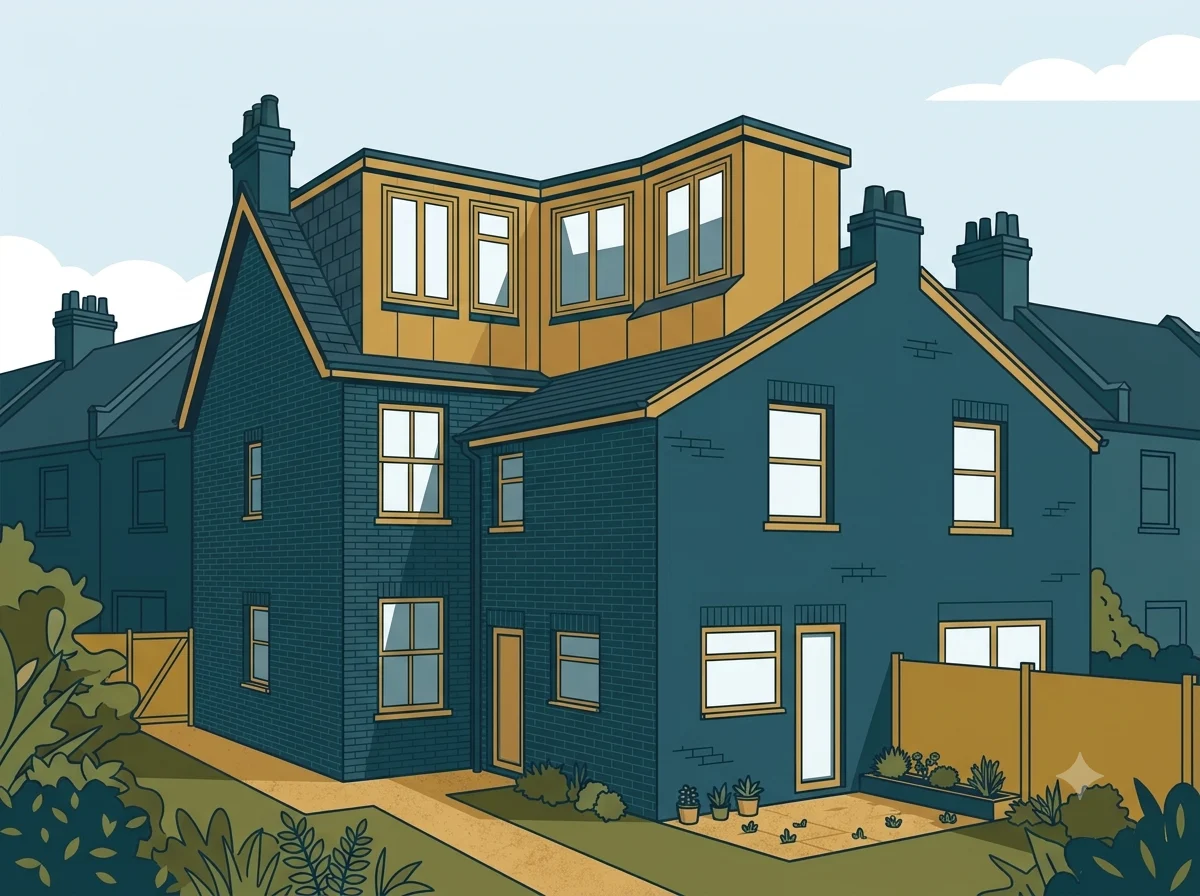
Mansard Loft Conversion in Burnt Oak
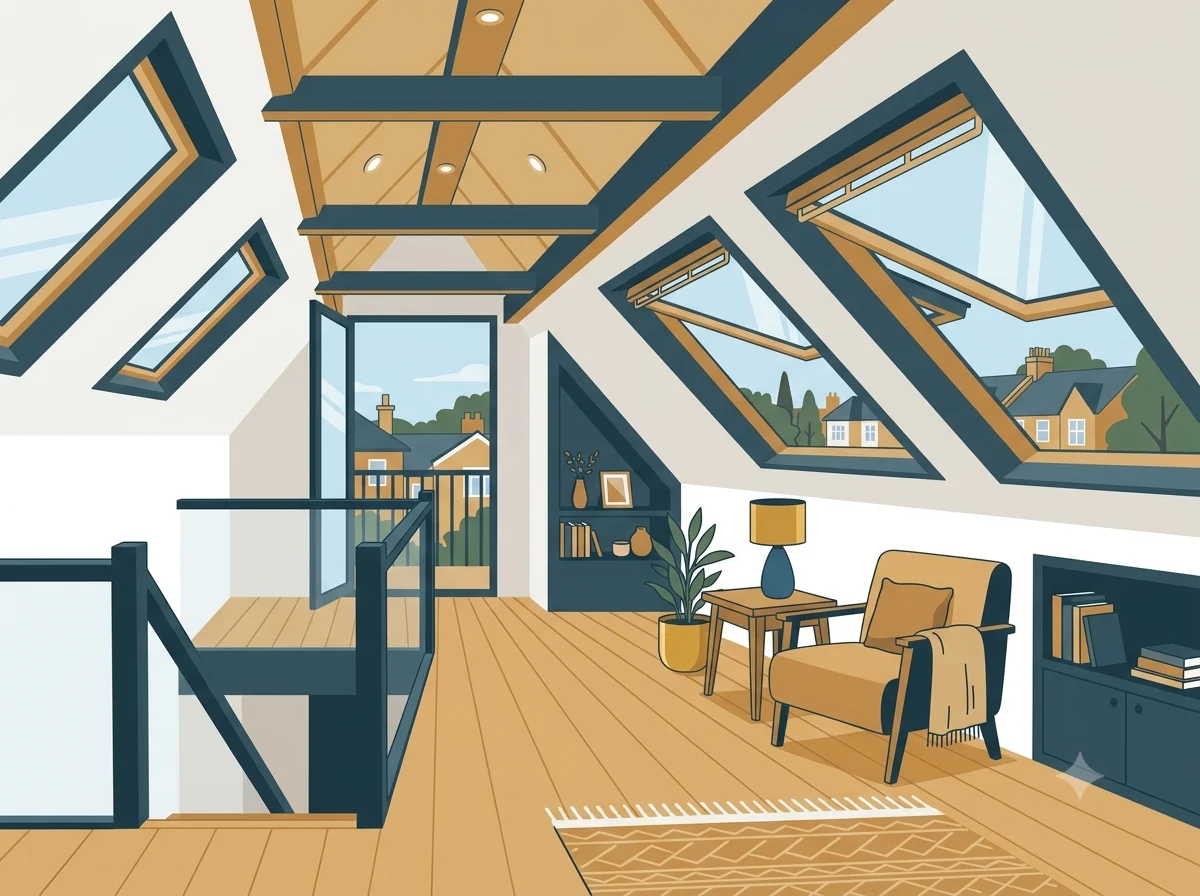
Velux Loft Conversion in Burnt Oak
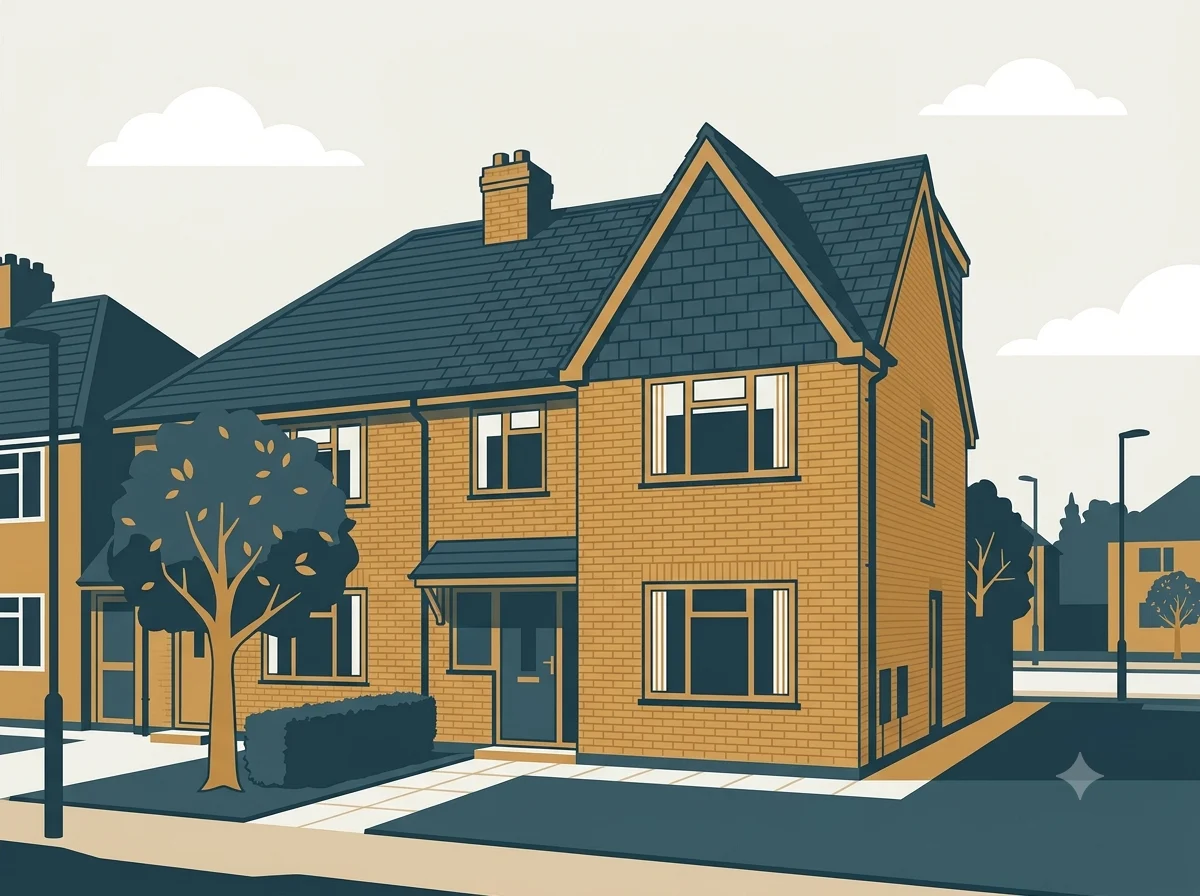
Hip to Gable Loft Conversion in Burnt Oak
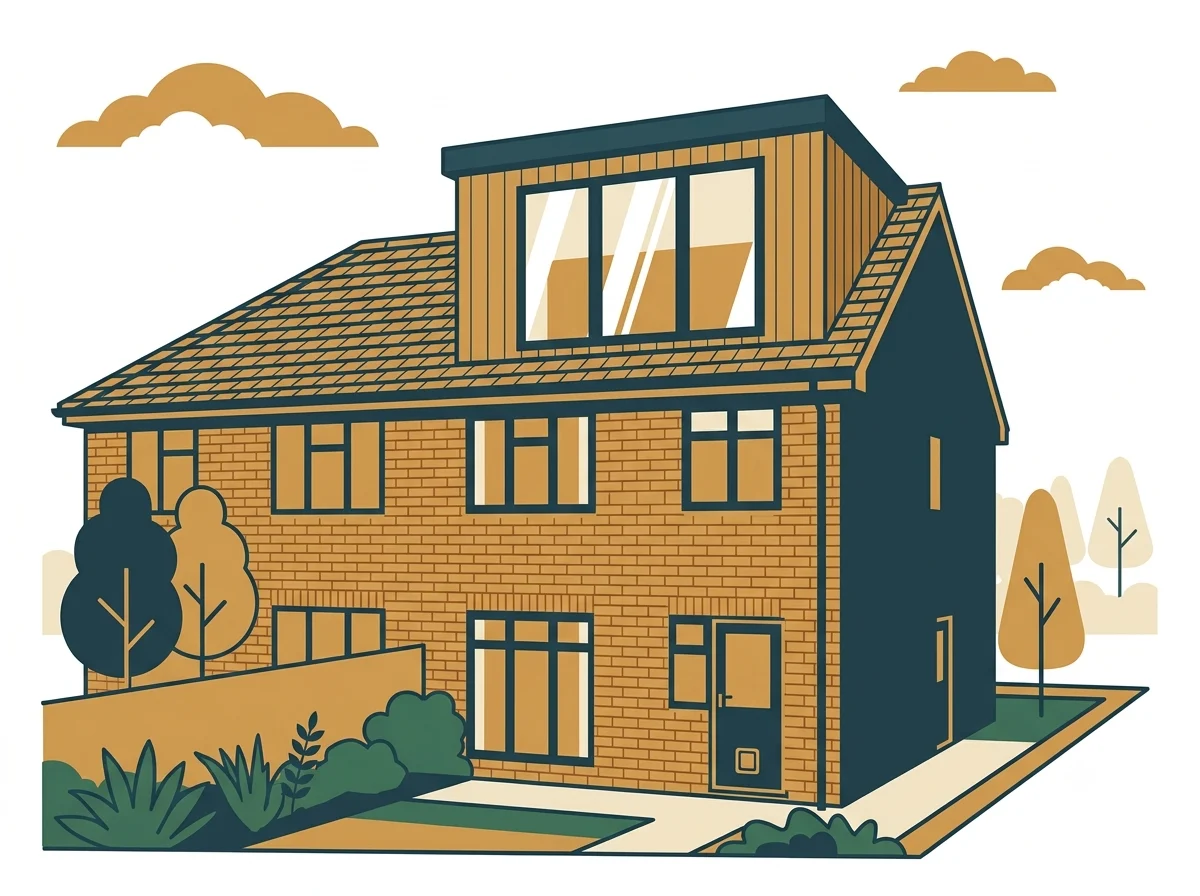
Dormer Loft Conversion in Burnt Oak
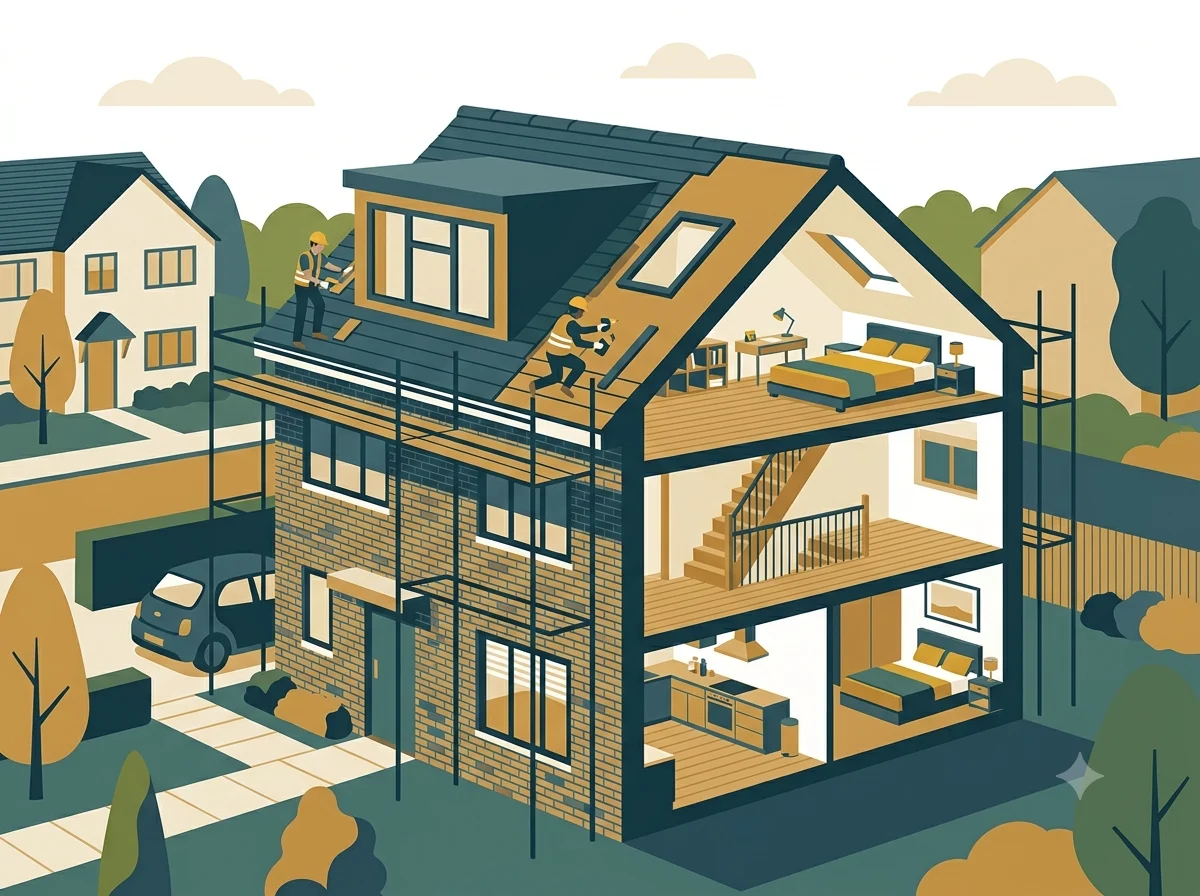
New Build Loft Conversion in Burnt Oak
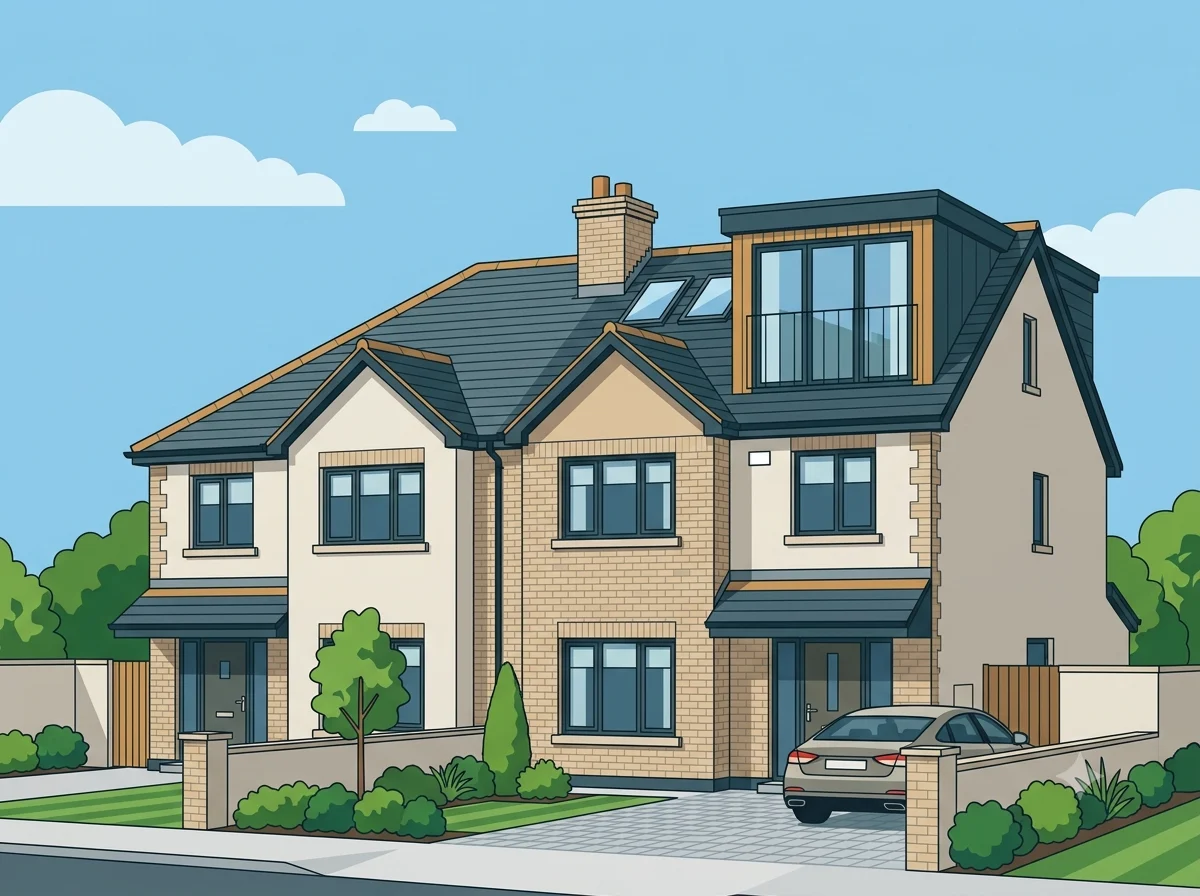
Semi Detached Loft Conversion in Burnt Oak
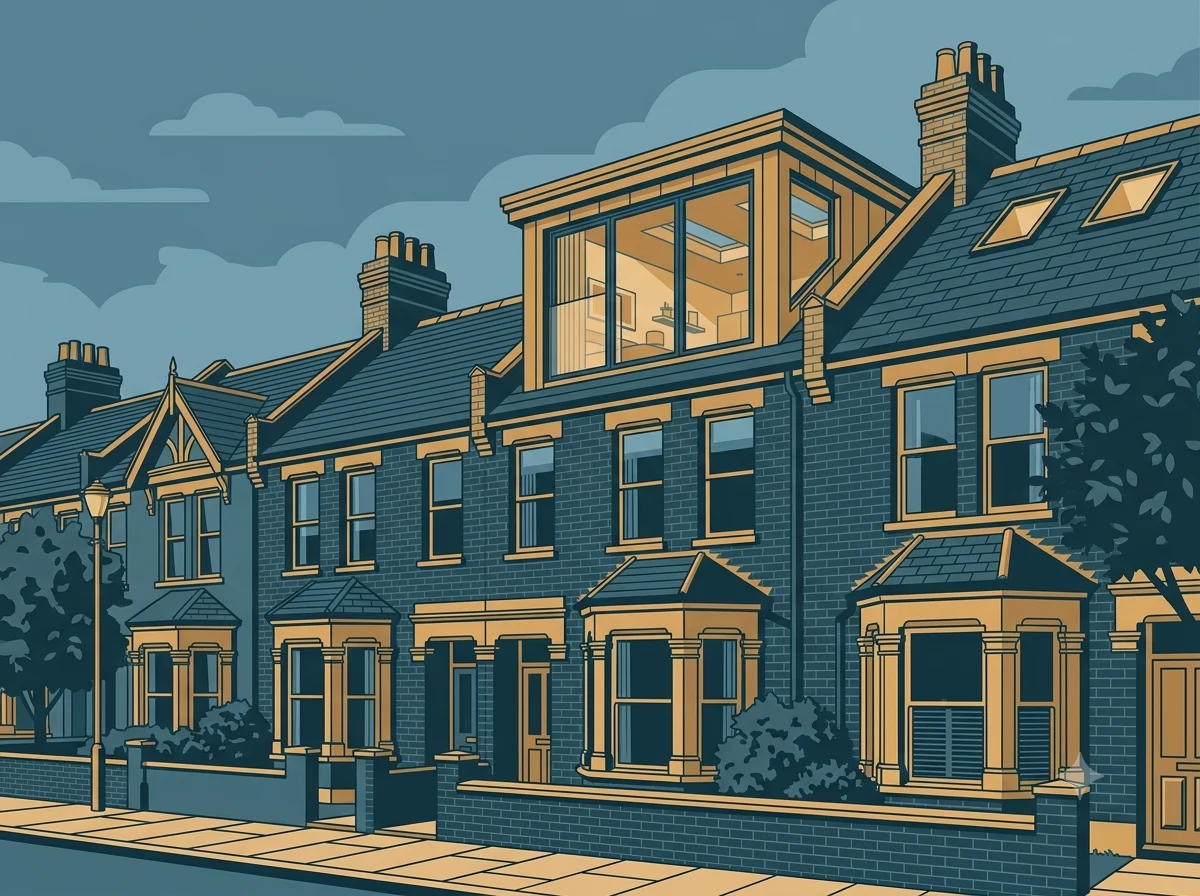
Terraced House Loft Conversion in Burnt Oak
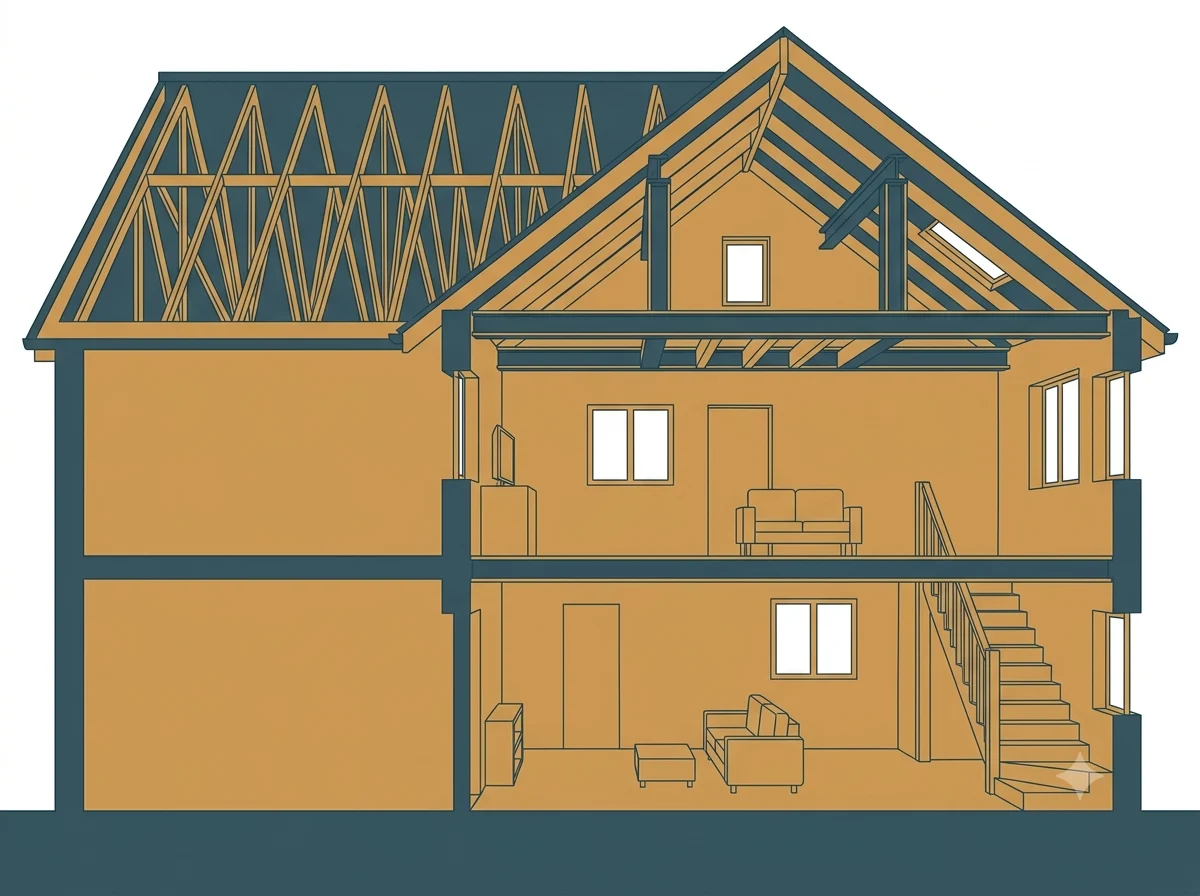
Trussed Roof Loft Conversion in Burnt Oak
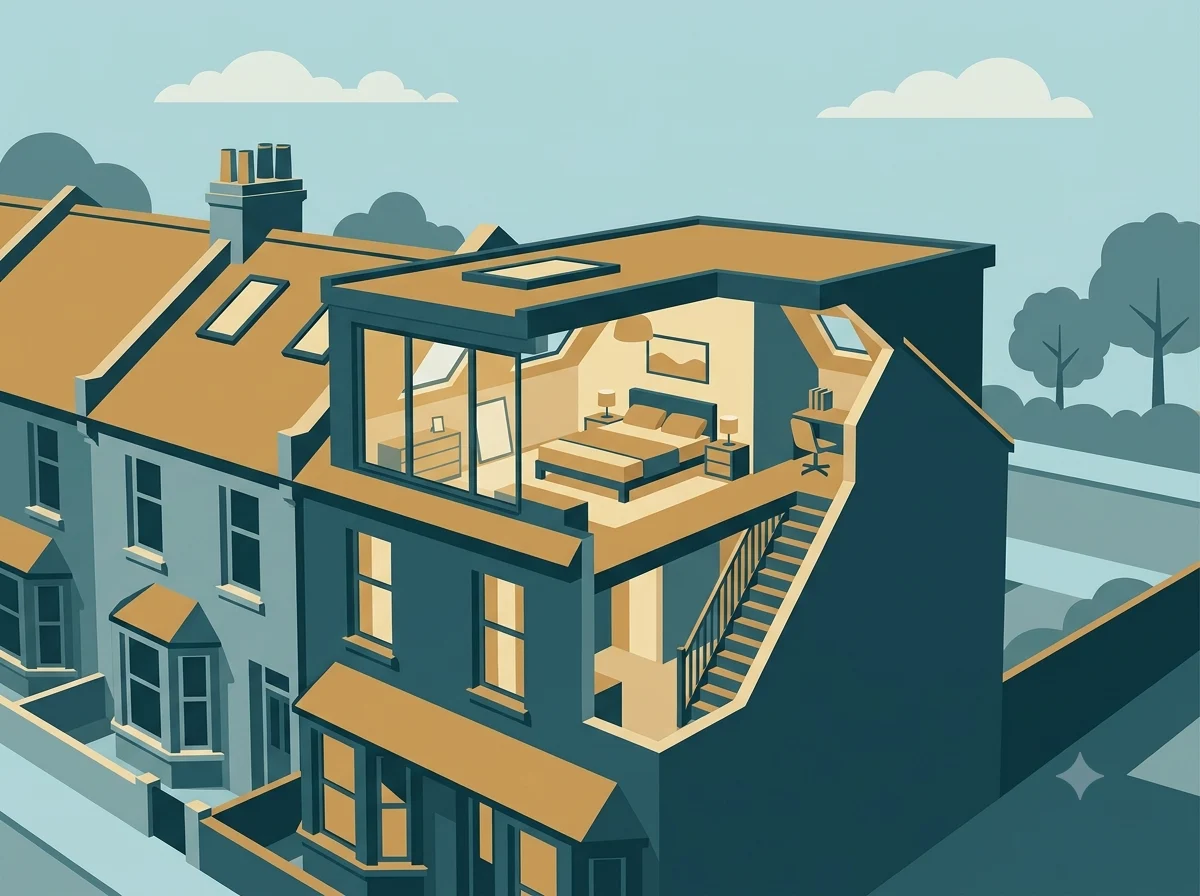
Low Pitch Loft Conversion in Burnt Oak
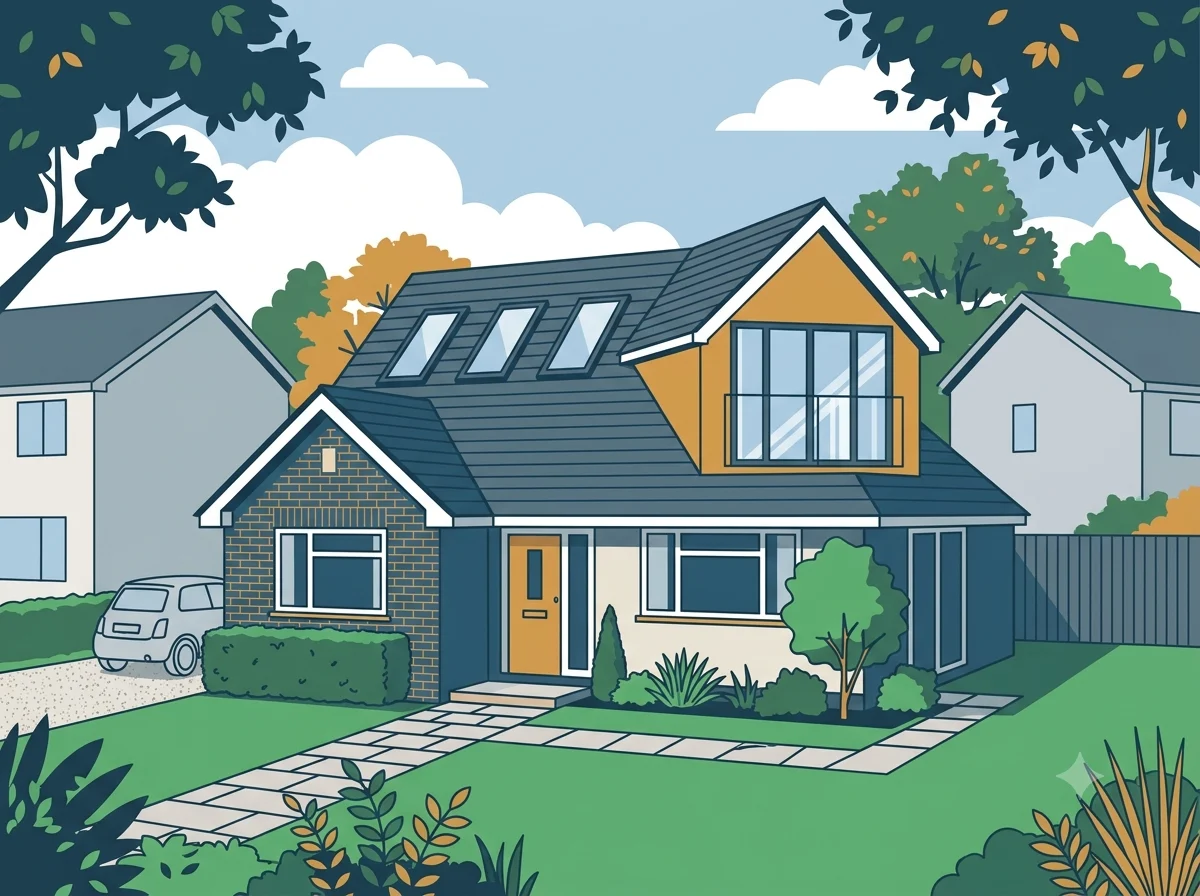
Bungalow Loft Conversion in Burnt Oak
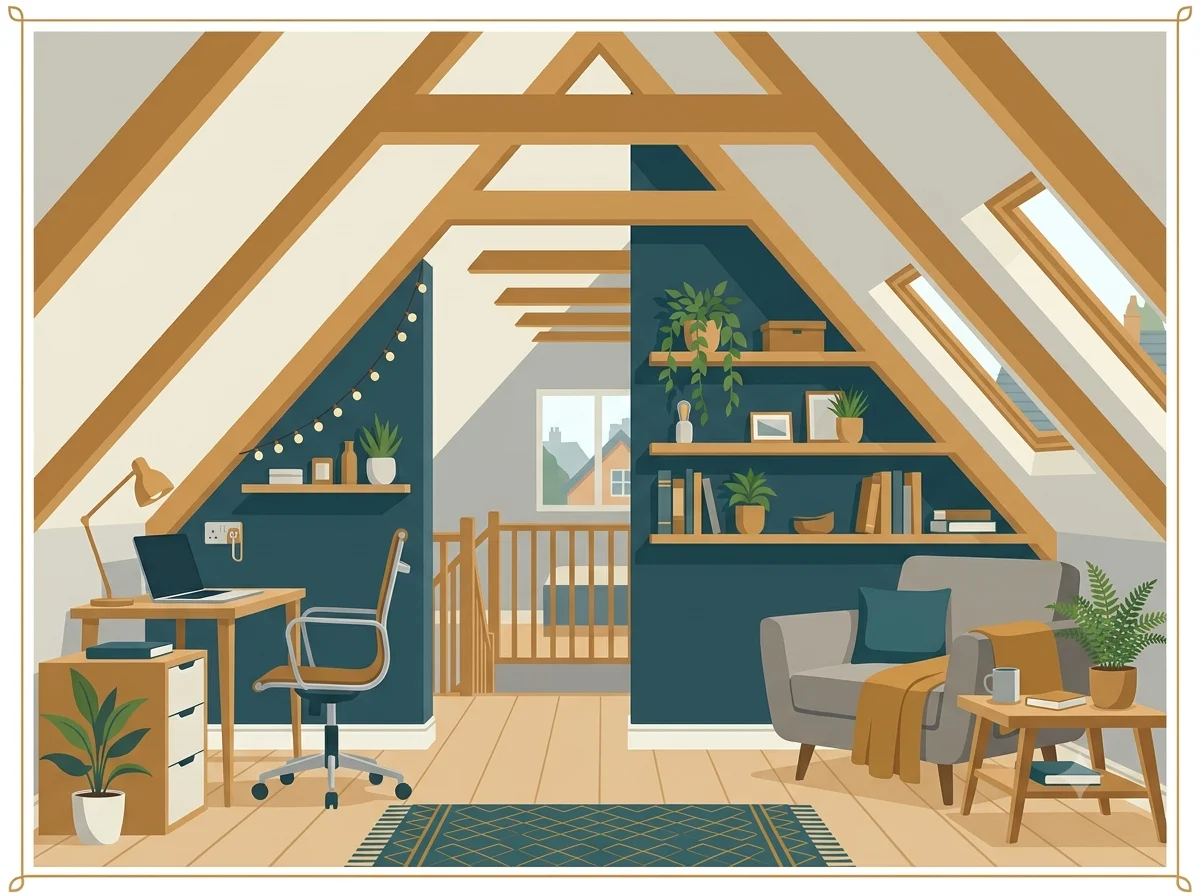
Low Ceiling Loft Conversion in Burnt Oak
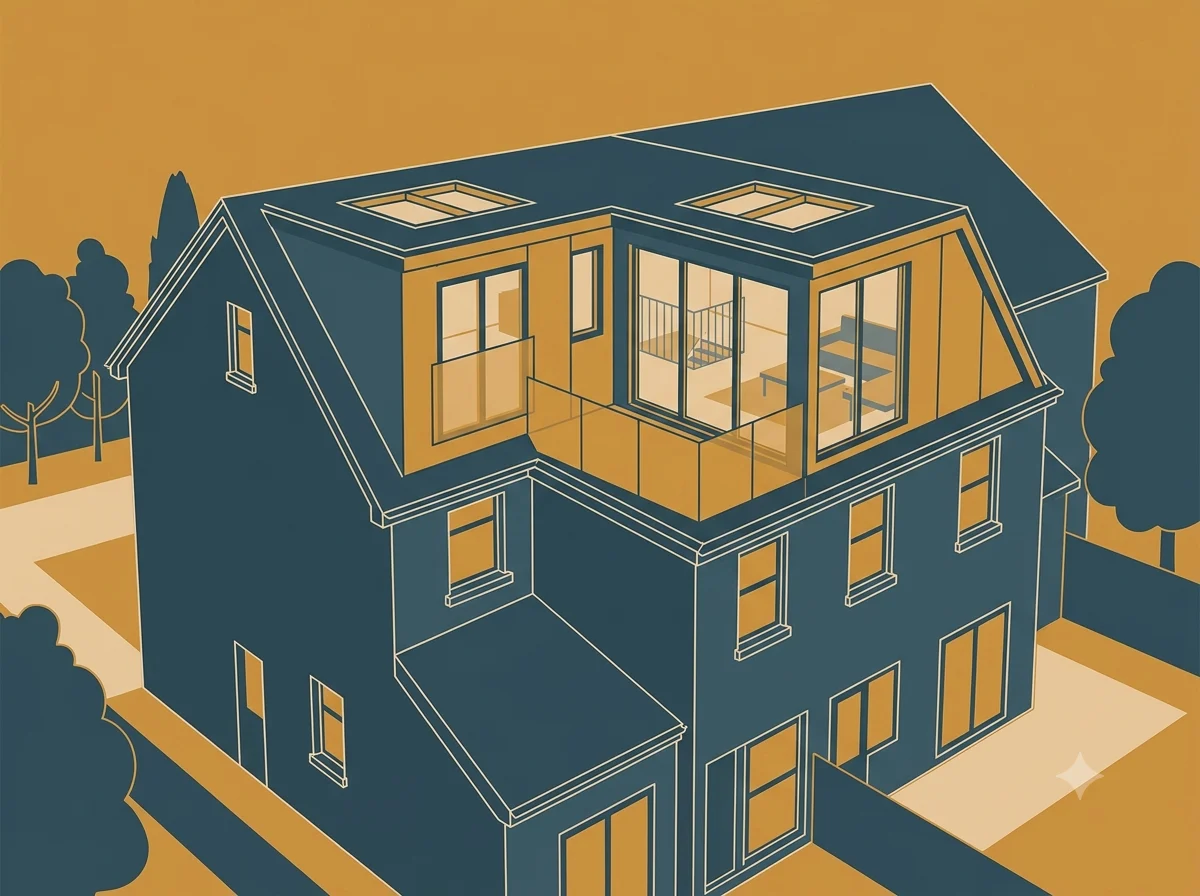
L Shaped Loft Conversion in Burnt Oak
Frequently asked questions (FAQ)
Do loft conversions in Burnt Oak usually need planning permission from Barnet Council?
On the Barnet side of Burnt Oak many loft conversions can go ahead under permitted development as long as the volume, height and design rules are met and the property is not affected by specific restrictions. Even when a loft conversion in Burnt Oak is permitted development, Barnet Council still requires building regulations approval and many homeowners apply for a Lawful Development Certificate for extra peace of mind.
Does Article 4 in Burnt Oak stop me from building a loft on my house?
Barnet’s borough wide Article 4 Direction in Burnt Oak removes permitted development rights for changing a family house into a small HMO, not for building a standard loft extension. That means a typical homeowner loft conversion on a Burnt Oak street is still judged against normal permitted development rules or full planning policies, while any plan to turn the loft and house into a small HMO needs planning permission.
What types of houses in Burnt Oak are best suited for loft conversions?
The interwar semis and terraces on Barnet’s Watling Estate and surrounding streets in Burnt Oak are often ideal for rear dormer and hip to gable loft conversions. Purpose built flats and higher density blocks in Burnt Oak are more complex and may need different structural solutions or full planning permission, so they need careful checking before you plan a loft conversion.
Is Burnt Oak only in Barnet or does it cross into other boroughs for planning?
Burnt Oak town centre lies across three boroughs Barnet, Brent and Harrow, with many housing streets on the Barnet side and others under Brent or Harrow. For loft conversions on Barnet addresses in Burnt Oak you deal with Barnet Council, but properties on the Brent side of Burnt Oak Broadway follow Brent’s conservation area and Article 4 rules, so it is important to confirm which council covers each site.
Are loft conversion costs in Burnt Oak different from the rest of Barnet?
Cost guides show that loft conversions in Barnet, including Burnt Oak, generally fall within similar ranges, with Velux lofts from about £25,000, dormers around £40,000 to £60,000 and complex mansard or hip to gable work at higher levels. Prices in Burnt Oak are influenced more by loft size, specification and structure than by the neighbourhood itself, although some Barnet conservation areas and higher value streets can push costs up.