
Loft Conversions in Finchley
Finchley City Information
Finchley is a large suburban district in the London Borough of Barnet, around seven miles north of Charing Cross. It is mainly residential and is built around three town centres North Finchley, East Finchley and Finchley Church End, often called Finchley Central. Each part has its own feel, from the busy High Road and Tally Ho Corner in North Finchley to the leafy streets and period homes around East Finchley and Church End. Finchley is popular with families and professionals because of its good schools, strong community spirit and a mix of Victorian, Edwardian and 1930s housing that works well for loft conversions. Residents have Northern line stations at East Finchley, Finchley Central, West Finchley and Woodside Park, plus good bus links and access to main roads such as the North Circular, which keeps the area well connected while still feeling like a calm north London suburb.
Finchley is really three places with three postcodes. East Finchley sits in N2, Church End or Finchley Central in N3, and North Finchley along with Woodside Park in N12, with a little of the northern edge running into N20. That matters when you are checking planning records or comparing what neighbours have had approved, because a search on the wrong district will miss your street entirely.
Cost Range
- Loft conversion costs in Finchley run above the national average. Barnet sits at roughly 1.22 times the UK average for construction costs, so expect £1,500 to £2,500 per square metre for a good standard of finish.
- A roof light or Velux conversion typically costs between £25,000 and £40,000, because the shape of the roof does not change.
- A rear dormer runs from about £40,000 to £60,000. On the Victorian and Edwardian terraces around Dollis Road and the streets off Ballards Lane this is usually the route people take.
- Hip to gable works on the interwar semis, including the 1930s houses around Friary Park and Lyndhurst Avenue, where the roof slopes inwards on all four sides. On its own it runs £50,000 to £75,000, or £65,000 to £90,000 combined with a rear dormer in the same job.
- A mansard is more often between £60,000 and £95,000, and it suits the larger Edwardian houses near Woodside Park Road where there is more roof to rebuild.
- Where you live changes things here more than the house does. Finchley has four conservation areas, at Finchley Church End, Moss Hall Crescent, College Farm and Finchley Garden Village. Finchley Garden Village has carried an Article 4 Direction since 1979 that removes rights for altering a dwelling, changing the roof and adding porches, and Finchley Church End has older Article 4 directions over several sub areas. Inside any of those you will need a full planning application, extra drawings and more time.
- These are guide figures and not a quote. Roof size, access and the state of the existing structure all change the final number.
Planning Notes
Finchley is covered by the Planning Service within Planning and Building Control at the London Borough of Barnet. For most houses in Finchley, loft conversions can go ahead under national permitted development rights if they stay within the usual limits for roof volume, height and design. Terraced houses can generally add up to 40 cubic metres of extra roof space and semi detached or detached houses up to 50 cubic metres, with the new roof kept below the existing ridge and dormers set back from the eaves. Materials should be similar to the existing walls and roof, there should be no balconies or roof terraces, and any side facing windows must be obscure glazed and non opening below 1.7 metres above the floor. Building regulations approval is always needed and Barnet often recommends that homeowners apply for a Lawful Development Certificate to confirm that a Finchley loft conversion is permitted development. Parts of Finchley sit inside conservation areas, including Finchley Church End, Moss Hall Crescent, College Farm and Finchley Garden Village, where householder Article 4 directions remove some or all permitted development rights, so many roof changes there need a full planning application even if they would be permitted development elsewhere in Barnet.
Article Notes
Barnet uses Article 4 directions to remove permitted development rights where it needs tighter control over works that might harm the character of sensitive areas. Finchley Garden Village Conservation Area has had an Article 4 direction since 1979 that removes rights for a range of minor works, including enlarging or altering a dwelling, changing the roof, adding porches, putting in hardstandings, and new gates or walls, so any loft extension or roof change there usually needs full planning permission. Finchley Church End conservation area carries old style Article 4 directions over several sub areas plus Moss Hall Crescent and nearby streets, so roof dormers or hip to gable loft conversions that might be permitted development elsewhere in N3 often require planning applications when they sit inside the mapped Article 4 parcels. Across Barnet there is also a separate Article 4 direction for small Houses in Multiple Occupation, which means changing a Finchley family house into a small HMO needs planning permission rather than relying on national rules. Homeowners planning loft conversions in Finchley should therefore check carefully whether their address lies inside one of the conservation areas or Article 4 streets, as this decides whether permitted development rights still apply.
Types of Houses in Finchley
Finchley is known for its rows of Victorian and Edwardian houses, as well as many interwar suburban semis and terraces, which together form a strong base for loft work. Around streets such as Dollis Road and Ballards Lane you see substantial period properties with pitched roofs, bay windows and good garden depths, which lend themselves well to rear dormer or hip to gable loft conversions. North Finchley has a mix of 1930s houses around Friary Park and Lyndhurst Avenue, larger Edwardian homes near Woodside Park Road and more modest Victorian cottages, giving a full spread of roof types from simple two slope roofs to more complex hips. East Finchley includes many nineteenth century terraced streets and characterful period homes that already show a history of extensions and loft work, alongside newer infill blocks. Across Finchley there are also modern apartment buildings and infill schemes, especially near the town centres and transport hubs, where loft conversion options can be more limited or require full planning and structural solutions rather than straightforward householder jobs.
Highlights
- East Finchley station in zone 3, and Finchley Central, West Finchley and Woodside Park in zone 4, all on the High Barnet branch of the Northern line
- The Archer, the 10 foot statue by Eric Aumonier that stands over East Finchley station
- The Phoenix Cinema in East Finchley, one of the oldest purpose built cinemas in the country, behind a 1930s art deco front
- artsdepot at Tally Ho Corner in North Finchley, which opened in 2004
- Stephens House and Gardens, once called Avenue House, which keeps the story of Henry Stephens and the Stephens Ink company
- St Mary at Finchley church, which dates from the 1270s
- Ballards Lane and Finchley High Road, with independent shops, cafes and supermarkets
- Tally Ho Corner in North Finchley
- Friary Park, Victoria Park which opened in 1902, Long Lane Pasture and the Dollis Valley Greenwalk
- Finchley Memorial Hospital, opened in 1908 as a cottage hospital and rebuilt in 2012
- Seventeen primary schools, seven secondary schools and Woodhouse College
- Margaret Thatcher was the Member of Parliament for Finchley from 1959 to 1992
- Brent Cross Shopping Centre nearby
- The North Circular Road and the M1 to the west
- A population of 65,812 at the 2011 census
- The three parts of Finchley and their postcodes: East Finchley in N2, Church End or Finchley Central in N3, and North Finchley with Woodside Park in N12
- Golders Green, Muswell Hill, Friern Barnet, Whetstone, Mill Hill and Hendon on the boundaries
Loft Conversion Type We Offer in Finchley
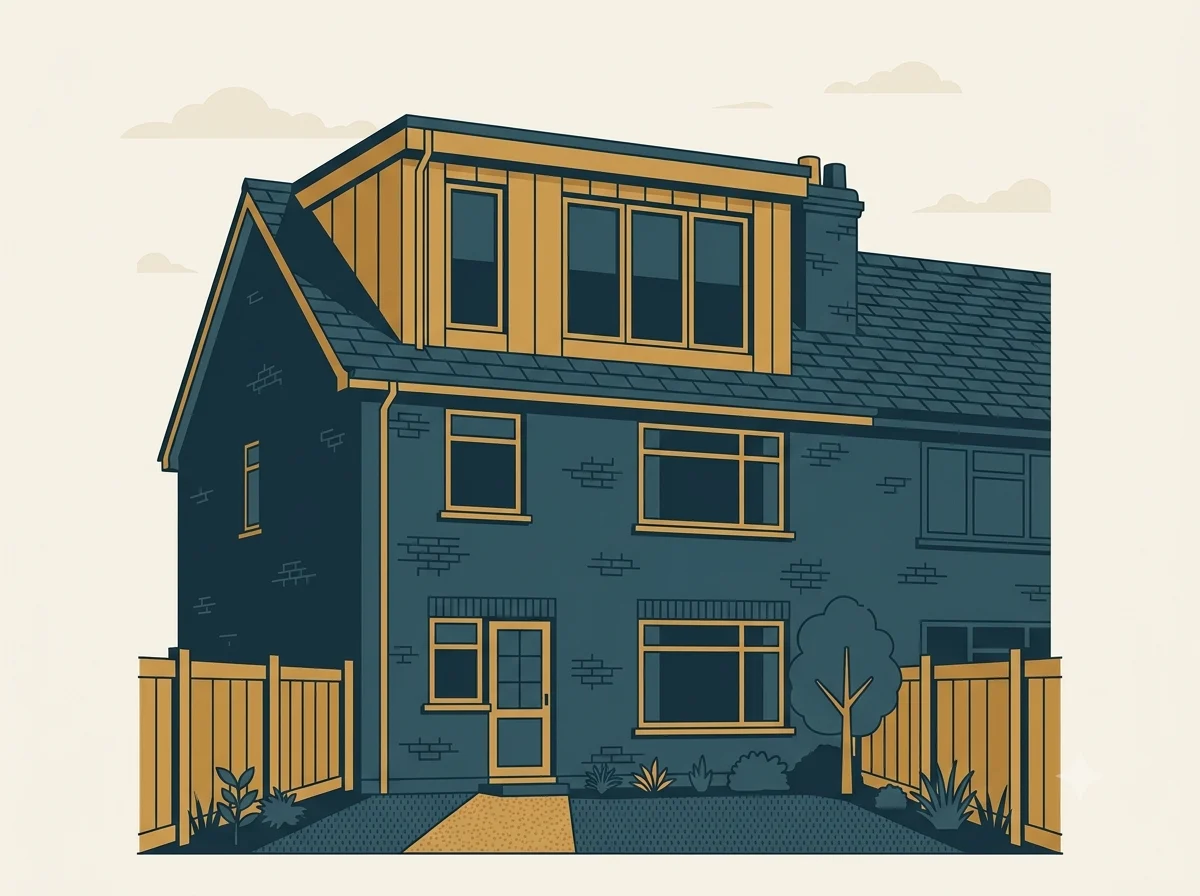
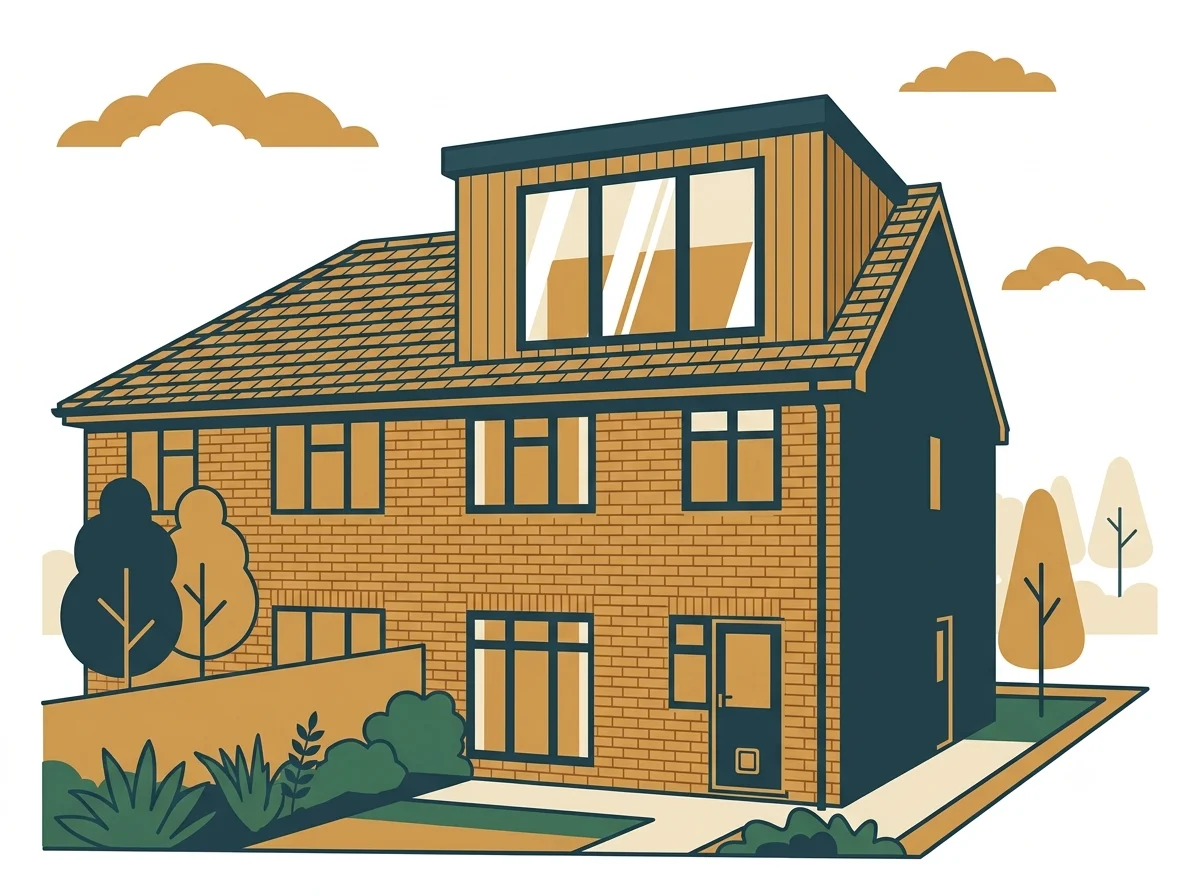
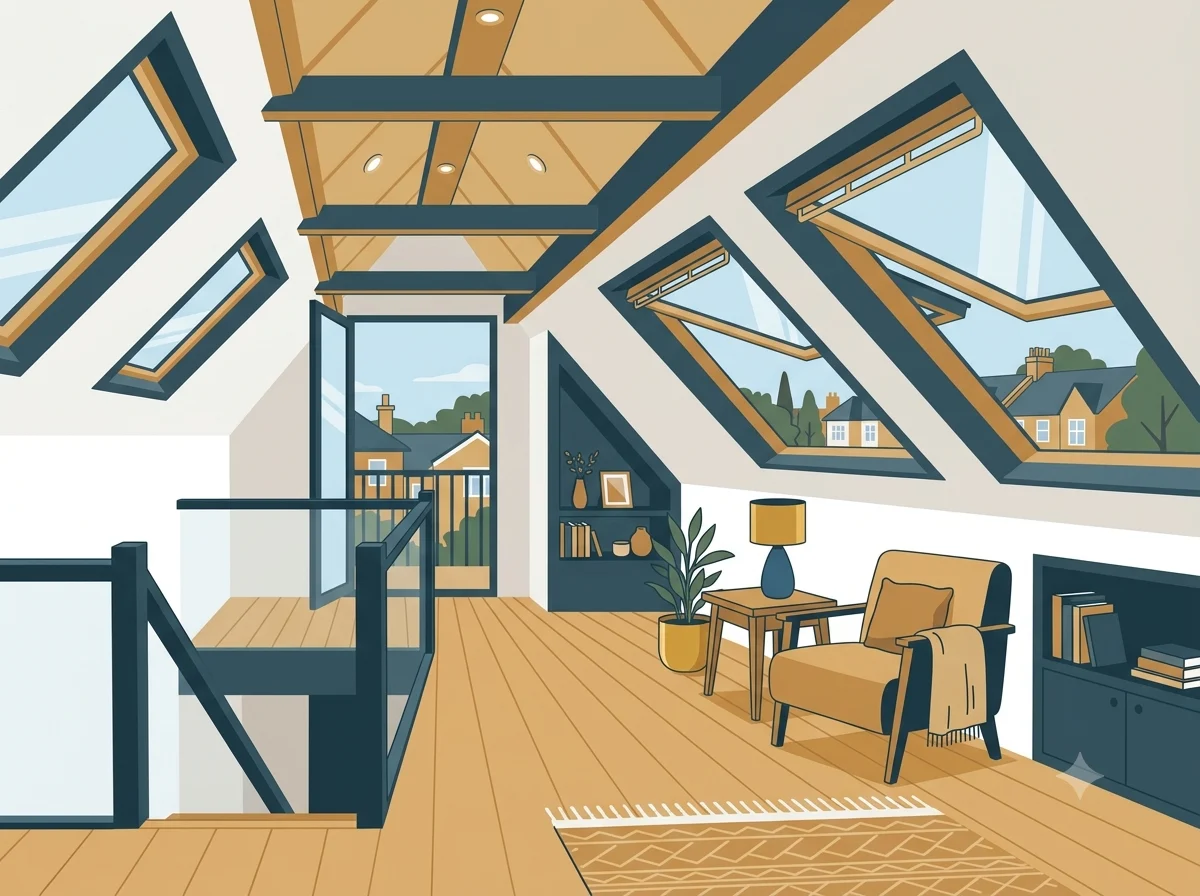
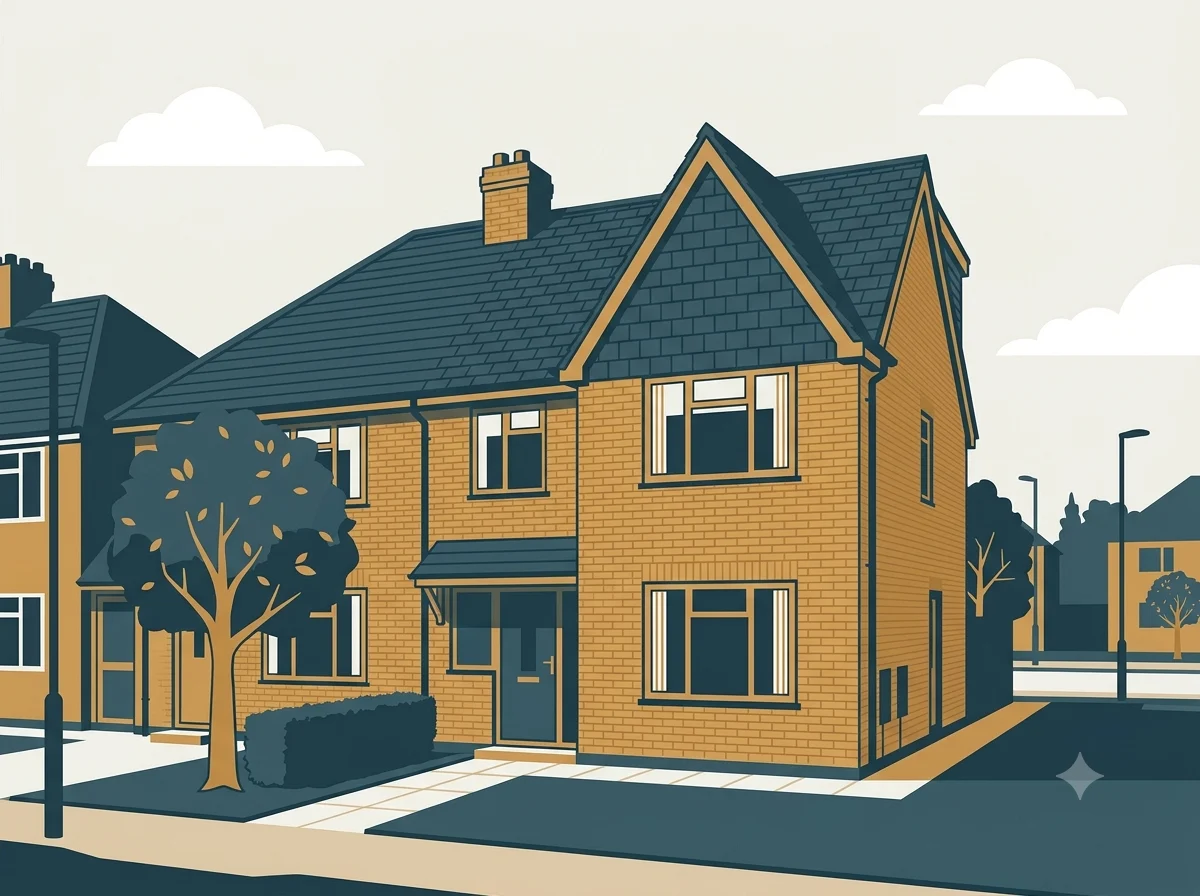
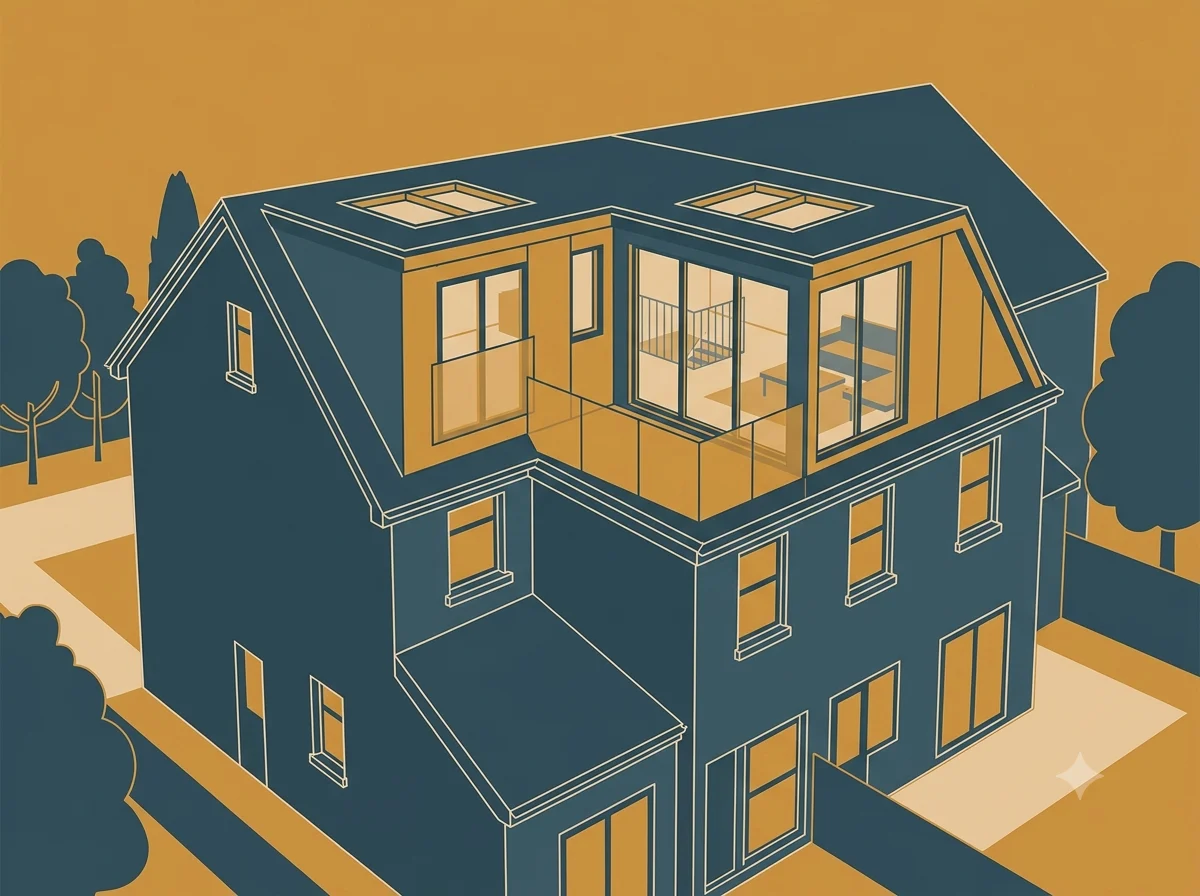
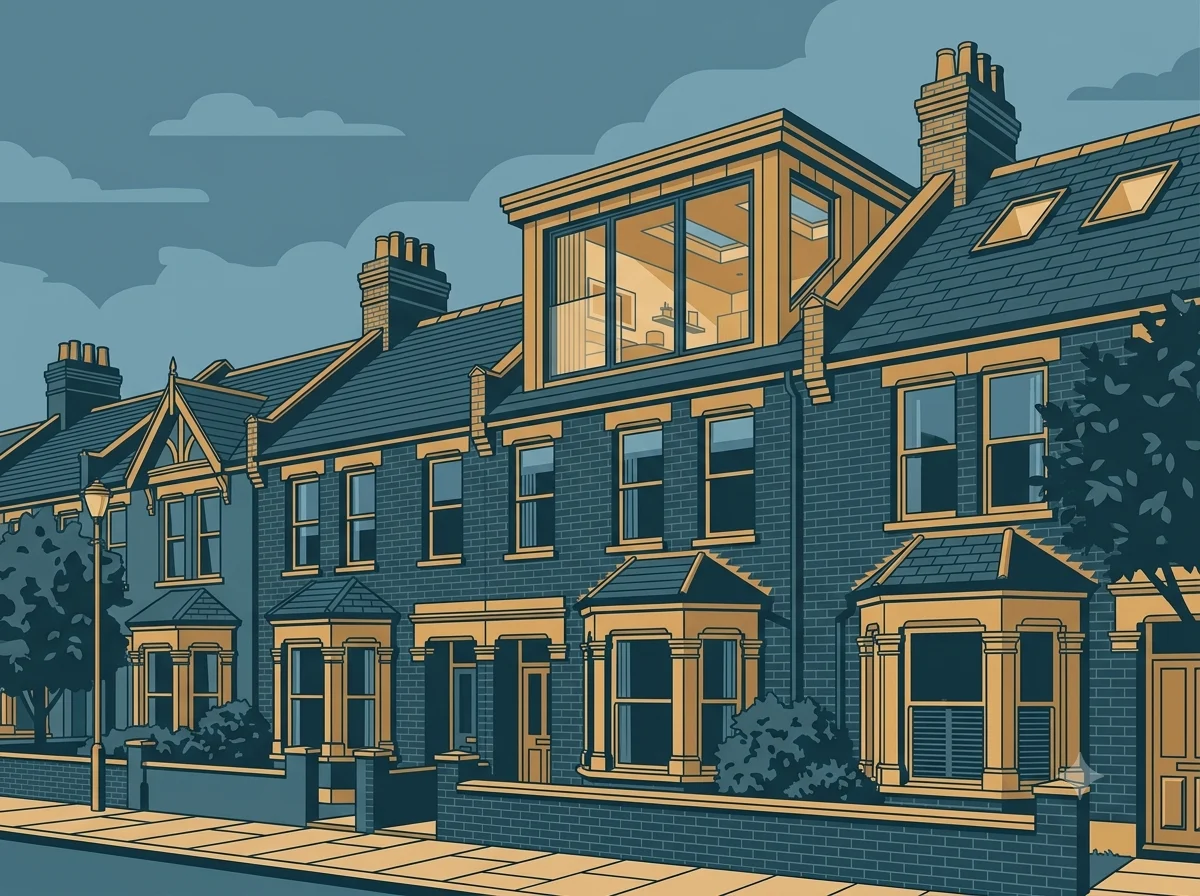
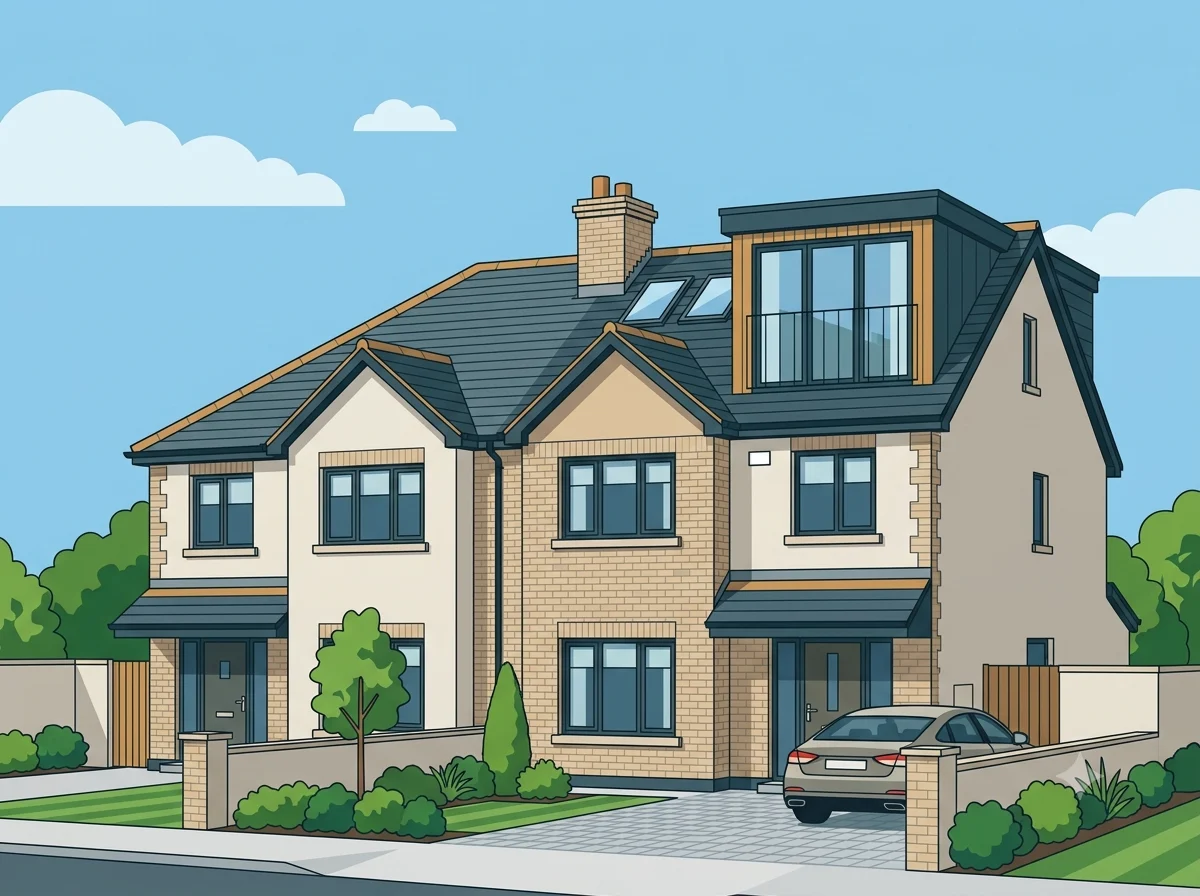
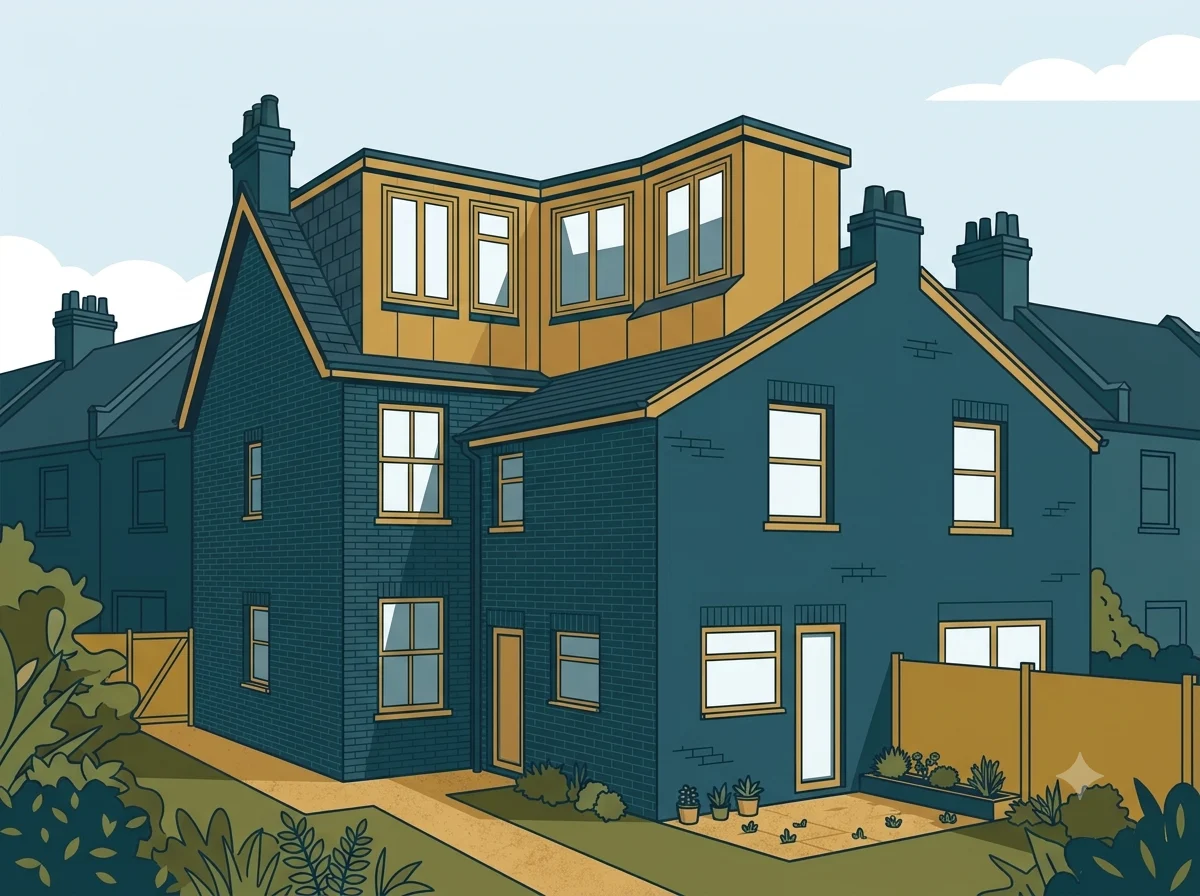
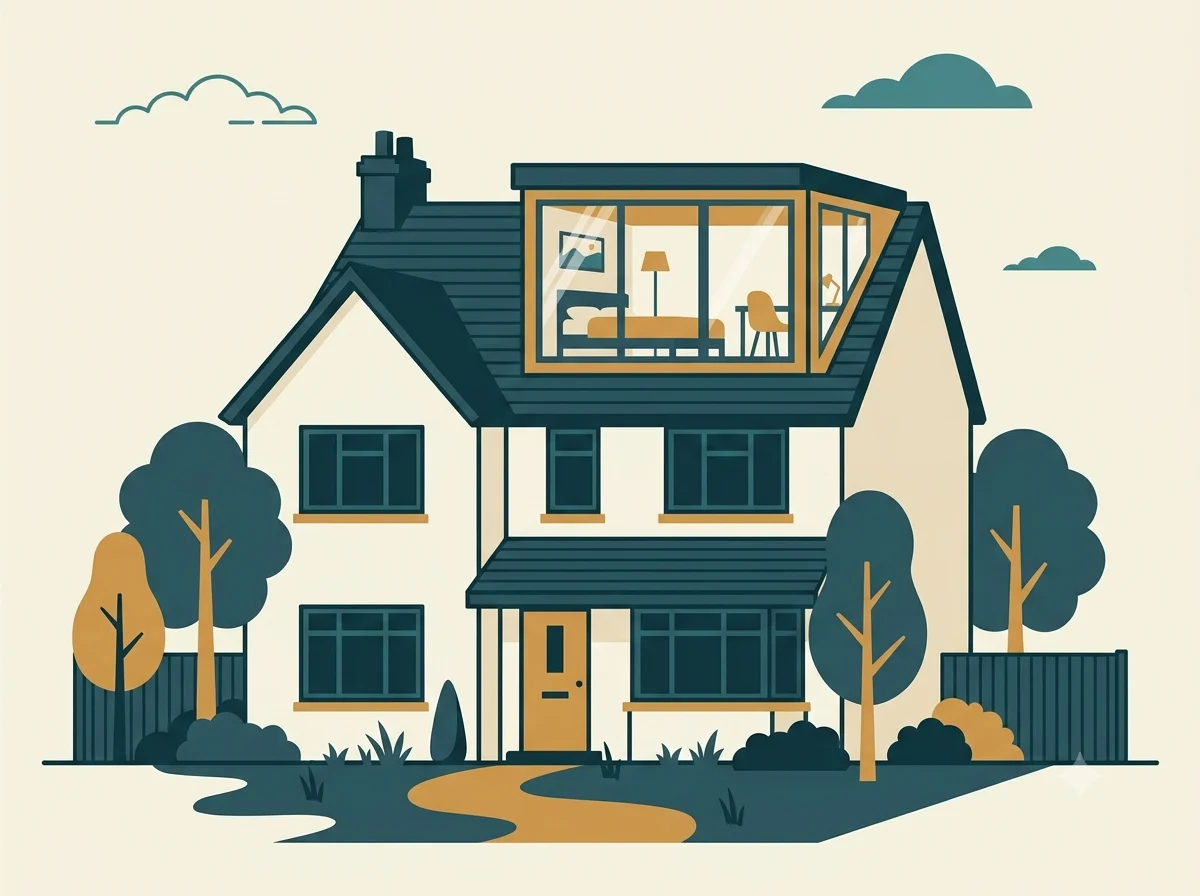
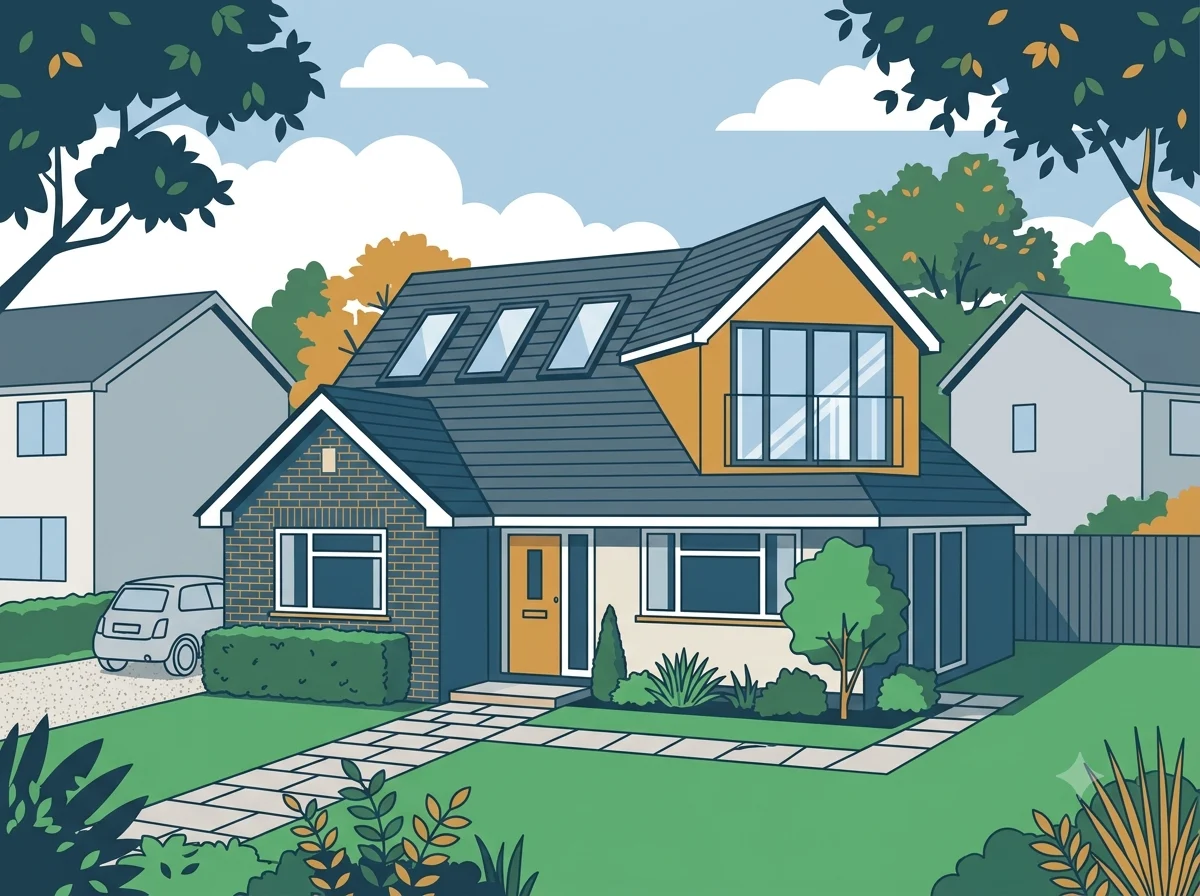
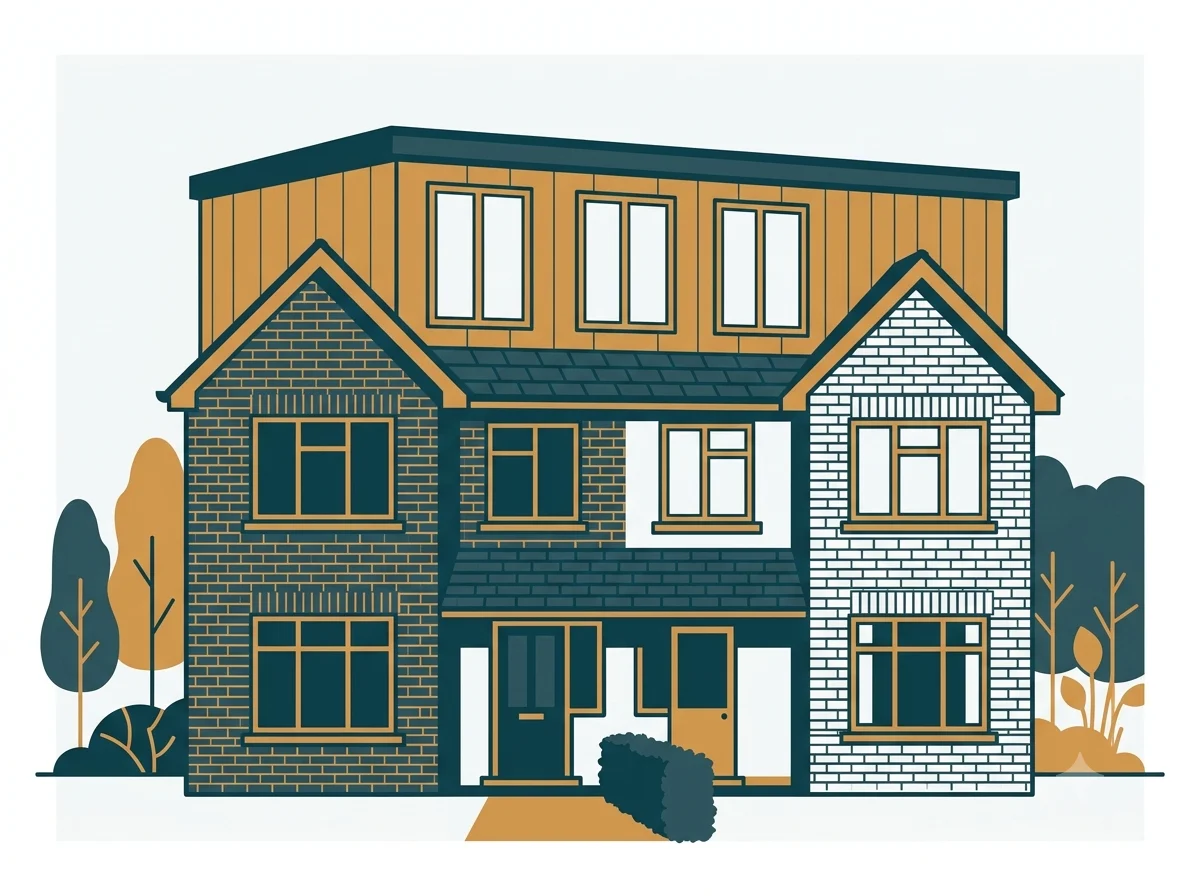
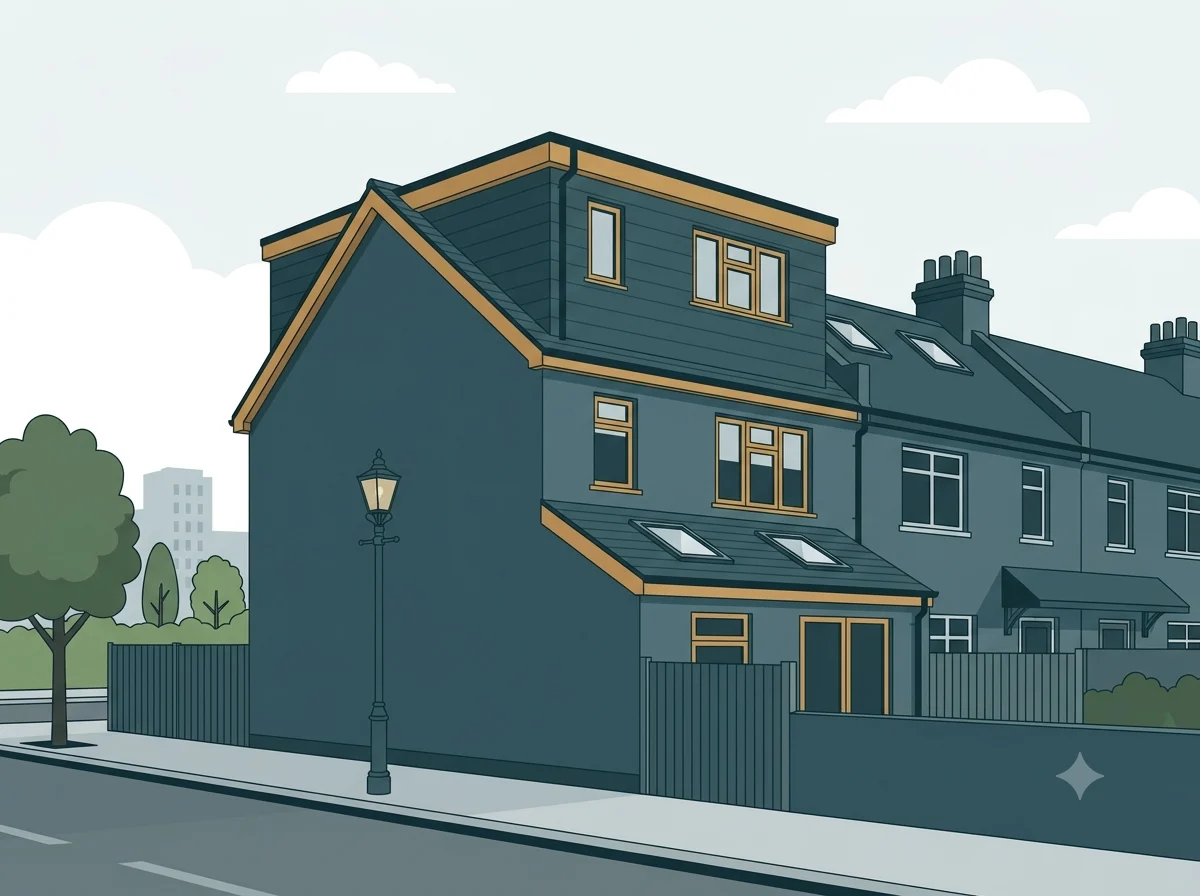
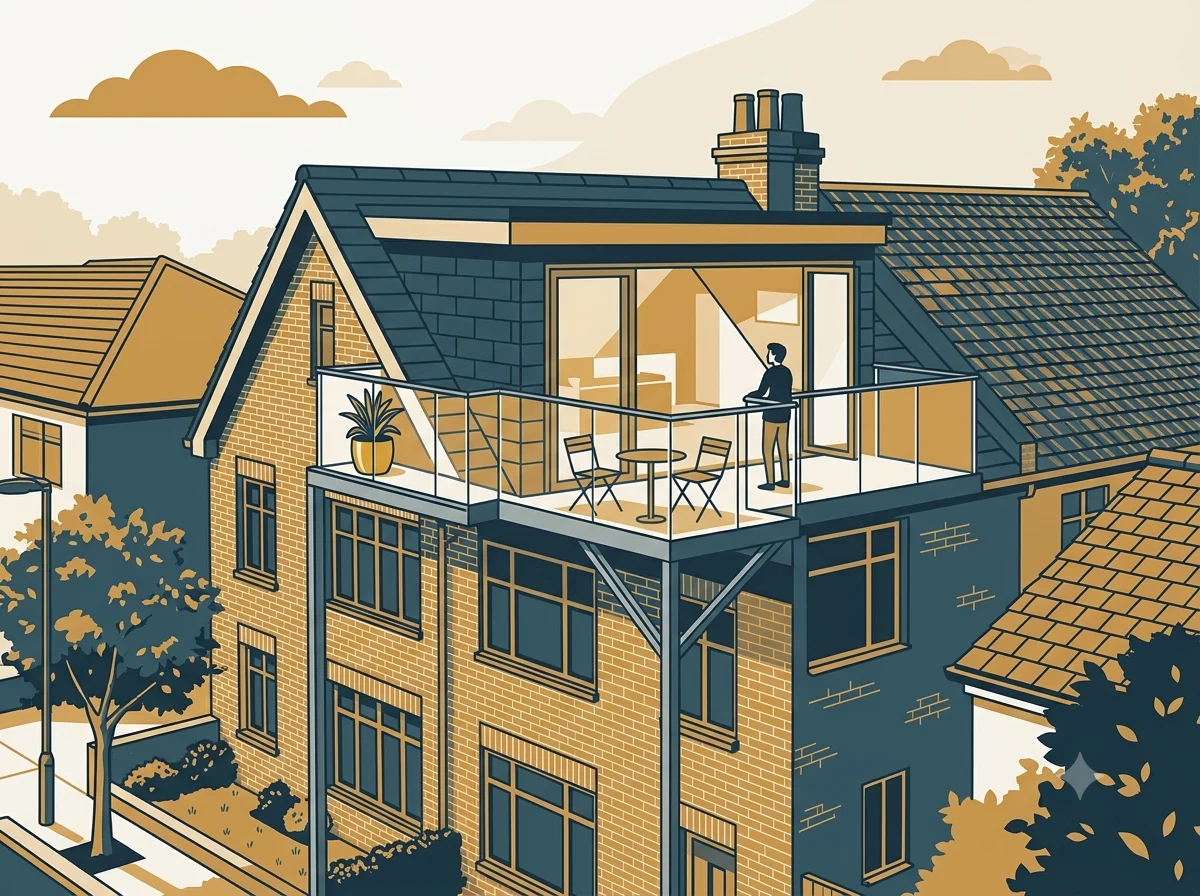
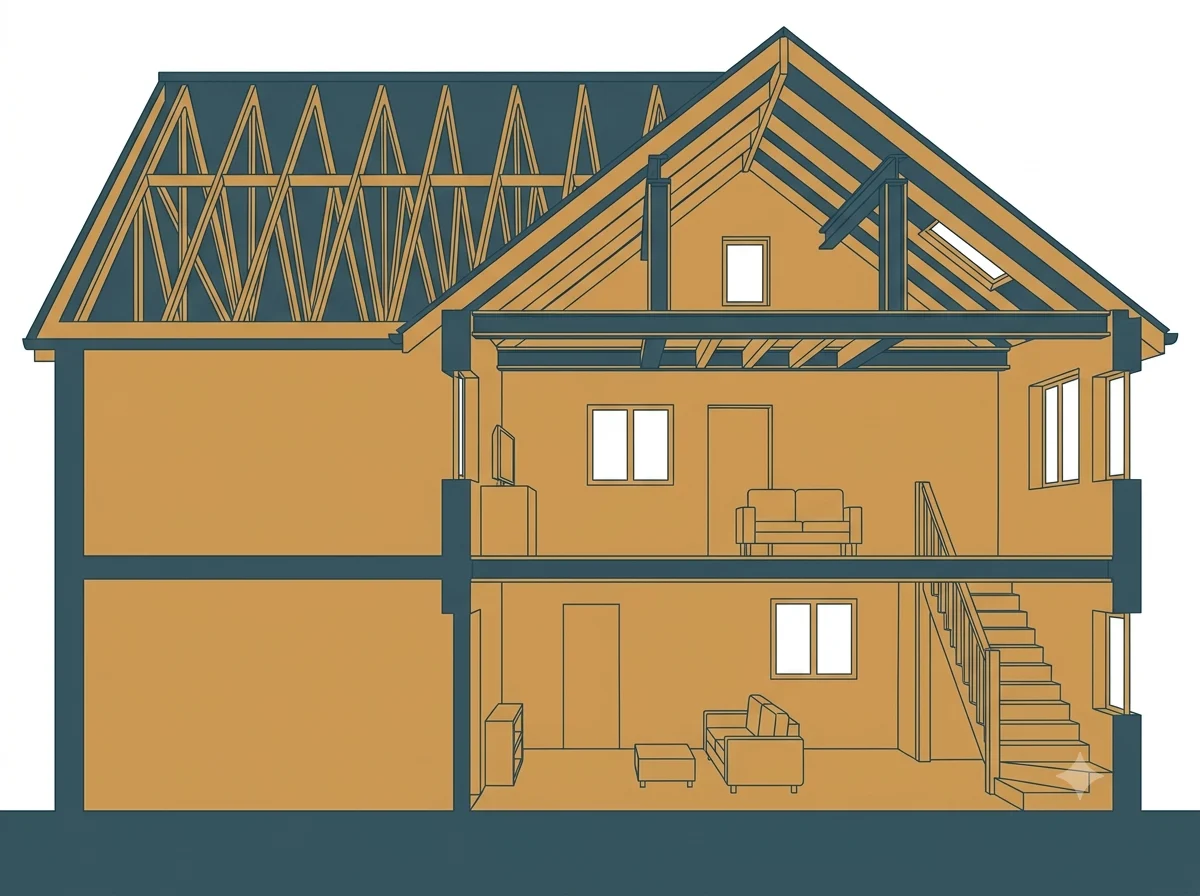
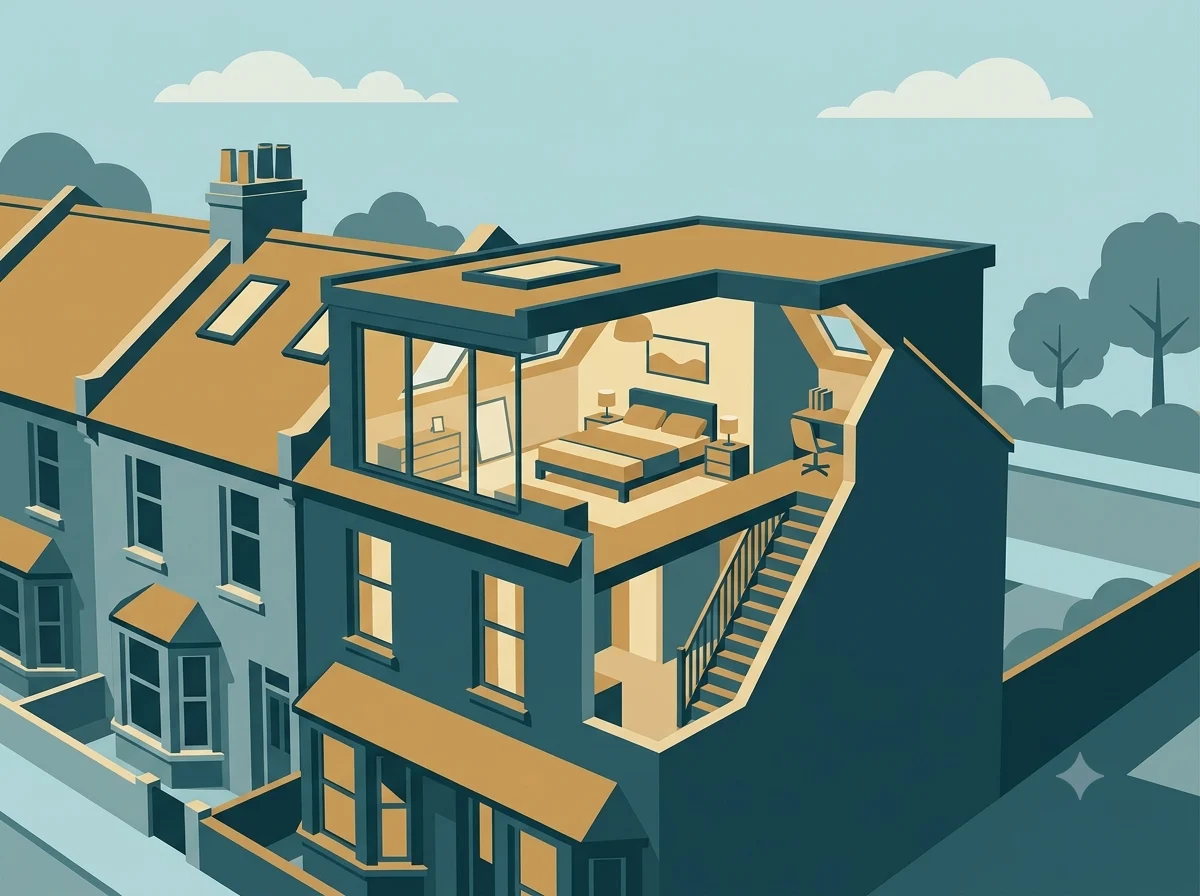
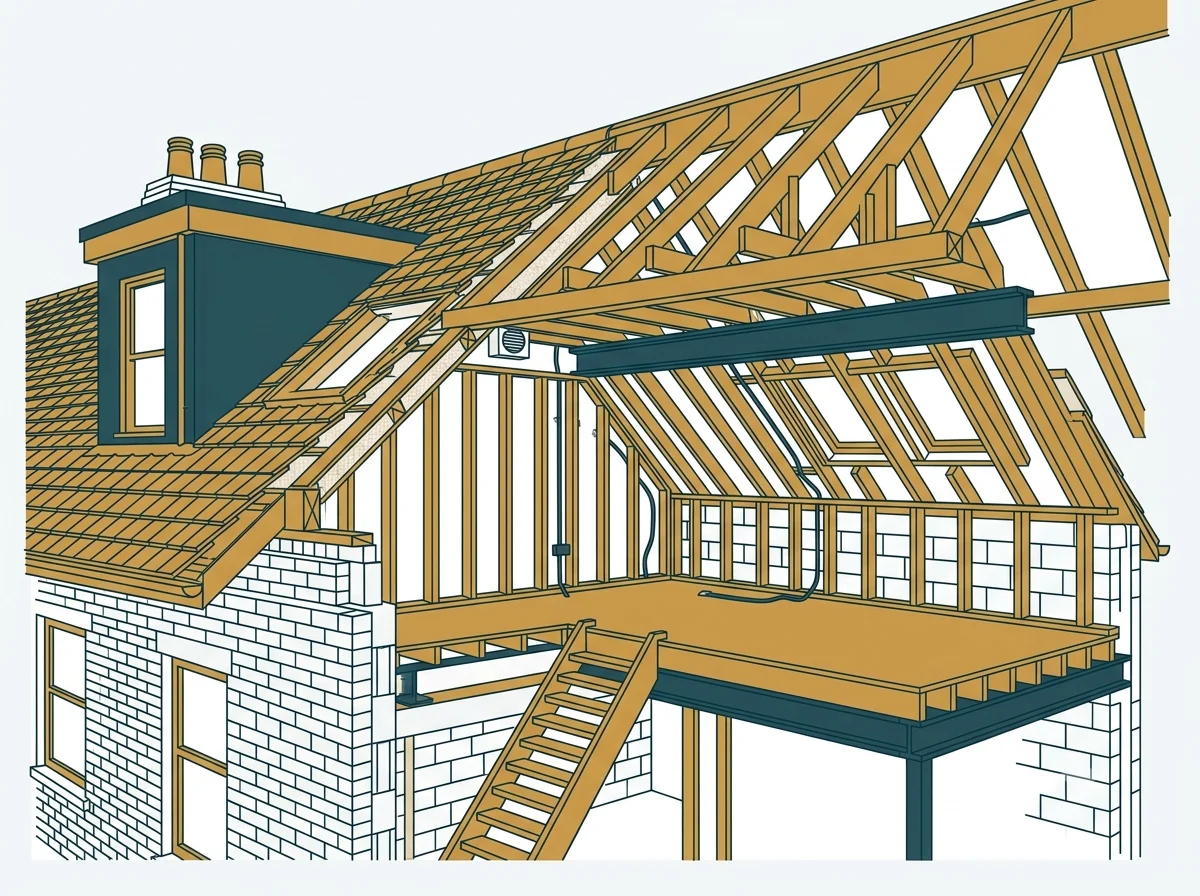
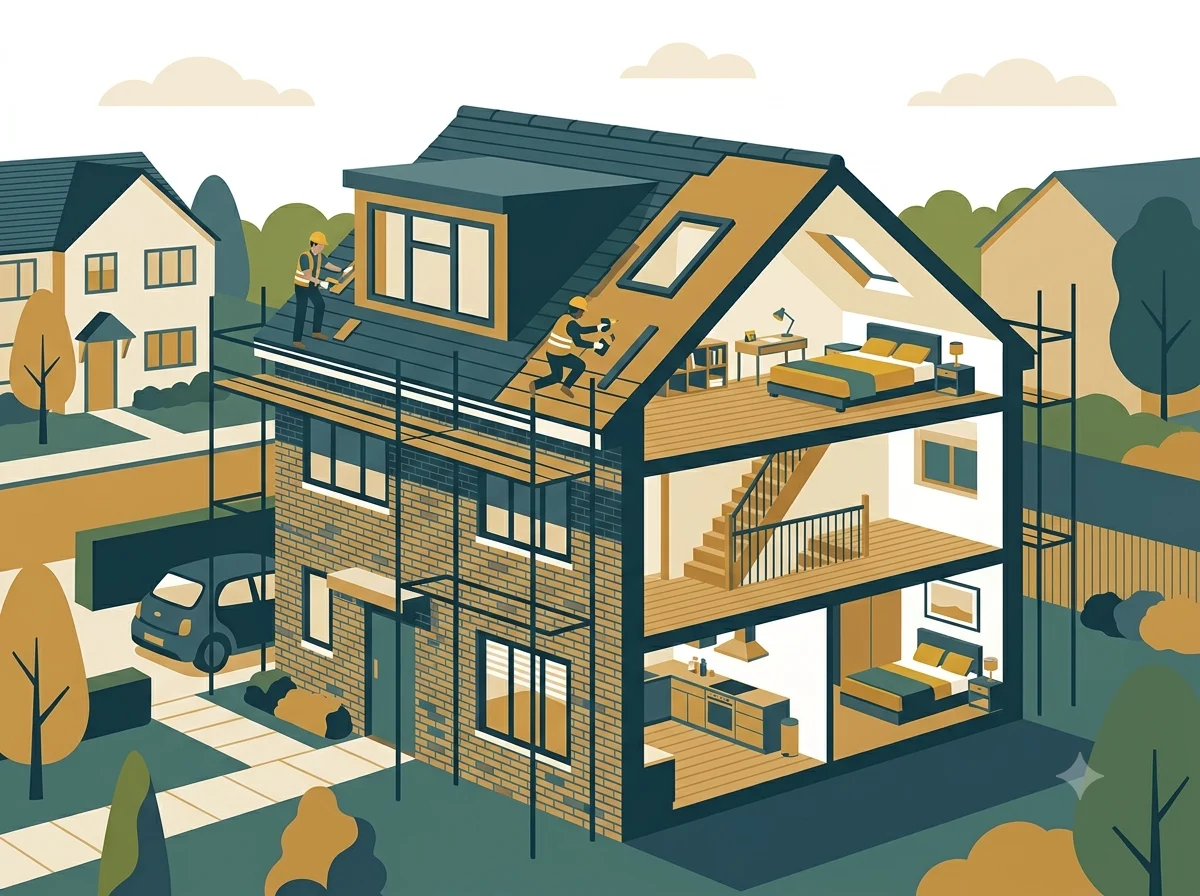
Whatever type of loft you have, there is a conversion to suit it. From dormer and mansard builds to bungalows and tricky low pitch roofs, LoftBuddy matches you with specialists experienced in your exact type of project.
Near by Areas we operate
Frequently asked questions (FAQ)
Do loft conversions in Finchley usually need full planning permission from Barnet Council?
In many parts of Finchley a loft conversion can proceed under permitted development as long as it stays within volume, height and design limits and the property is not inside a conservation area or Article 4 street. In Finchley Church End and Finchley Garden Village conservation areas, Barnet uses Article 4 directions, so even roof changes that would be permitted development elsewhere often need a full planning application.
How do Article 4 directions affect loft conversions in Finchley?
Article 4 directions in Finchley remove some or all permitted development rights, which means that works such as roof enlargements, porches, hardstandings and external alterations must go through the planning process instead of relying on national rules. In Finchley Garden Village and parts of Finchley Church End this covers roof changes, so any loft conversion that alters the external appearance normally needs detailed drawings and a planning application to Barnet Council.
What types of Finchley houses are best suited to loft conversions?
The Victorian and Edwardian terraces and semis around streets like Dollis Road, Ballards Lane and many parts of North Finchley and East Finchley are well suited to rear dormer and hip to gable loft conversions. Modern flats and some conservation area properties in Finchley can still take lofts, but they need careful structural design and planning work, and in some cases permissions may be harder to secure or the roof form may not be suitable.
Are loft conversion costs in Finchley higher than other parts of Barnet?
Cost data for Barnet shows similar ranges across the borough, with Velux lofts from about £25,000, dormers around £40,000 to £60,000 and mansards from about £60,000 upwards, and Finchley sits inside these borough wide bands. Finer detail comes from the house type and finish level rather than the Finchley name, although conservation area or heritage style work in Finchley can add design fees and specialist materials that push a project towards the top of the Barnet ranges.
How good are transport links from Finchley for people using new loft bedrooms or offices?
Finchley has four Northern line stations and strong bus links, with East Finchley, Finchley Central, West Finchley and Woodside Park all giving direct journeys into central London. This makes loft conversions in Finchley attractive for homeowners who want to add extra space for bedrooms or home offices while keeping an easy commute from Barnet into the West End and the City.