
Loft Conversions in Greenford
Greenford City Information
Greenford sits in the west of the London Borough of Ealing, about 11 miles from Charing Cross. It grew up around a crossing point on the River Brent, and its name comes from an Old English phrase meaning green ford, first recorded in a Saxon charter from 845 CE. For centuries it stayed a small rural parish. That changed fast in the twentieth century. When the railway arrived and the Central Line extension opened in 1947, builders moved in and covered the fields with new housing estates. The population jumped from about 14,000 in 1931 to nearly 33,000 by 1951.
Today Greenford is a busy, well connected suburb rather than a village. Greenford station puts residents on the Central Line and the Great Western mainline into Paddington, and the A40 runs along the edge of the town giving quick access to the M40 and the M25. Families are drawn here by the mix of parks, decent schools and homes that are still more affordable than much of inner Ealing. Horsenden Hill and the Grand Union Canal towpath give the area a green edge that a lot of outer London suburbs lack, and Westway Cross Shopping Park has become the main shopping destination for the town.
Cost Range
- Loft conversion costs in Greenford sit at the more affordable end of the London market, though they still run above the national average. As a rough guide, expect £1,500 to £2,500 per square metre for a good standard of finish. A simpler specification can come in nearer £1,300 per square metre.
- The type of conversion your roof will take is what moves the price most.
- A roof light or Velux conversion is the cheapest at around £25,000 to £40,000, because the shape of the roof does not change.
- A rear dormer usually falls between £40,000 and £60,000. On the 1930s semis that went up across Greenford during the building boom, this is the most common choice.
- Those semis were built with hipped roofs, which slope inwards on all four sides, so hip to gable comes up often here too. On its own it runs £50,000 to £75,000. Combined with a rear dormer in the same job, expect £65,000 to £90,000.
- A mansard costs the most at £60,000 to £95,000, though Greenford has fewer of the older terraces that suit one.
- Before budgeting for any of this, check what you actually own. Housing in Greenford varies a lot from one ward to the next. North Greenford is mostly terraced houses, while the Greenford Broadway ward is more than half flats. A flat with a communal roof cannot normally be converted privately, whatever the loft looks like from inside.
- These are guide figures and not a quote. Roof size, access and the state of the existing structure all change the final number.
Planning Notes
Planning applications for Greenford are decided by Ealing Council through its Planning and Building Control service. For a standard loft conversion, most homes can rely on permitted development rights rather than needing a full planning application. Under the national rules, a semi detached or detached house can add up to 50 cubic metres of extra roof space, and a terraced house up to 40 cubic metres. The new roof cannot go higher than the existing ridge, cannot extend past the front slope facing the road, and materials need to match the rest of the house. Side facing windows normally need to be obscure glazed and non opening below 1.7 metres, to protect neighbours’ privacy.
Ealing Council has 29 conservation areas across the borough, and permitted development rights are reduced inside them. Greenford’s wards fall partly within the Canalside Conservation Area, which follows the Grand Union Canal through this part of Ealing. However, the council’s own appraisal documents confirm that Canalside does not currently have an Article 4 Direction in place. That means the usual national permitted development rules still apply here in most cases. Homeowners on tighter plots, or close to the canal corridor, should still check their specific address, since conservation area status can still affect design and materials even without an Article 4 Direction.
Article Notes
Based on Ealing Council's published conservation area documents, no Article 4 Direction currently covers Greenford for the kind of works involved in a loft conversion. The Canalside Conservation Area, which runs through several Greenford wards including Greenford Broadway, Greenford Green, North Greenford and Perivale, is explicitly listed by the council as having no existing Article 4 Direction. Ealing does use Article 4 Directions elsewhere in the borough, mainly around houses in multiple occupation and in a small number of heritage rich conservation areas such as Bedford Park, but these do not extend to Greenford. This means most homeowners in Greenford can still make use of permitted development rights for a loft conversion, provided the project stays within the volume, height and design limits. As always, it is worth getting written confirmation from Ealing Council, or a Lawful Development Certificate, before work starts, since conservation area boundaries can be tightened over time.
Types of Houses in Greenford
Most homes in Greenford date from the 1920s and 1930s building boom that followed the arrival of the railway. Semi detached houses are the most common style, alongside terraces, maisonettes and bungalows built on estates such as those off Cow Lane and Windmill Lane. A smaller number of older properties survive from the area's days as a rural parish, including Greenford Hall near Holy Cross Church, though the grand houses that once stood around Oldfield Lane are long gone. Post war infill added further housing as London expanded outward. The result is a town with a fairly uniform interwar character, plenty of pitched roofs with good loft space, and gardens that are generous by inner London standards.
Highlights
- Greenford station, on the Central line and the Great Western Railway Greenford branch line
- South Greenford station, also on the Greenford branch line
- Sudbury Hill station, on the Piccadilly line
- Greenford Broadway, the main town centre
- Westway Cross Shopping Park at Greenford Green
- Horsenden Hill, at 279 feet the highest point in the borough
- Ravenor Park, which hosts the Greenford Carnival every July
- The Grand Union Canal towpath and the Capital Ring walking route
- Holy Cross parish church, which dates from the late 15th or early 16th century
- Betham House, an 18th century former charity school
- Greenford Green, where William Perkin discovered mauveine, the world’s first synthetic dye, in March 1856
- William Perkin Church of England High School, named after him
- Primary schools including Coston, Horsenden, Oldfield, Ravenor, Stanhope, Edward Betham and Our Lady of the Visitation
- The A40 Western Avenue, with links out to the M40 and M25
- Employers in the area including IBM, Brompton Bicycle and Panavision
- The UB6 postcode, shared with Perivale next door
Loft Conversion Type We Offer in Greenford
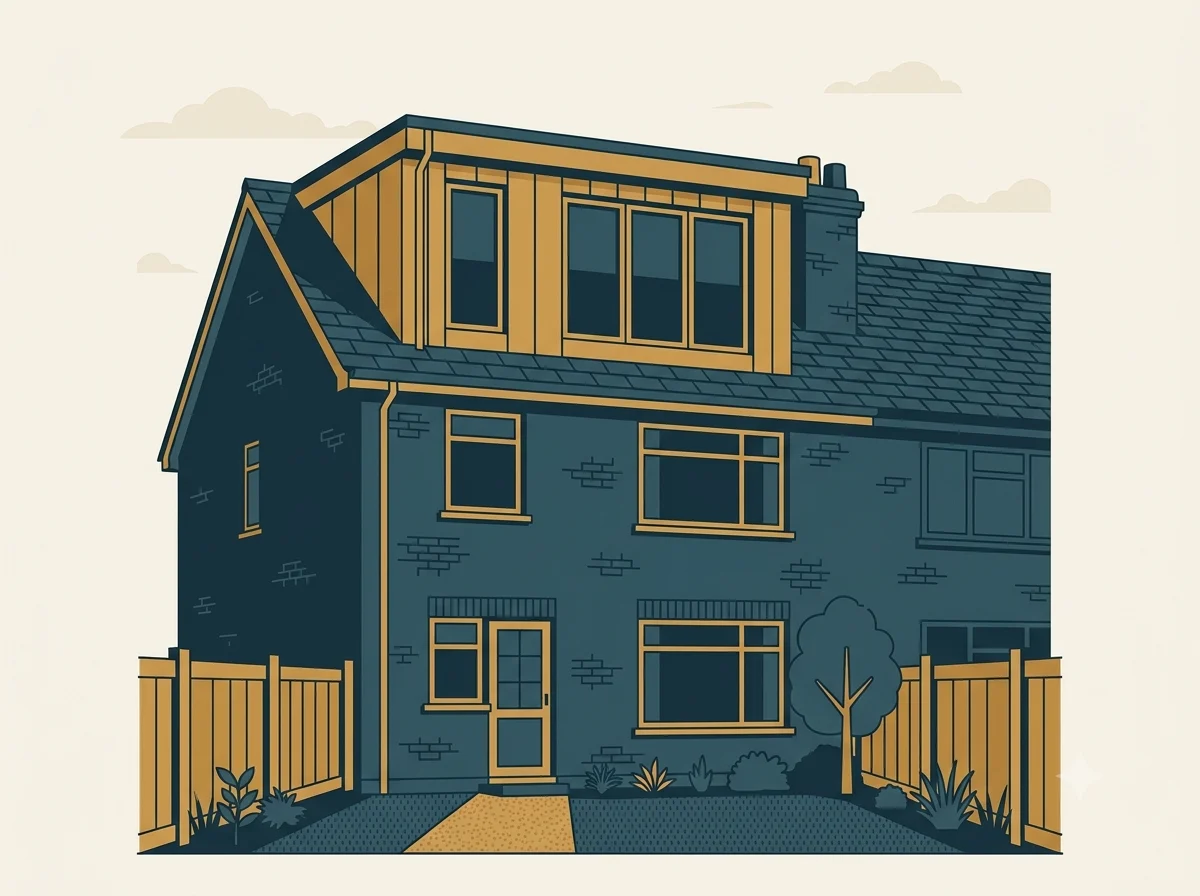
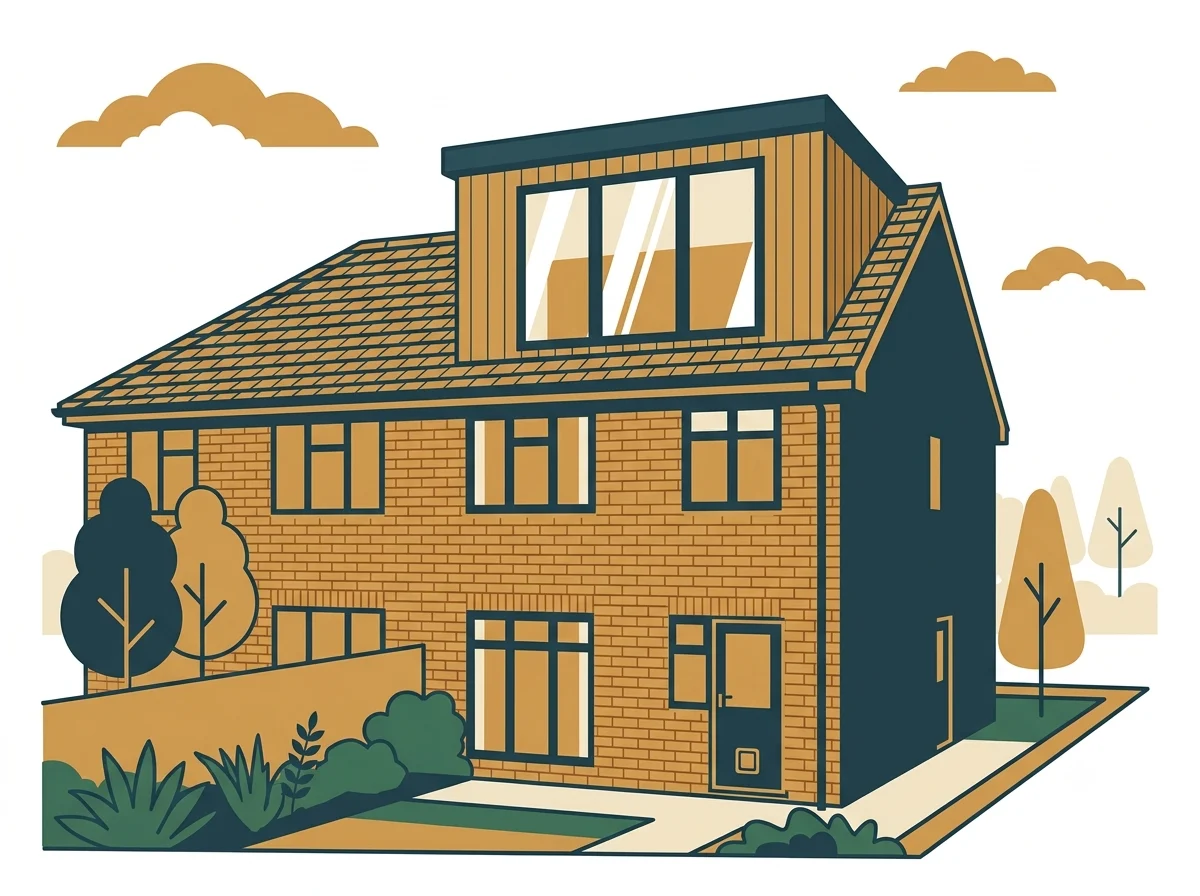
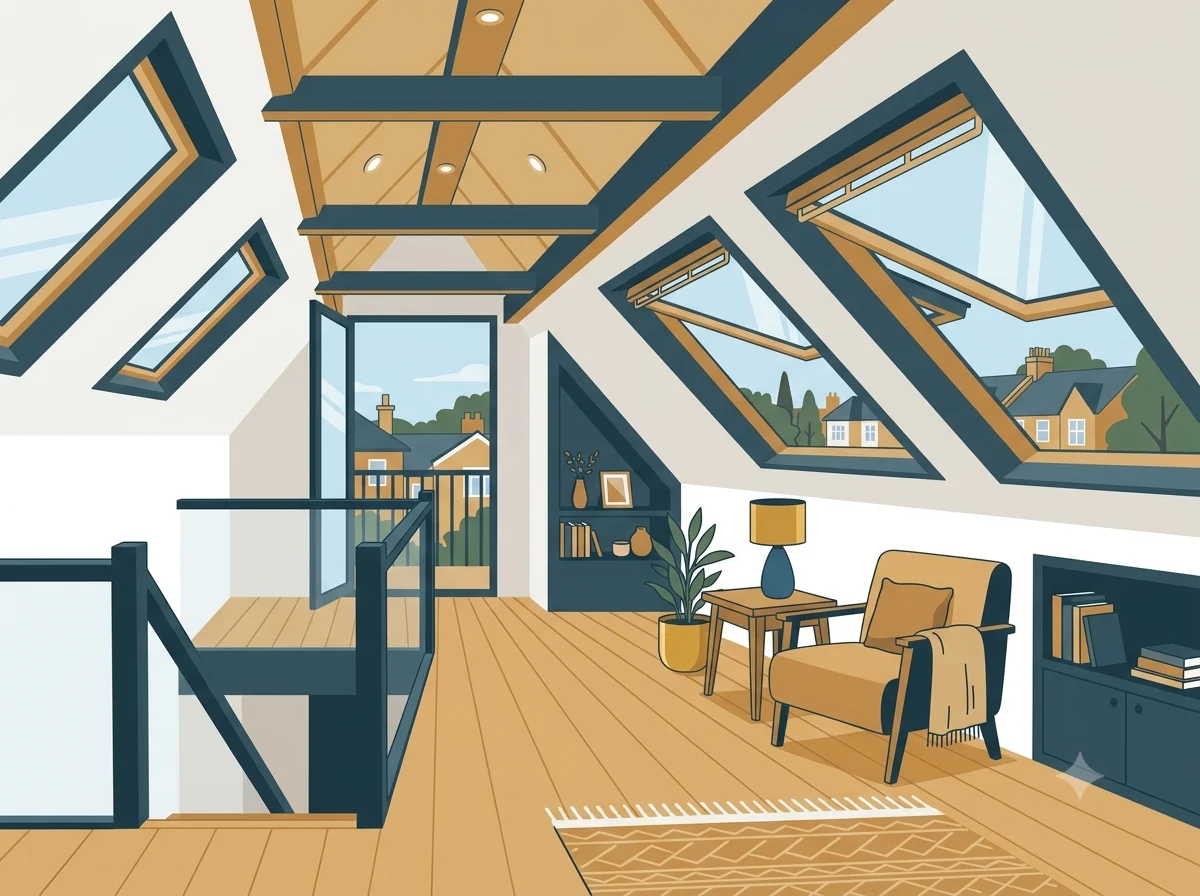
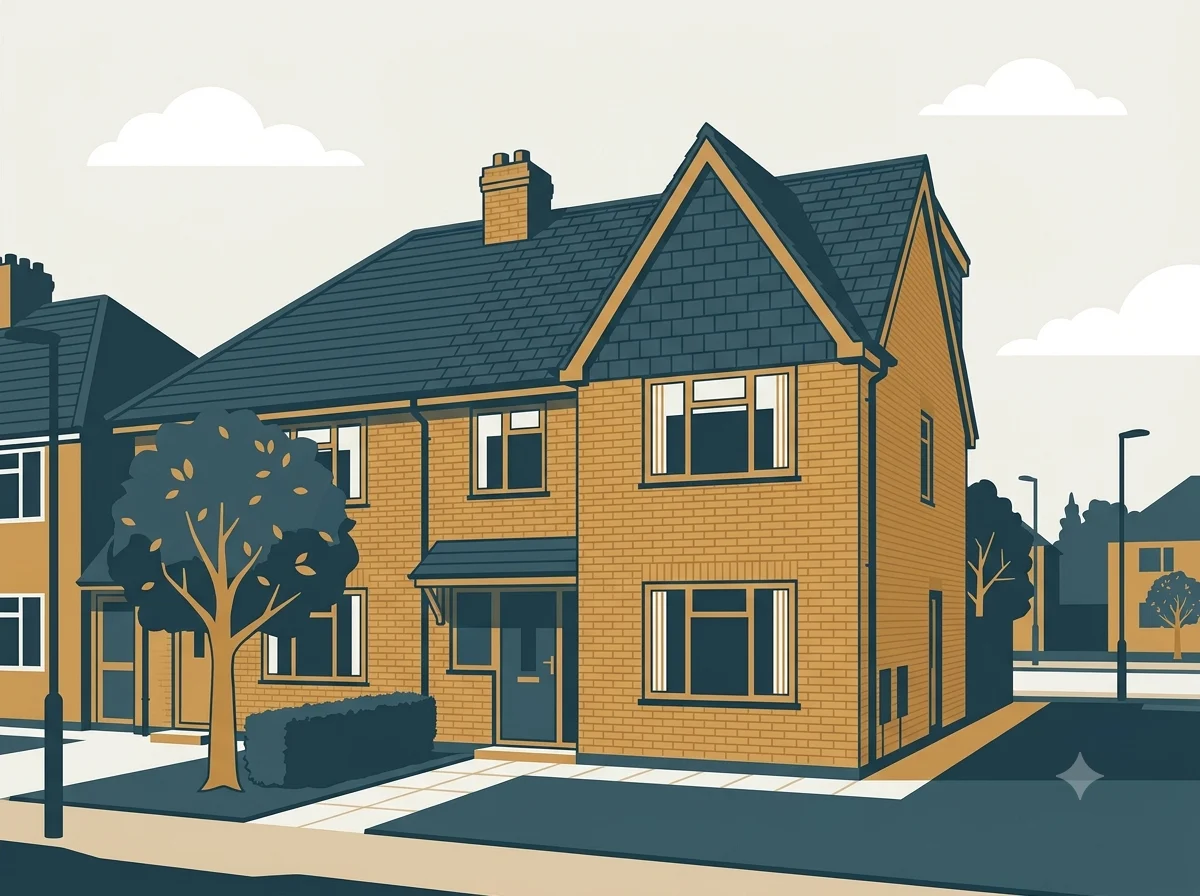
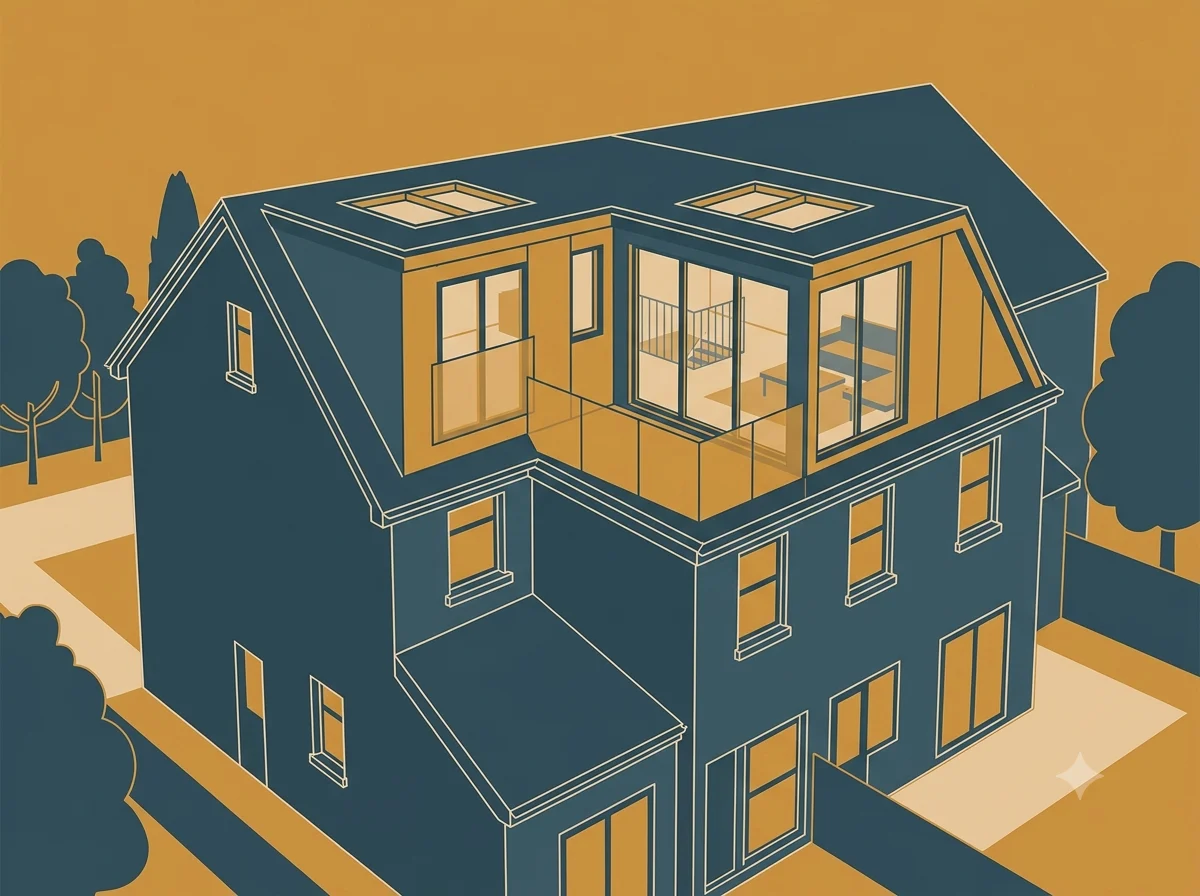
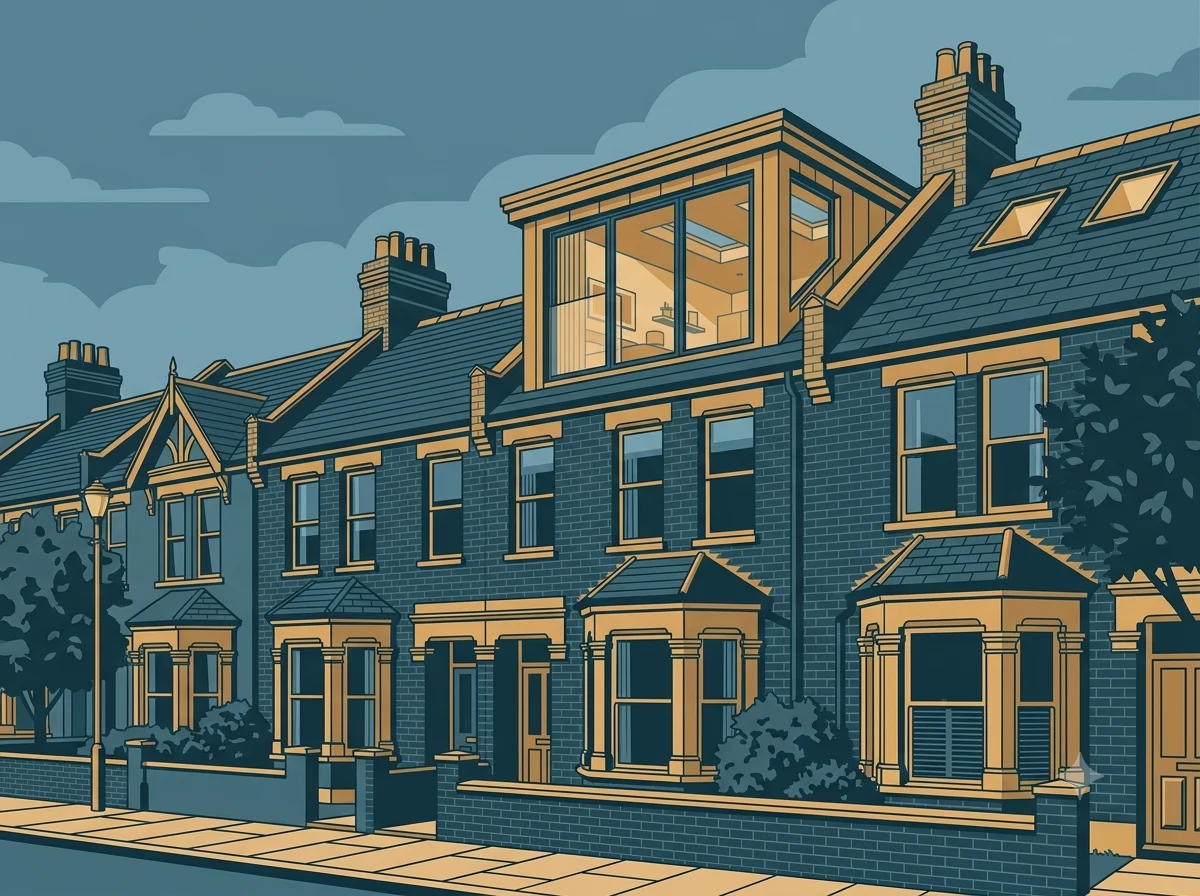
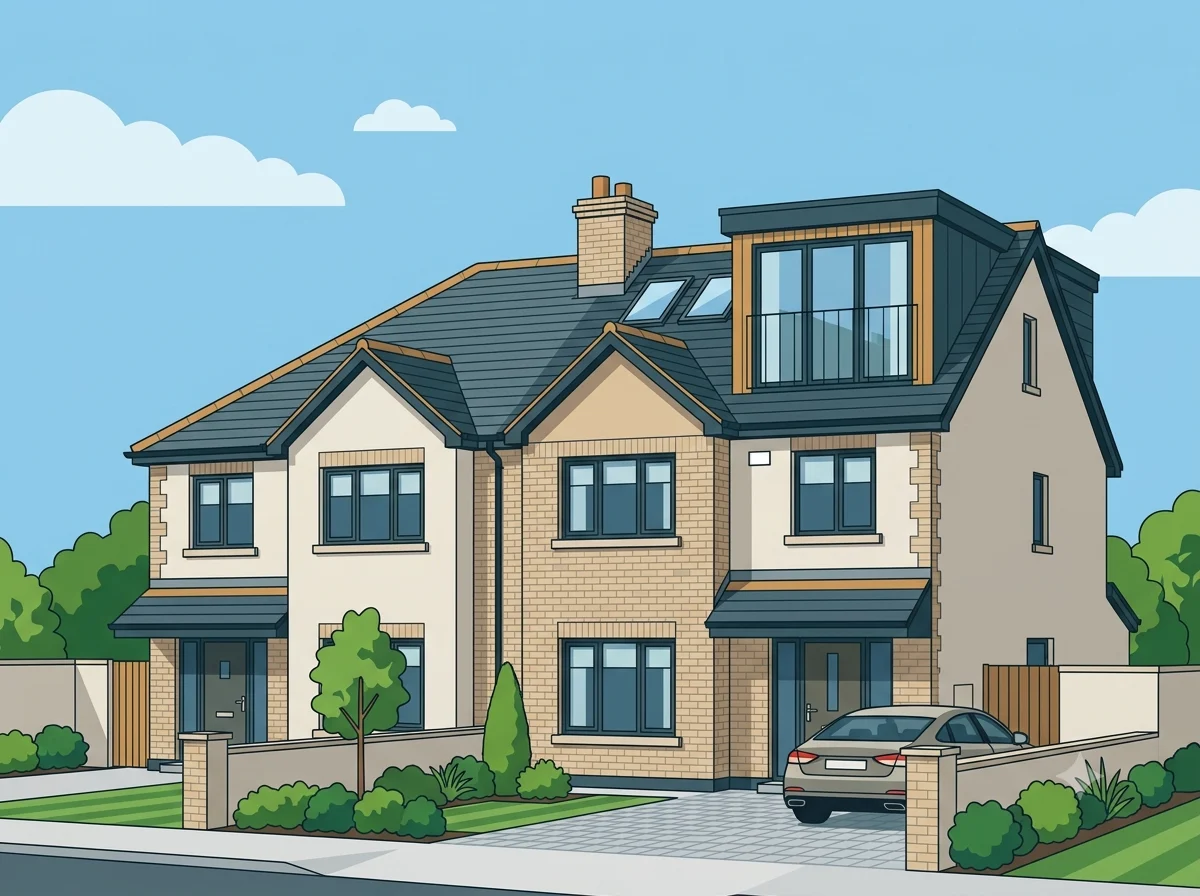
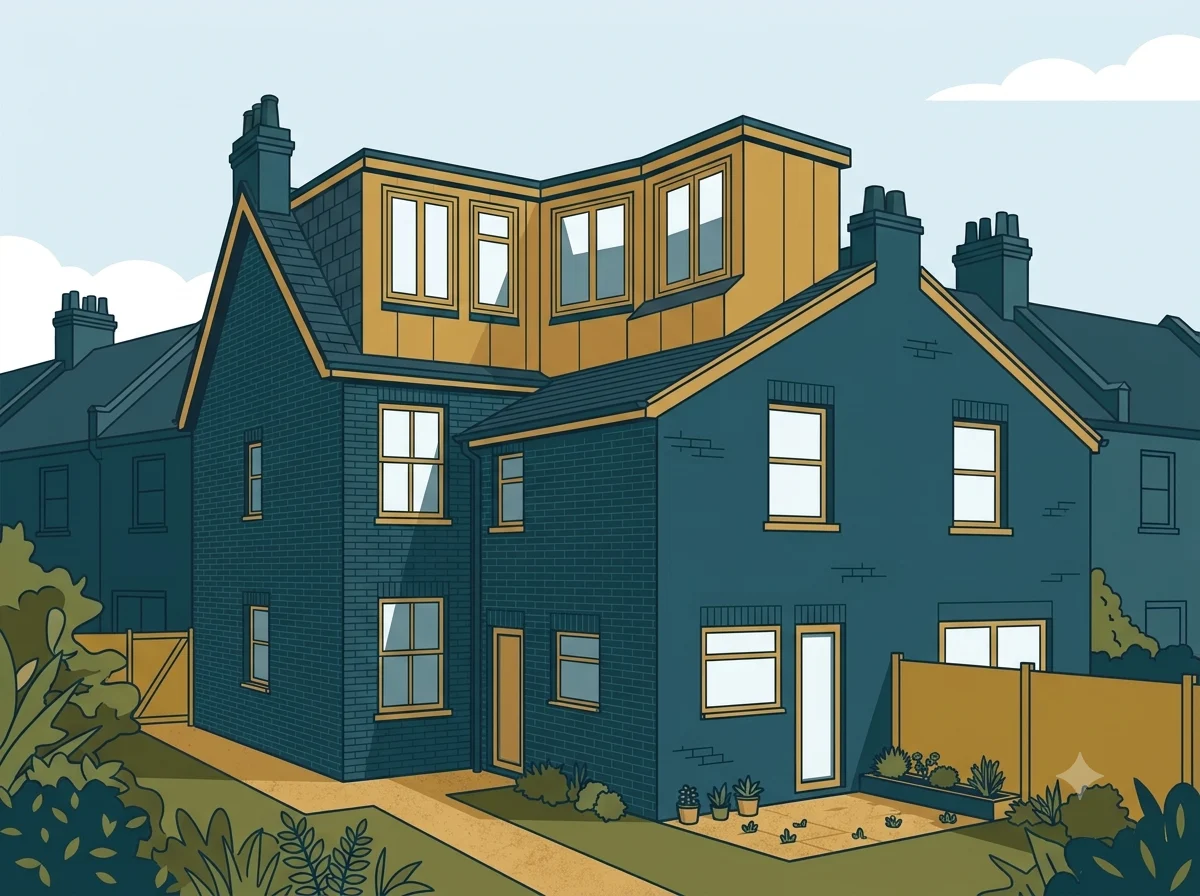
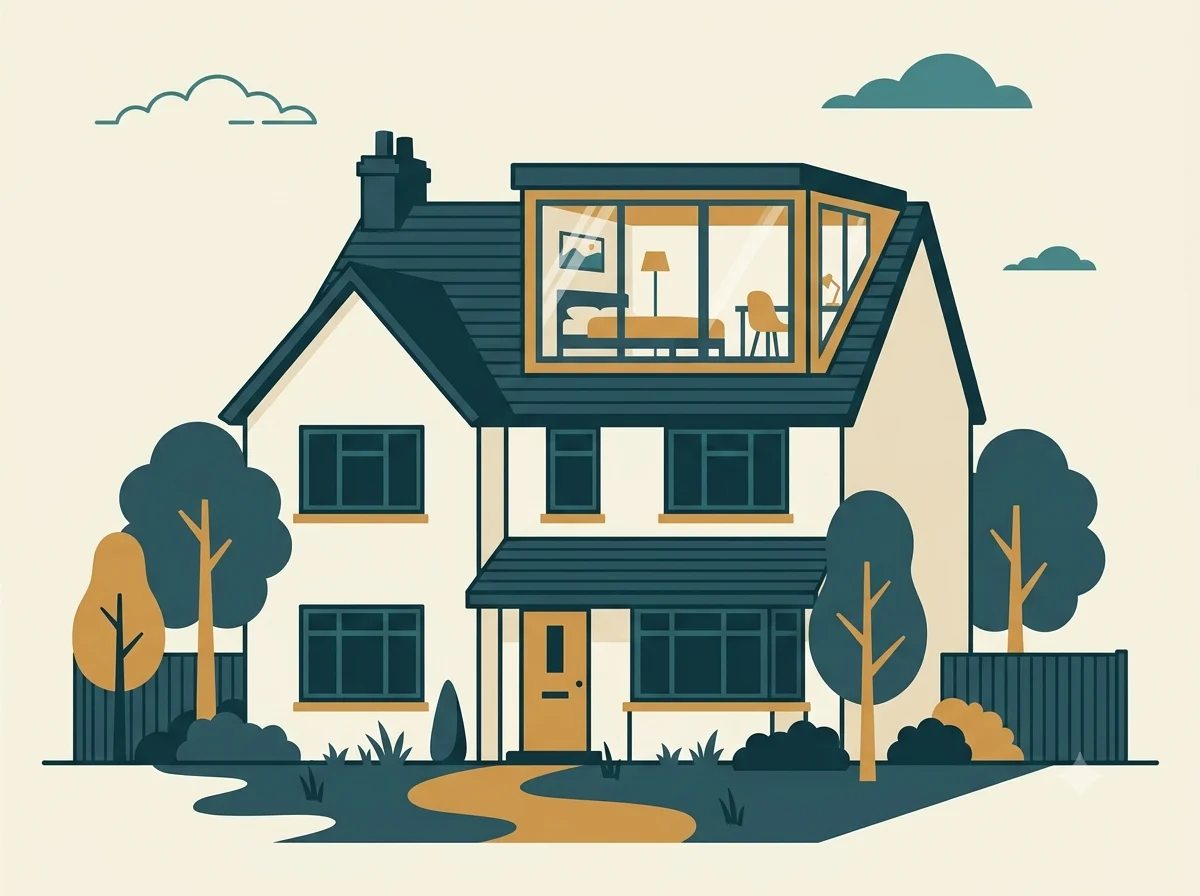
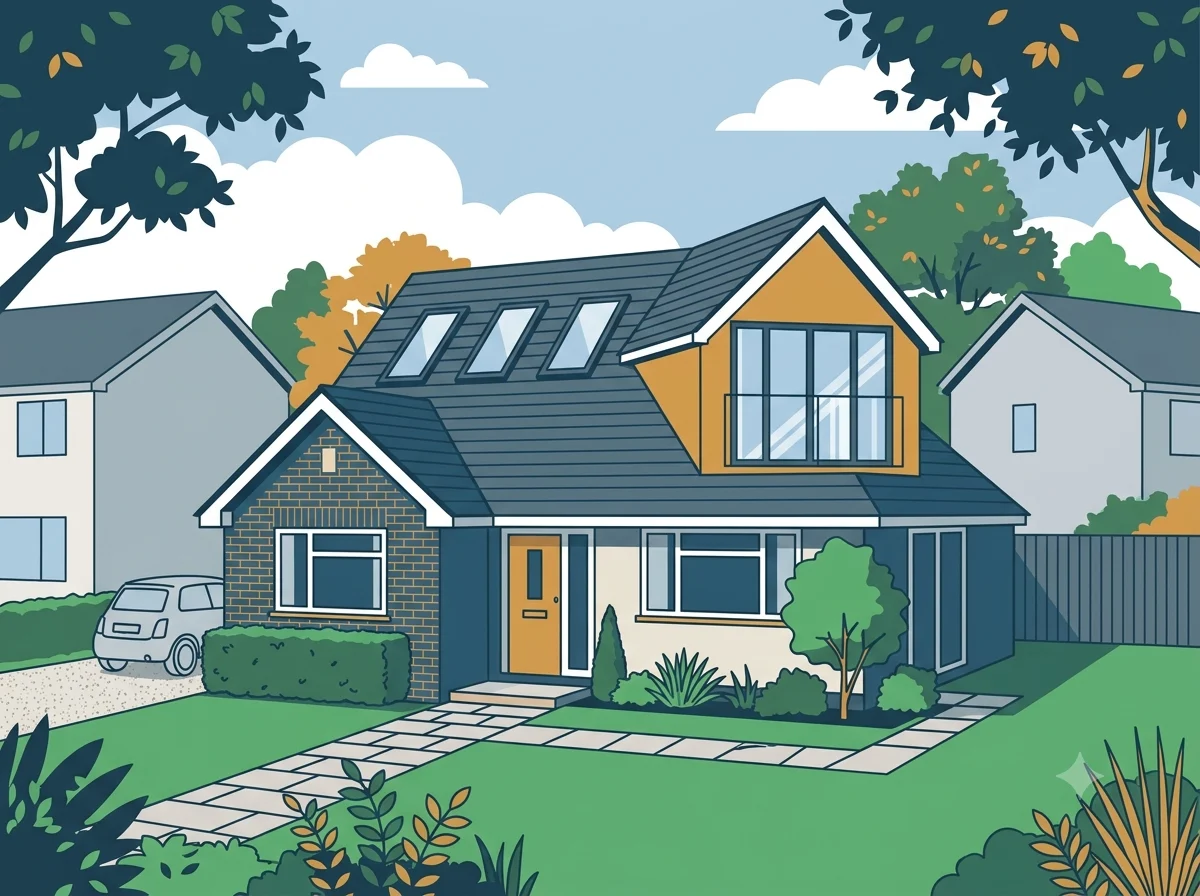
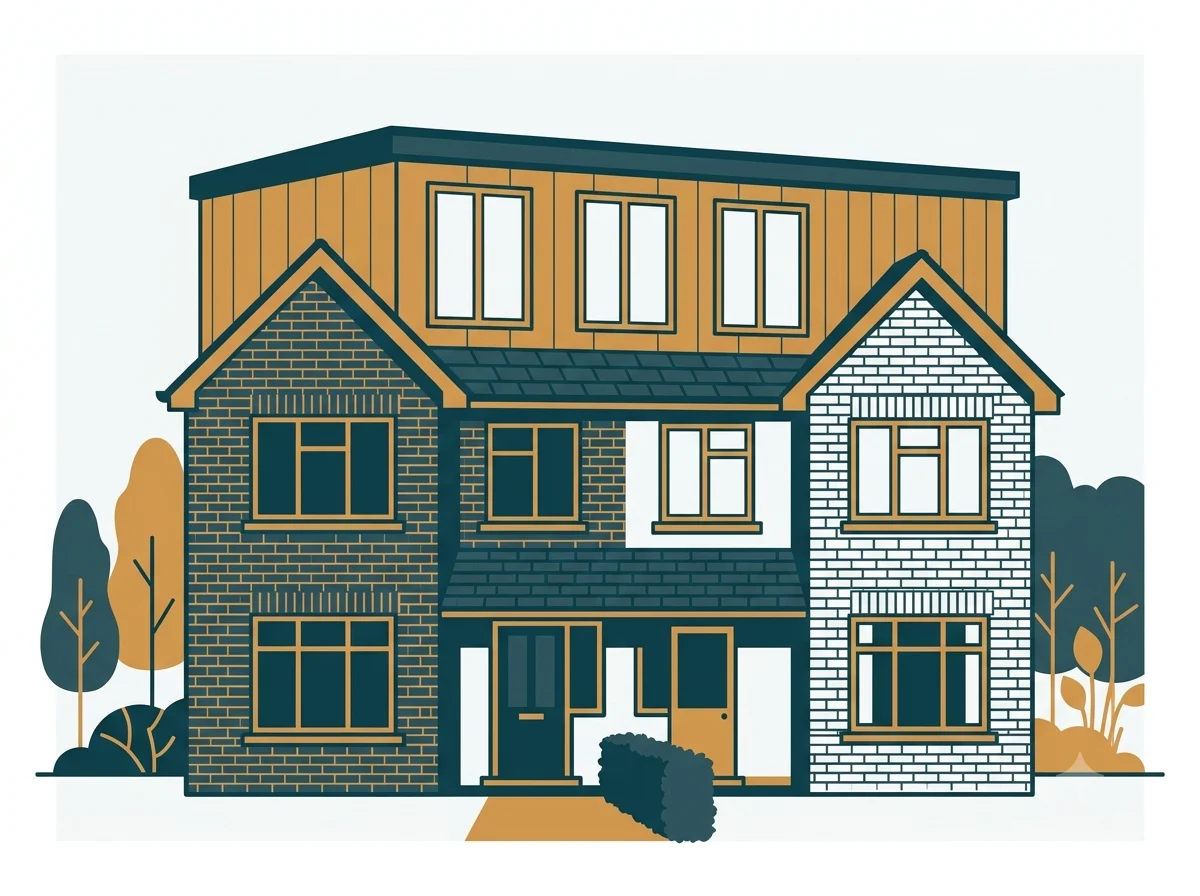
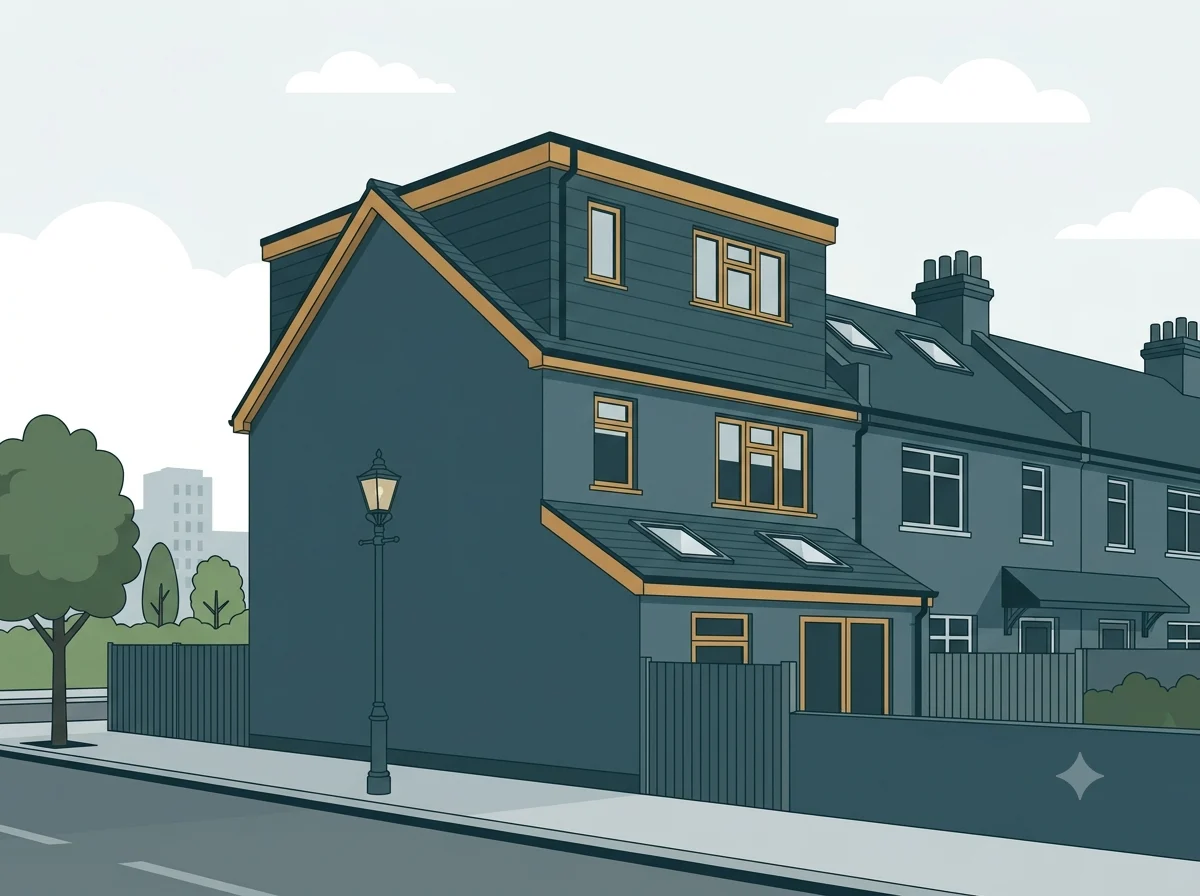
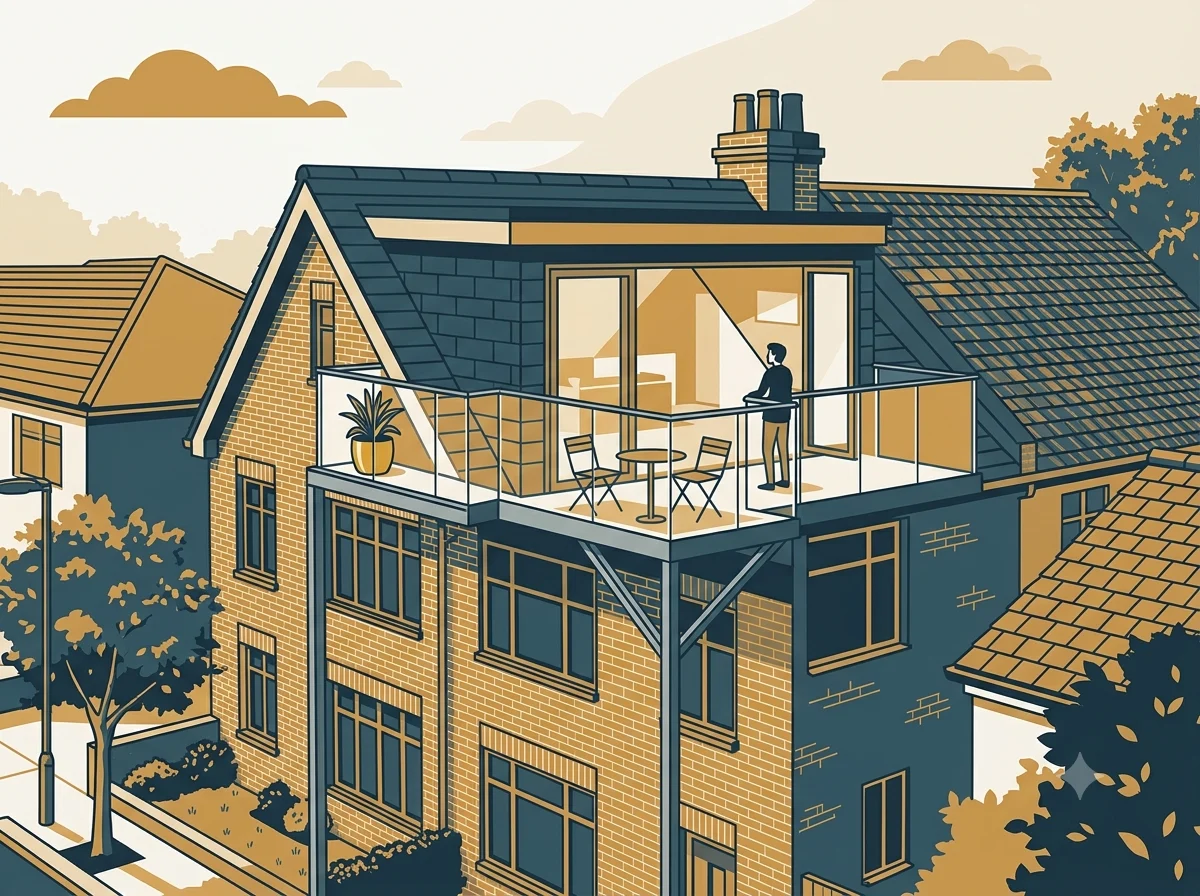
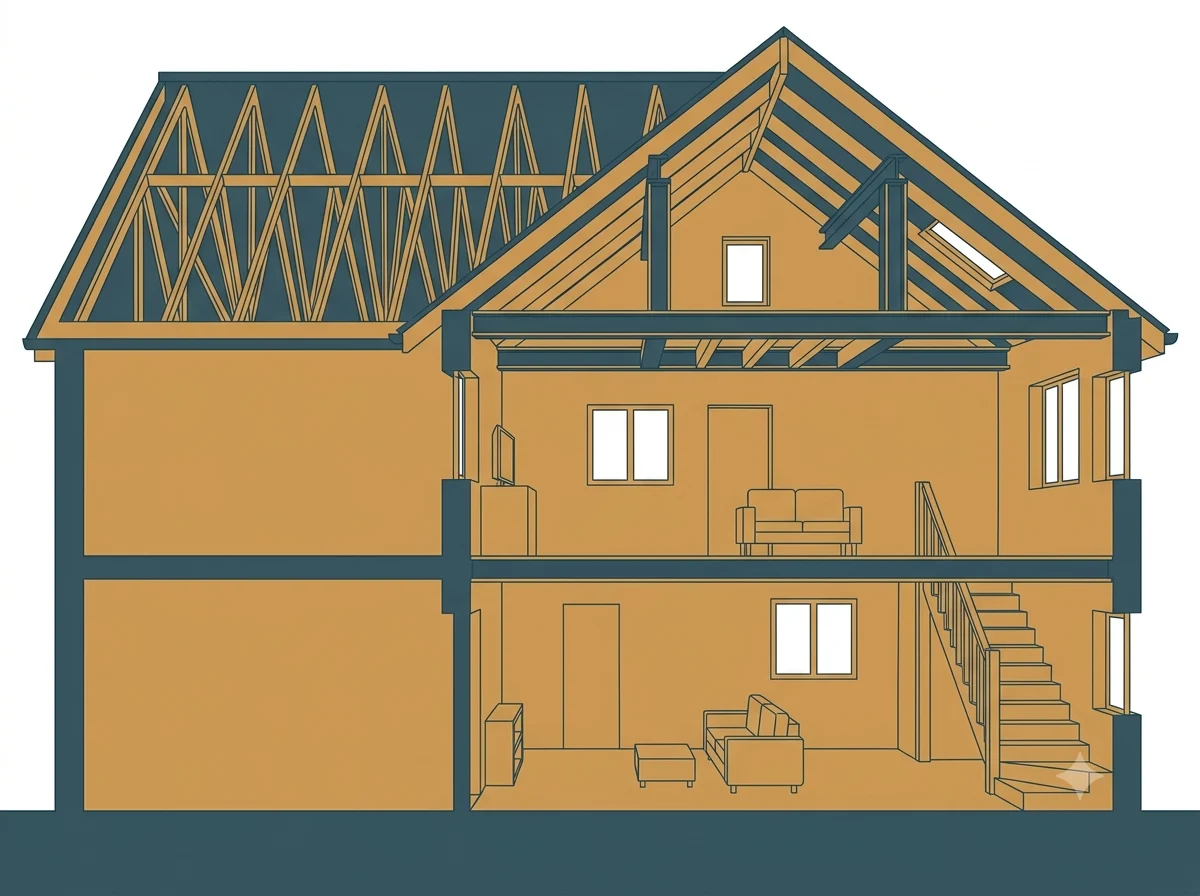
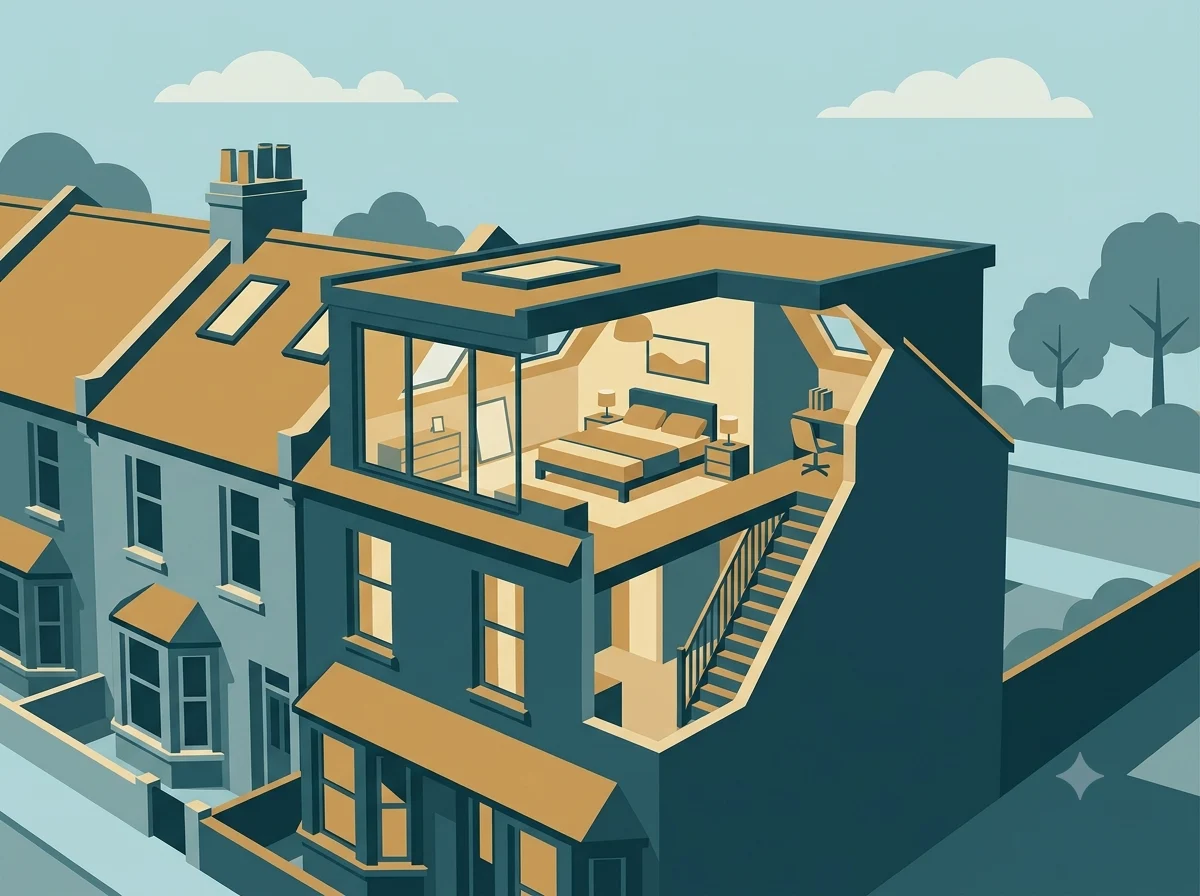
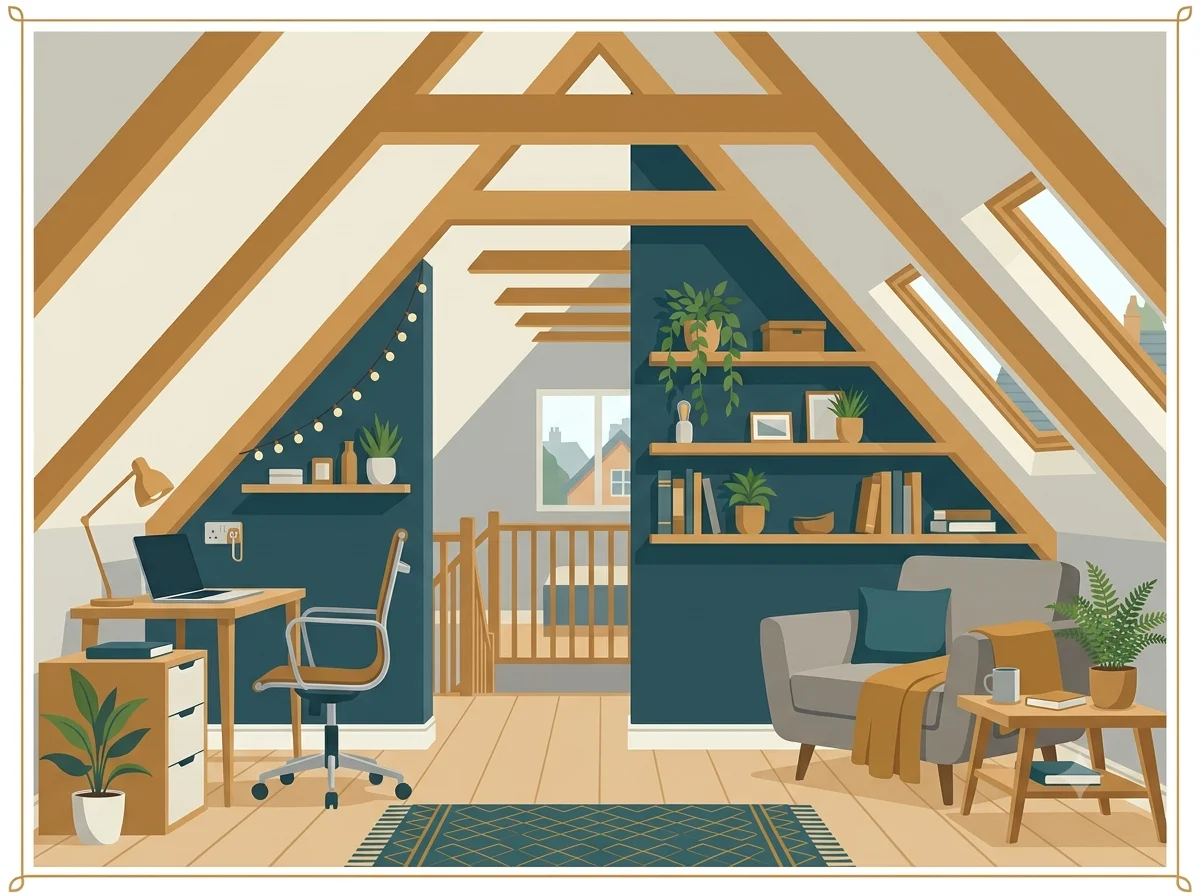
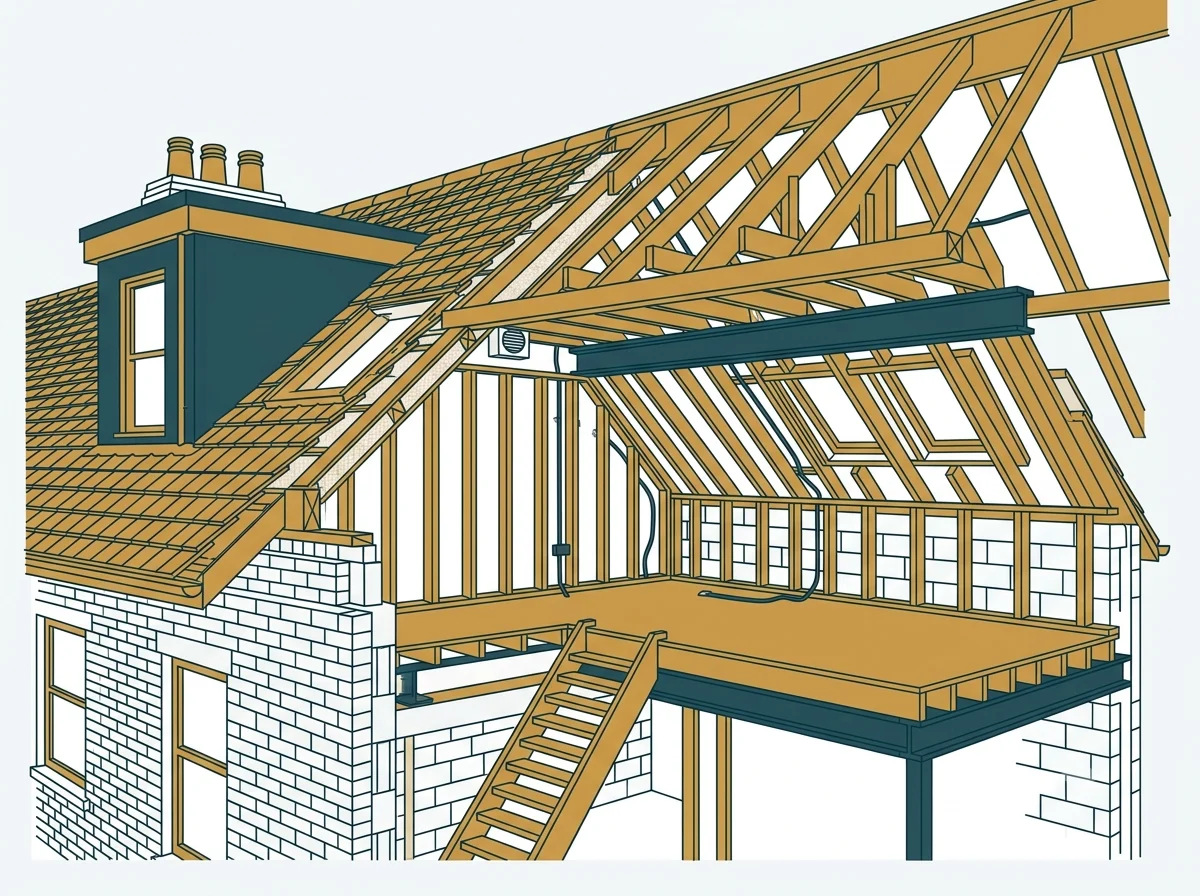
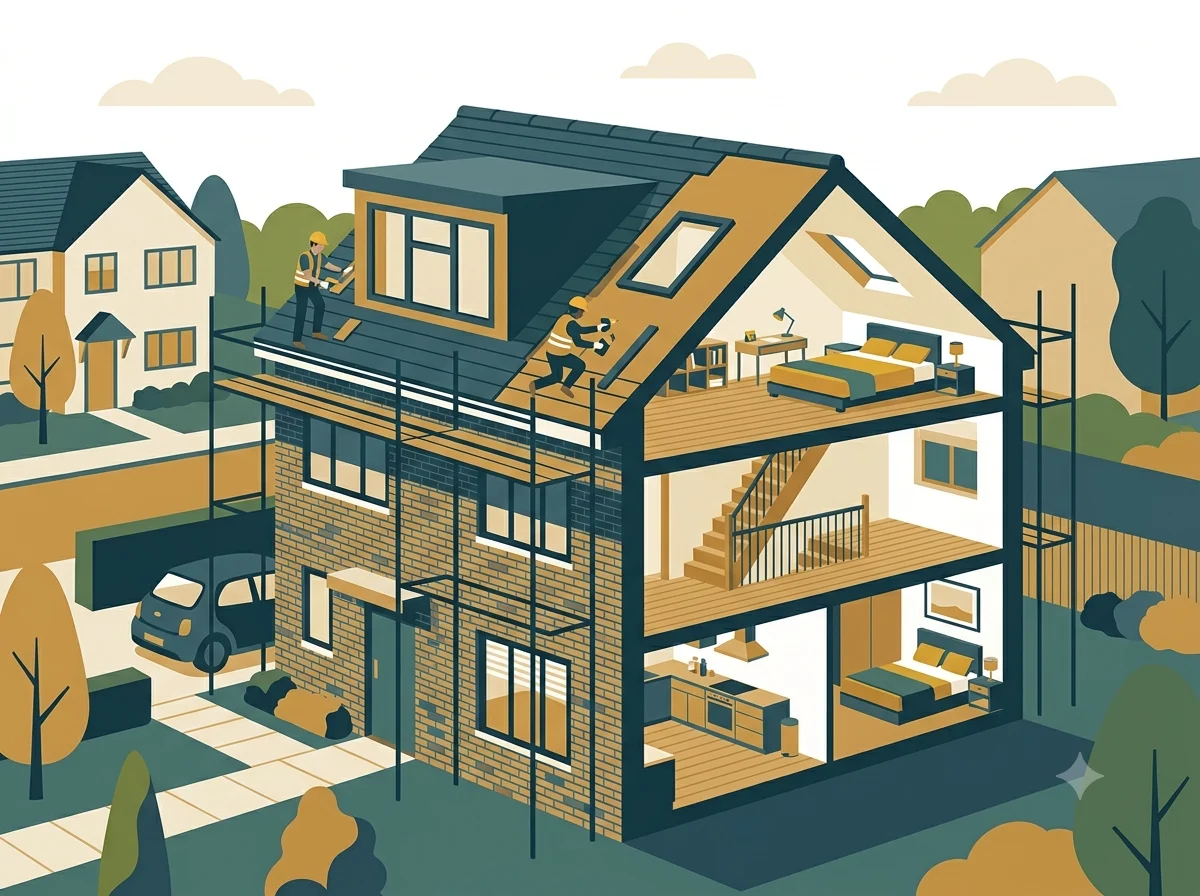
Whatever type of loft you have, there is a conversion to suit it. From dormer and mansard builds to bungalows and tricky low pitch roofs, LoftBuddy matches you with specialists experienced in your exact type of project.
Near by Areas we operate
Frequently asked questions (FAQ)
Do I need planning permission for a loft conversion in Greenford?
In most cases, no. Greenford is not covered by an Article 4 Direction, so a standard dormer or Velux loft conversion can usually go ahead under permitted development rights, as long as it stays within the volume and height limits set by Ealing Council. Larger mansard conversions, or homes in the Canalside Conservation Area, may still need a full application.
Does Article 4 apply to my street in Greenford?
No blanket Article 4 Direction currently applies in Greenford. Ealing Council's conservation area records confirm that the Canalside Conservation Area, which covers parts of Greenford, has no Article 4 Direction in place. It is still worth checking your specific address with Ealing Council before starting work.
What type of housing does Greenford have, and does it suit a loft conversion?
Greenford is mostly built up of 1930s semi detached houses, terraces and some bungalows, with pitched roofs that generally give good head height and volume for a loft conversion. This housing stock is one reason loft conversions are such a popular way to add space here rather than moving house.
How much does a loft conversion cost in Greenford?
Most loft conversions in Greenford fall between £25,000 and £60,000, depending on whether you go for a roof light conversion or a rear dormer. Hip to gable, which suits the 1930s semis, runs £50,000 to £75,000 on its own, or £65,000 to £90,000 combined with a dormer. Worth checking first whether you own a house or a flat, since the Greenford Broadway ward is more than half flats and a communal roof cannot normally be converted. A survey is the only way to get a real figure for your own house.
Which council handles loft conversion applications in Greenford?
Ealing Council's Planning and Building Control service deals with all planning applications and building regulations approvals for Greenford, since the town falls within the London Borough of Ealing.