
Loft Conversions in Ickenham
Ickenham City Information
Ickenham sits in the London Borough of Hillingdon, in the far west of the city where the underground network starts to feel almost rural. The Metropolitan and Piccadilly lines both stop at Ickenham station, so residents can reach Baker Street in around thirty eight minutes, yet the village still keeps a green, unhurried feel that many parts of outer London have lost.
The heart of the area is the old village around Swakeleys Road and the High Road, where the Old Pond and the Charlotte Gell water pump still stand at the junction with Long Lane. St Giles Church and the Grade I listed Swakeleys House, a seventeenth century mansion, sit close by and give the place a real sense of history.
Most of the housing was built after the Swakeleys estate was sold off in 1922, and estates such as Glebe Avenue and the wider Swakeleys Estate went up through the 1930s. This means a lot of homes here have decent sized roof voids, which is one reason loft conversions are so popular with families wanting more room without moving.
Swakeleys Park, Ickenham Marsh nature reserve and the Yeading Brook all sit within easy walking distance, and Ruislip Woods is a short drive away. For a place inside Greater London, Ickenham still feels like a village, and that character shapes almost everything about how homes here get extended and improved.
Cost Range
- Loft conversion costs in Ickenham run above the national average, as they do across Hillingdon and the rest of London. As a rough guide, expect £1,500 to £2,500 per square metre for a good standard of finish. A simpler specification can come in nearer £1,300 per square metre.
- The type of conversion your roof will take is what moves the price most.
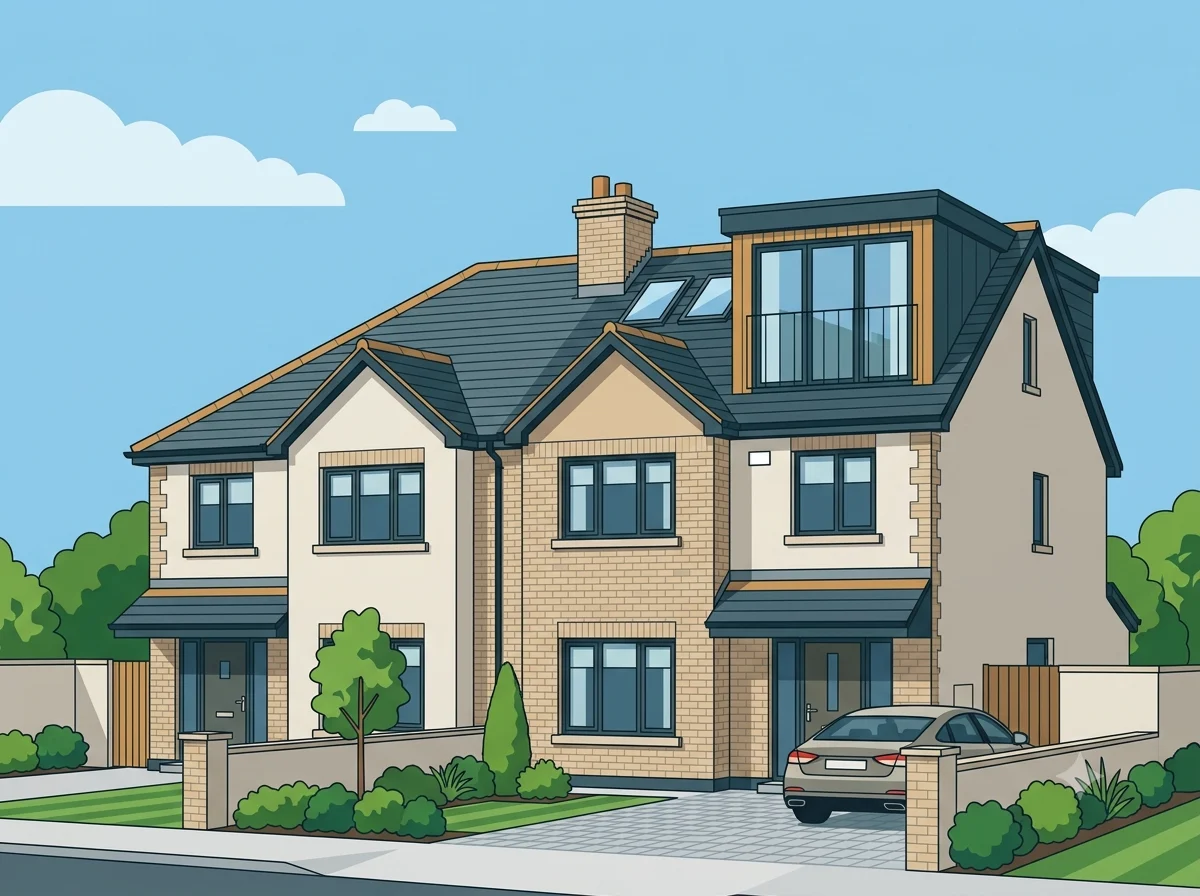
- A roof light or Velux conversion is the cheapest at around £25,000 to £40,000, because the shape of the roof does not change.
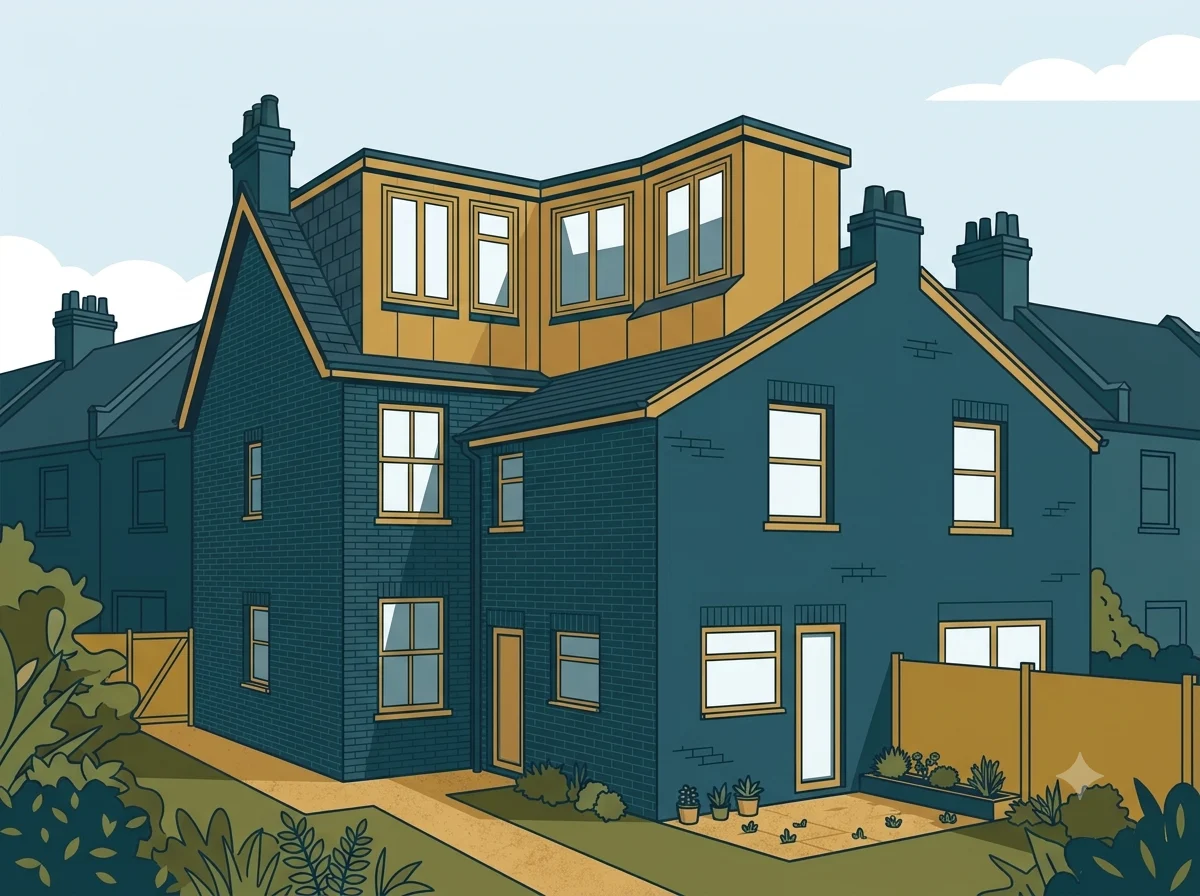
- A rear dormer usually falls between £40,000 and £60,000.
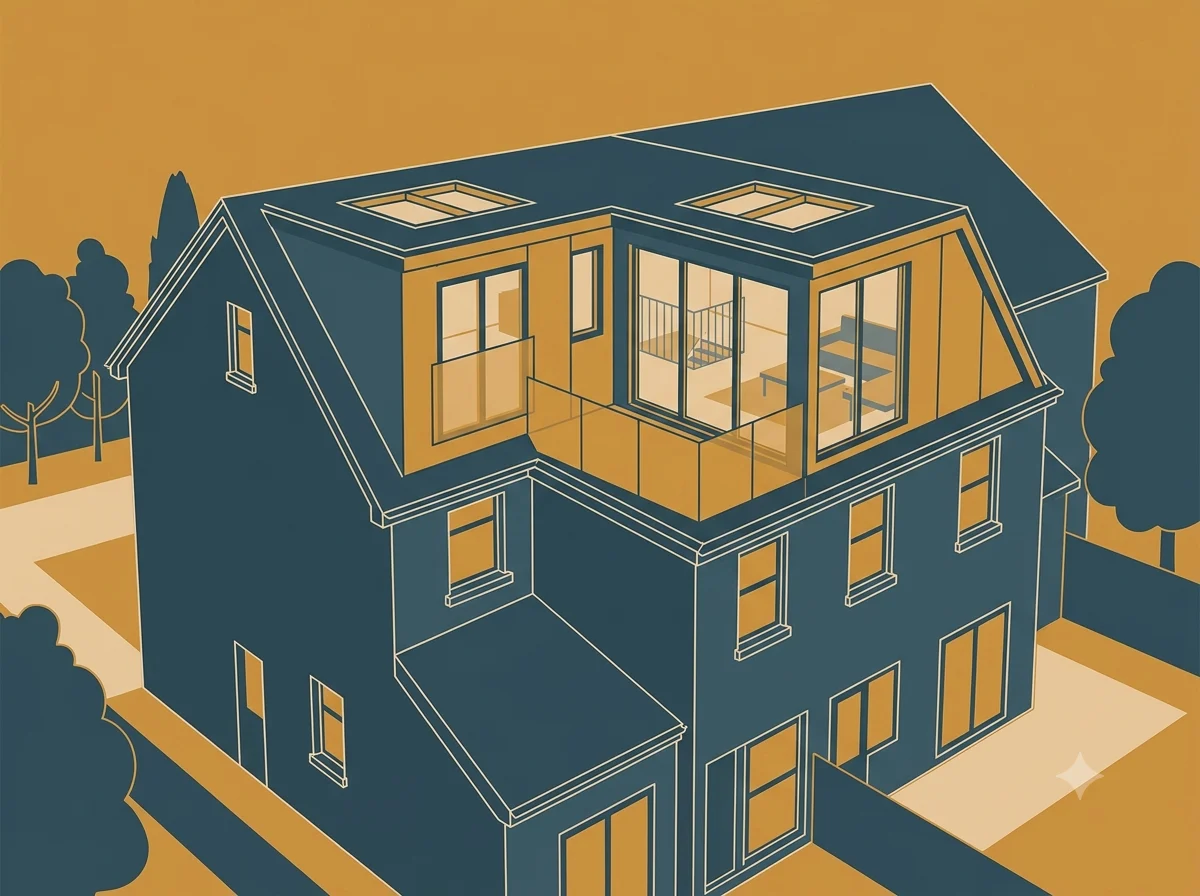
- Hip to gable is a common choice on the 1930s semis along roads like Glebe Avenue and Burnham Avenue, which were built with hipped roofs that slope inwards on all four sides. On its own it runs £50,000 to £75,000. Combined with a rear dormer in the same job, expect £65,000 to £90,000.
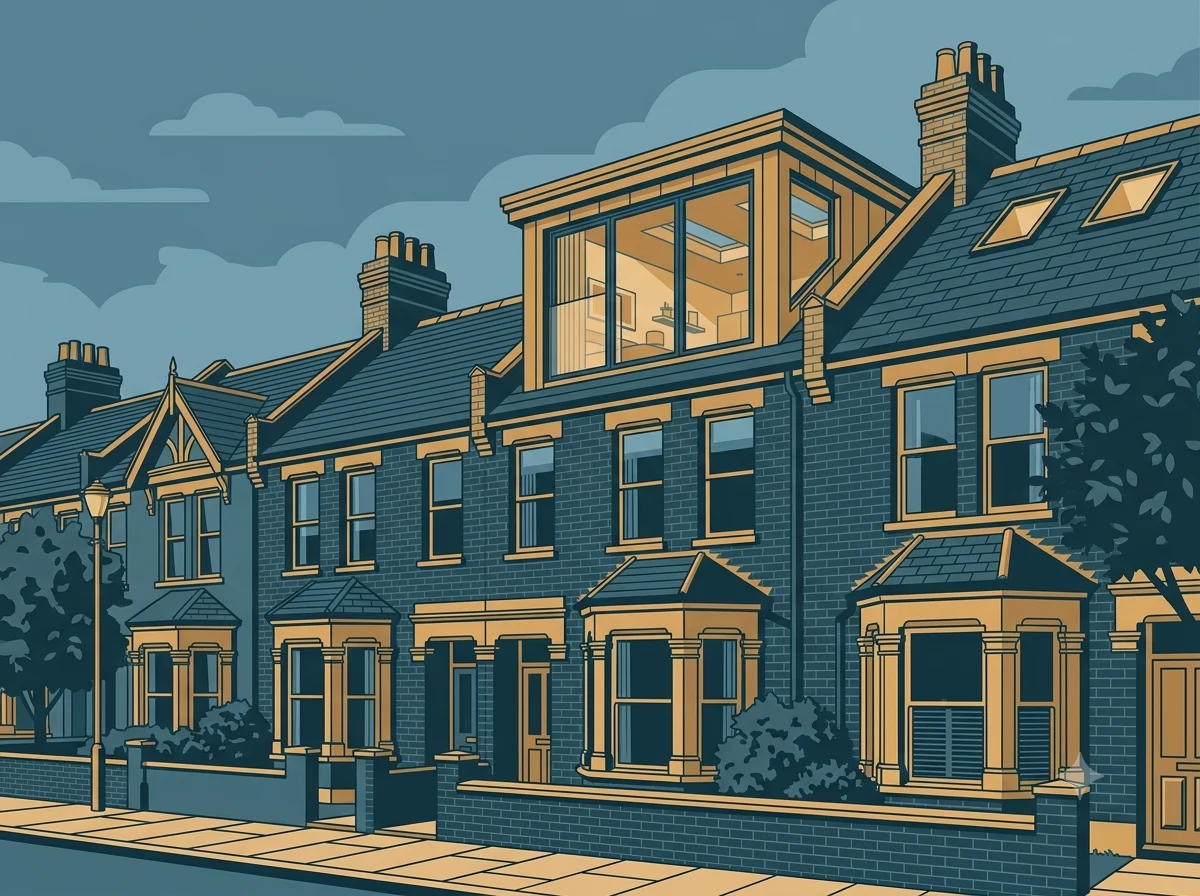
- A mansard costs the most at £60,000 to £95,000, though Ickenham has few of the older terraces that suit one.
- Ickenham has an unusual housing mix, and it works in your favour. Around 45 percent of homes here are detached and another 40 percent are semi detached, with only about 5 percent terraced and 9 percent flats. A detached house gives you the full 50 cubic metre allowance, no shared wall on either side to worry about, and more freedom over where the stairs and the dormer go. North Ickenham in particular has larger detached houses on bigger plots, and those jobs tend to land at the upper end of the ranges above, simply because there is more roof to work with.
- If your home sits inside the Ickenham Village Conservation Area, around Swakeleys Road, the High Road and Austins Lane, budget more and allow longer. You will need full planning permission, and the council will want a design that suits the older part of the village.
- These are guide figures and not a quote. Roof size, access and the state of the existing structure all change the final number.
Planning Notes
Planning applications and enquiries for Ickenham are handled by Hillingdon Council, through its Planning and Building Control service, based at the Civic Centre on High Street in Uxbridge.
For most houses, a loft conversion counts as permitted development, meaning you do not need to apply for planning permission as long as you stay within set limits. Under the national rules that Hillingdon Council applies, a terraced house is allowed up to 40 cubic metres of extra roof space, while a detached or semi detached house is allowed up to 50 cubic metres. The new roof cannot be higher than the highest part of the existing roof, materials must match the look of the house, and any side facing windows must be obscure glazed where they overlook a neighbour.
These permitted development rights do not apply everywhere in Ickenham, though. Hillingdon Council has designated the Ickenham Village Conservation Area, covering the historic core around Swakeleys Road, Long Lane and Austins Lane, and national planning law removes some permitted development rights inside conservation areas by default. Council planning records also show Article 4 directions have been used on individual streets and plots in Ickenham to guard against the overdevelopment of gardens and larger sites.
Because rules can differ from one street to the next, it is always worth asking Hillingdon Council’s planning team, or a local loft conversion company who knows the area, to check your specific address before any design work begins.
Article Notes
Article 4 directions remove some permitted development rights, so a full planning application is needed even for work that would normally be allowed without one. In Ickenham, the clearest example is the Ickenham Village Conservation Area, which covers the historic centre of the village around Swakeleys Road, the High Road and Austins Lane. The conservation area was extended in 2008 to bring in land around Austins Lane, which shows how closely Hillingdon Council watches over this part of Ickenham. Council planning records also point to Article 4 directions being used on individual streets and plots in Ickenham to stop gardens and larger sites being overdeveloped, separate from the conservation area itself. Because these directions can apply to a single road, or even a single property, rather than the whole of Ickenham, the safest approach is to check your exact address with Hillingdon Council's Planning and Building Control service, or ask your loft conversion company to do this for you before any design work is commissioned.
Types of Houses in Ickenham
Ickenham's housing dates mostly from after 1922, when the Swakeleys estate was sold and building began in earnest. Streets such as Glebe Avenue, Burnham Avenue and Hoylake Crescent are lined with 1930s semi detached and detached houses, many with generous gardens and off street parking, built as London's suburbs pushed further west along the railway. Closer to the historic village centre, around Swakeleys Road and the High Road, older period cottages survive from before the estate was broken up, giving that part of Ickenham a more traditional, village like feel. North Ickenham has larger detached houses on bigger plots, while newer developments, including flats and townhouses built on the former USAF base at Ickenham Park, have added more contemporary housing stock in recent decades. This mix of periods is one reason loft conversion designs vary so much from street to street here.
Highlights
- Ickenham station, on the Metropolitan and Piccadilly lines
- West Ruislip station, on the Central line and the Chiltern Main Line
- The Pump, the village landmark near the junction of Swakeleys Road and Long Lane, installed in 1866 under the terms of Charlotte Gell’s will and restored in 2004
- Swakeleys House, a Jacobean mansion built of brick in 1638 and Grade I listed in 1956
- The head gardener’s cottage at Swakeleys Road and The Avenue, Grade II listed in 1959
- St Giles church, whose nave and chancel date from 1335, with a 15th century bell turret and a brick aisle added in 1575
- Ickenham Green
- Swakeleys Park, with its lake, outdoor gym and tennis courts, and the stone obelisk marking the Diamond Jubilee of Elizabeth II, opened in September 2012
- Ickenham Marsh nature reserve
- Yeading Brook
- The Ickenham Village Conservation Area, extended in 2008 to take in land around Austins Lane
- Shops along the High Road and Long Lane
- The Coach and Horses, the Tichenham Inn and the Fox and Geese
- The Compass Theatre
- Ickenham Library
- Primary schools including Breakspear, Breakspear Junior and Glebe
- Secondary schools including Vyners School, The Douay Martyrs School and Pentland Field School
- The U1 and U10 bus routes
- The UB10 postcode, with an Uxbridge post town address
Loft Conversion Type We Offer in Ickenham
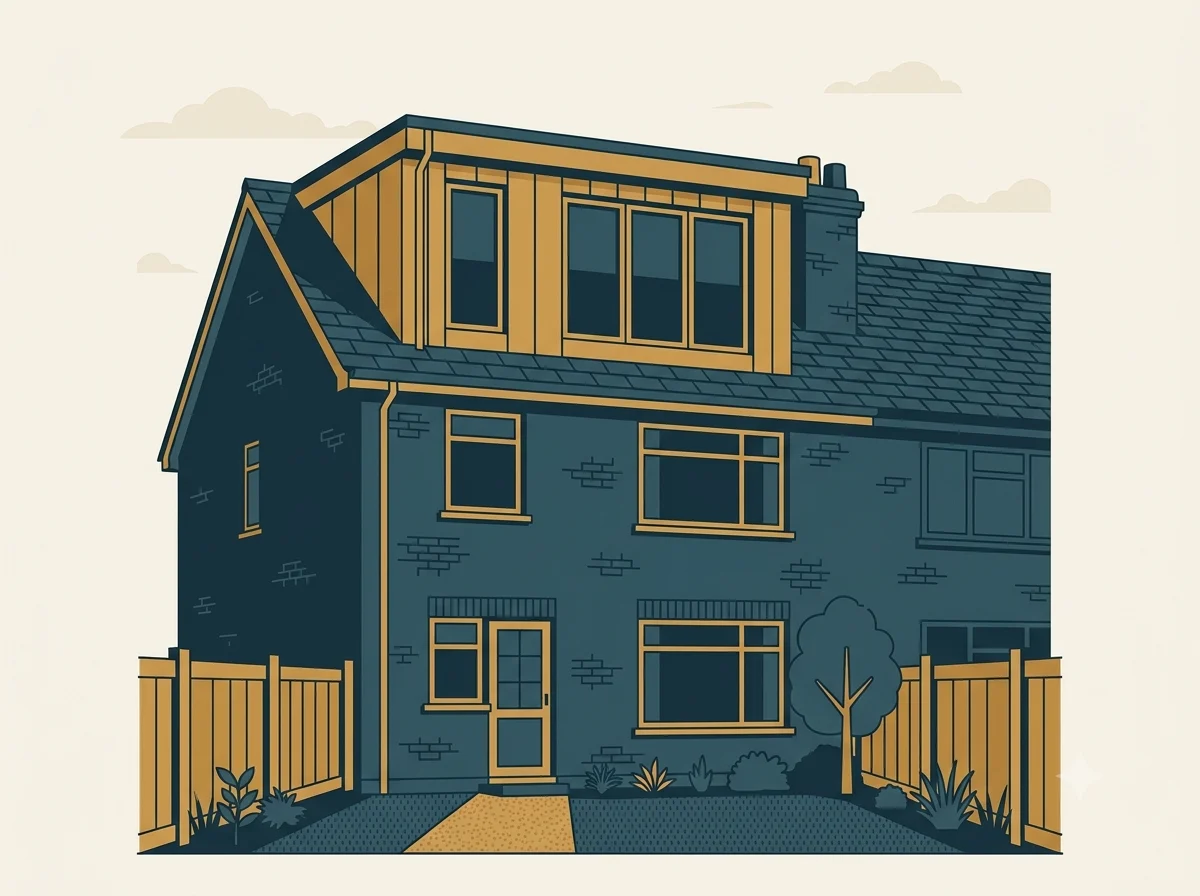
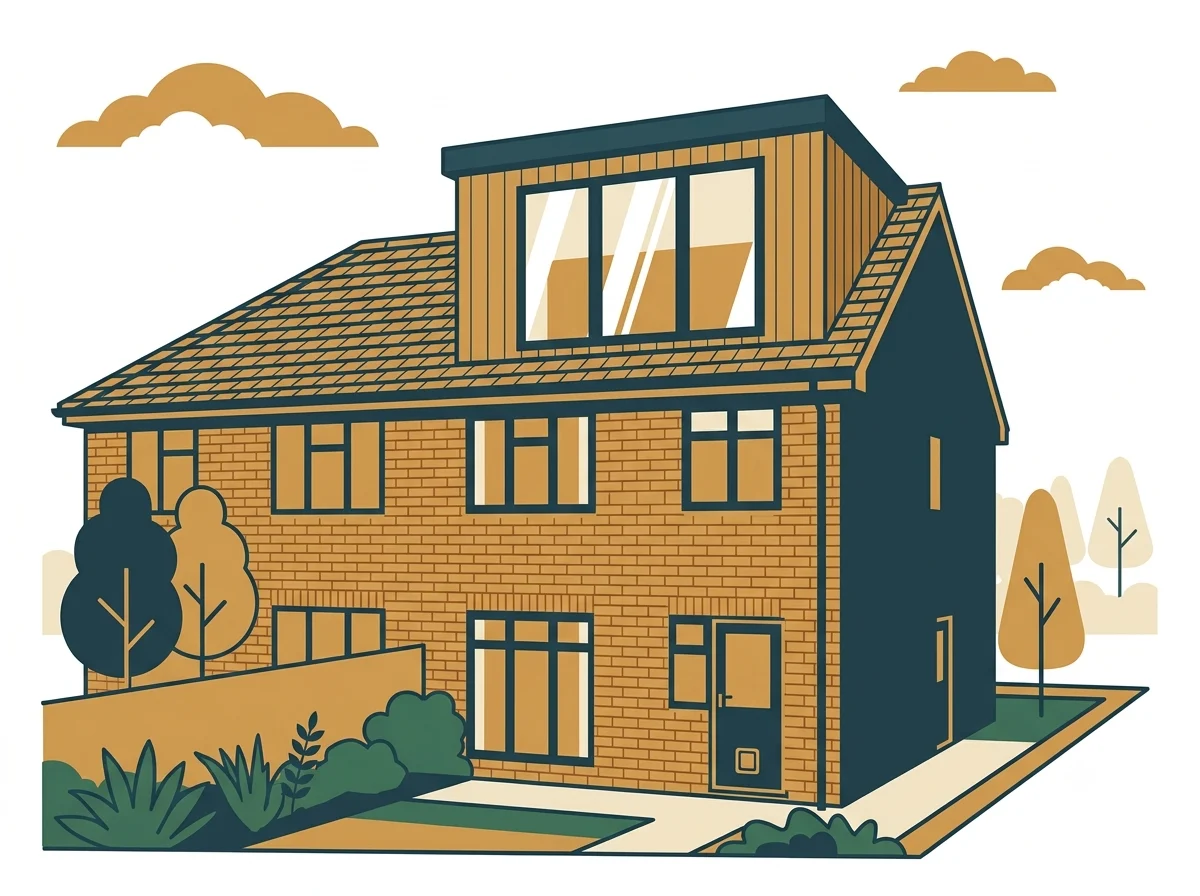
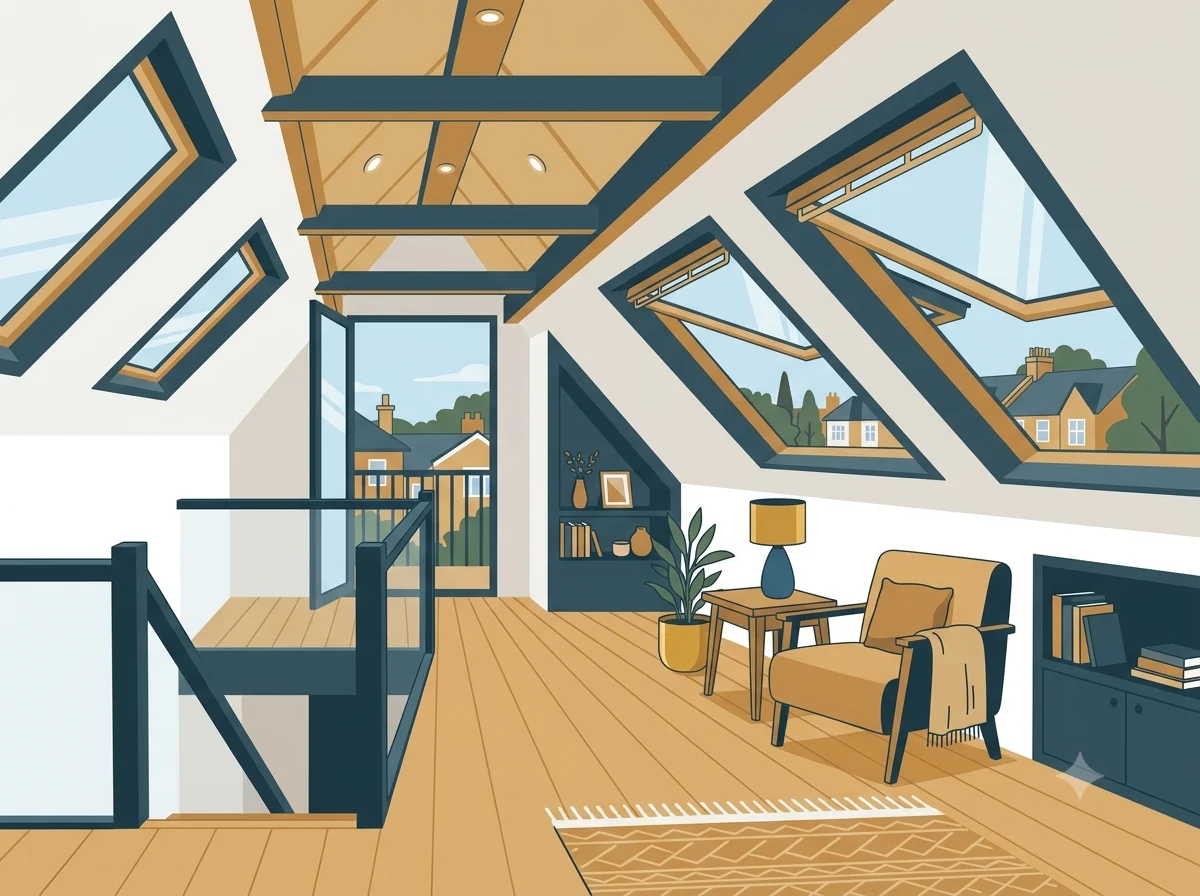
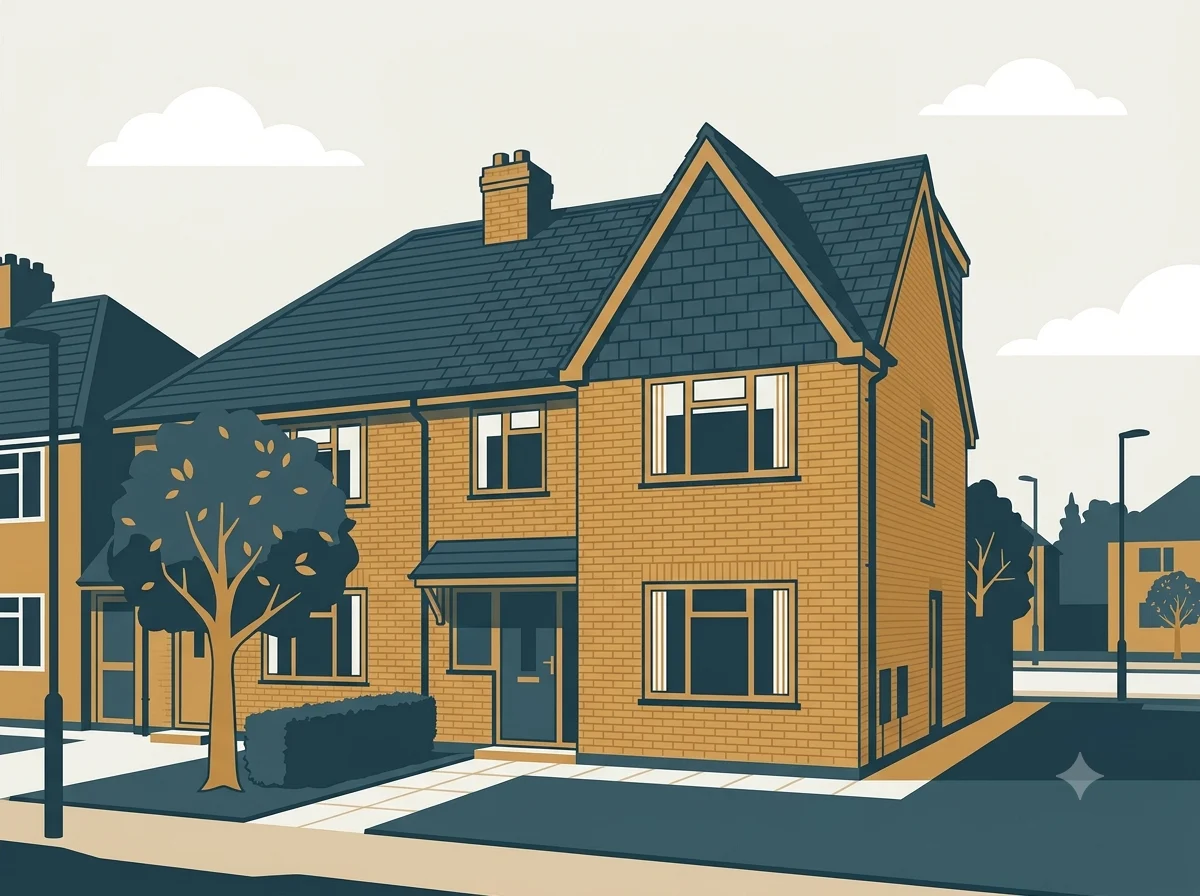
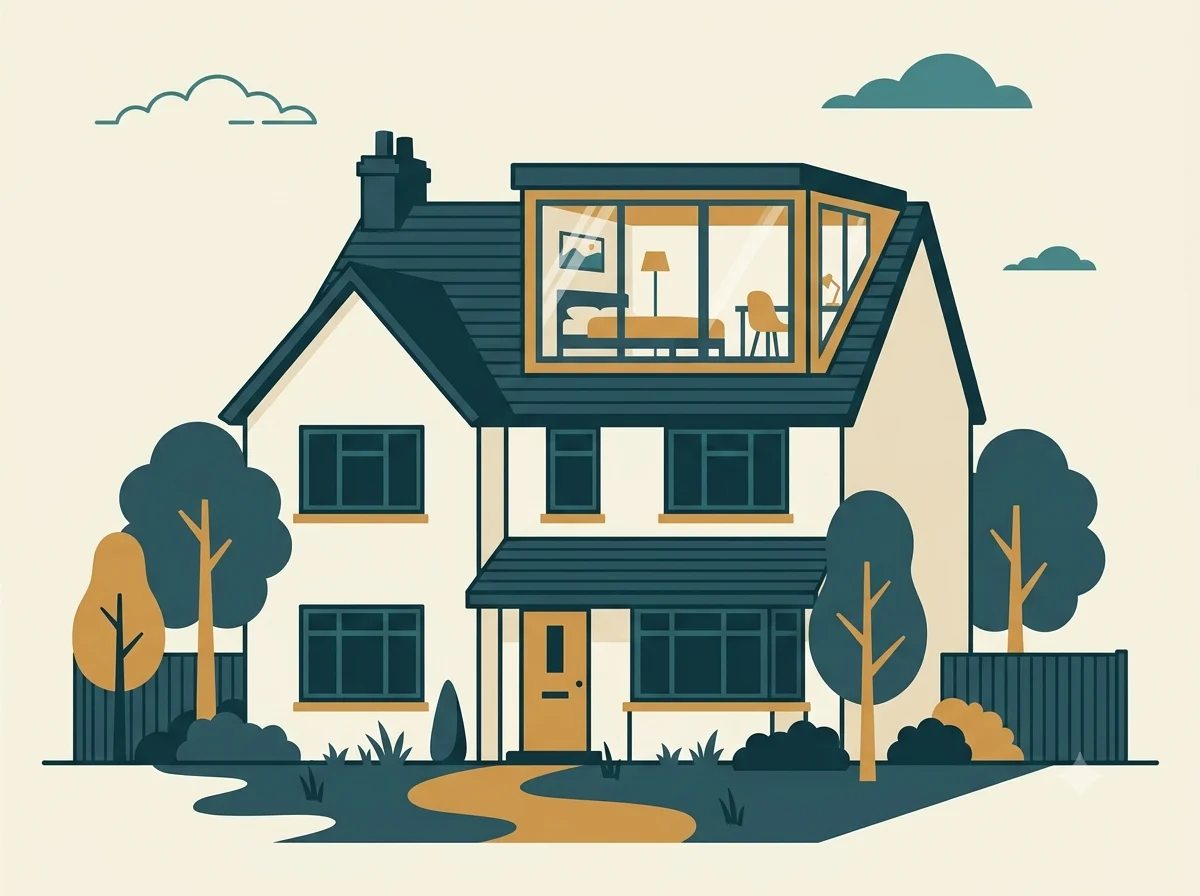
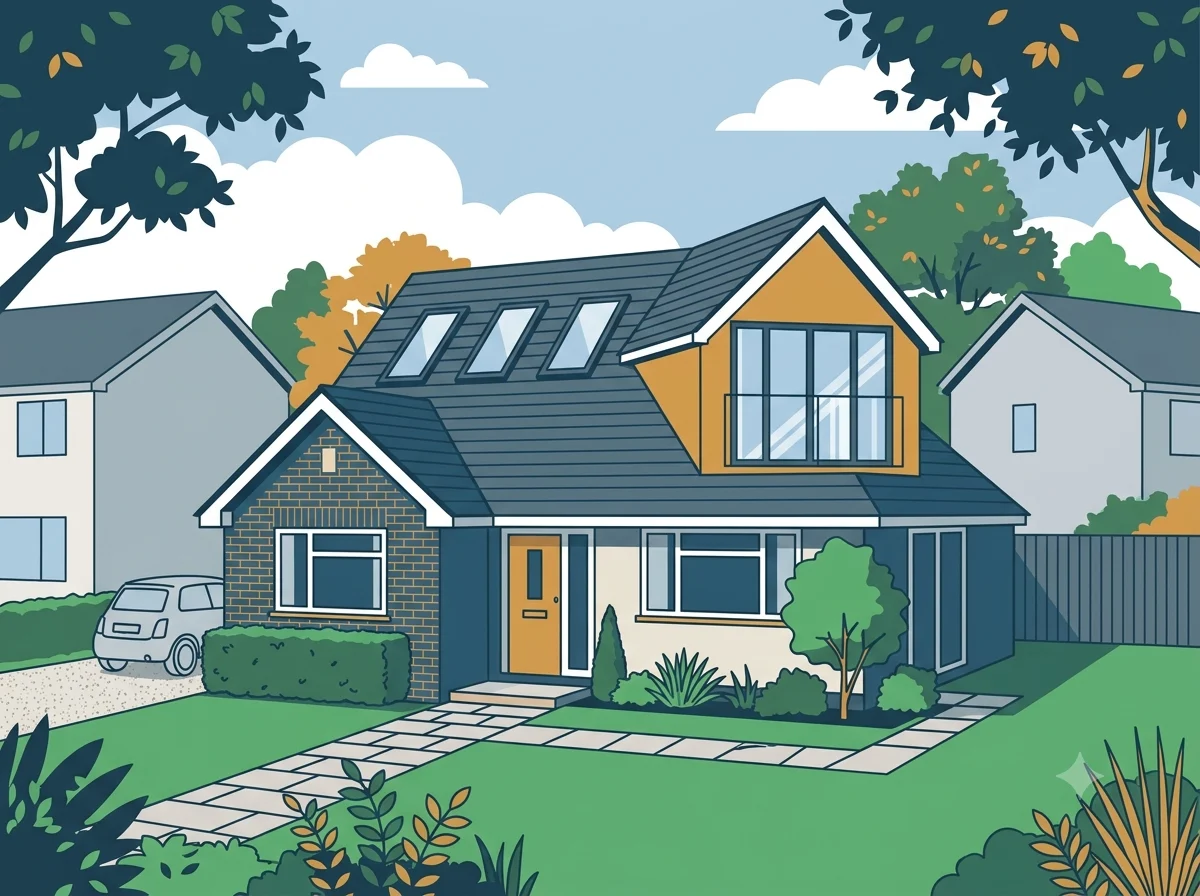
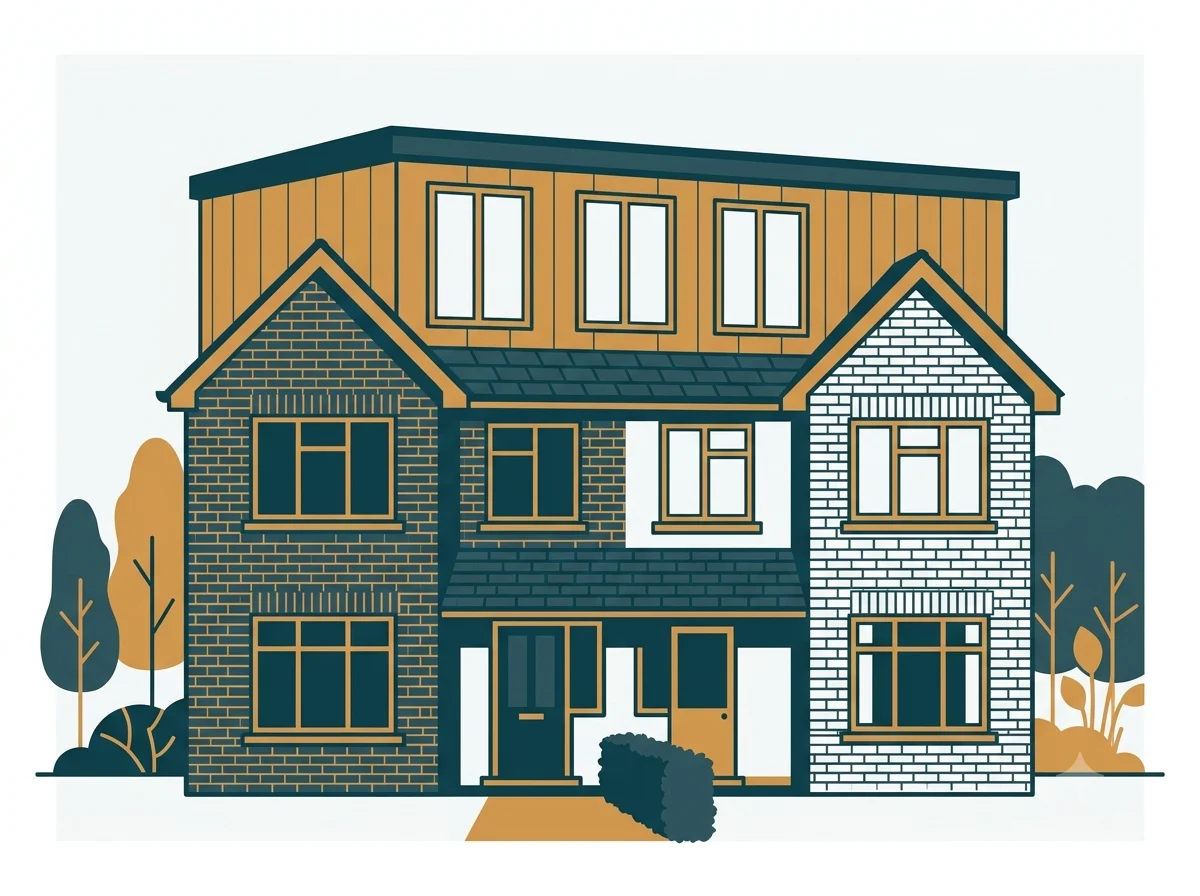
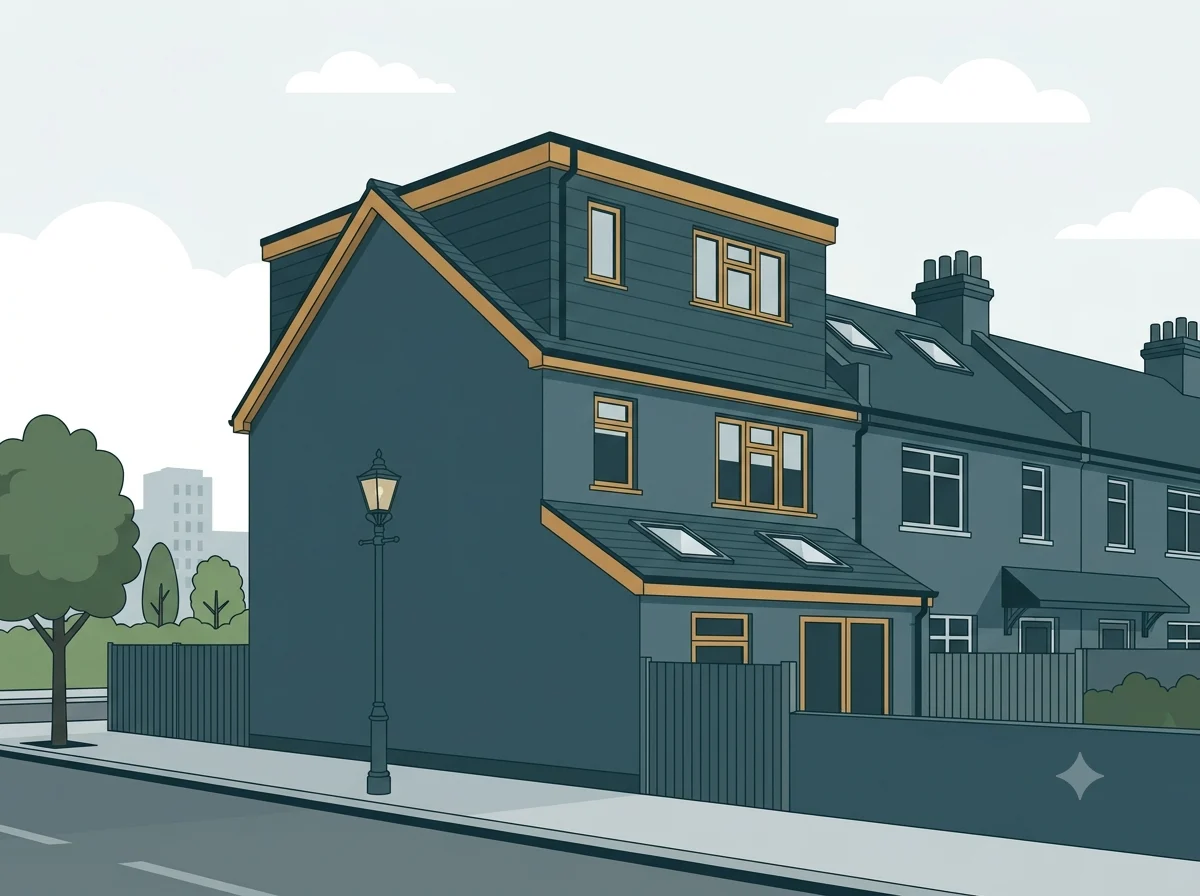
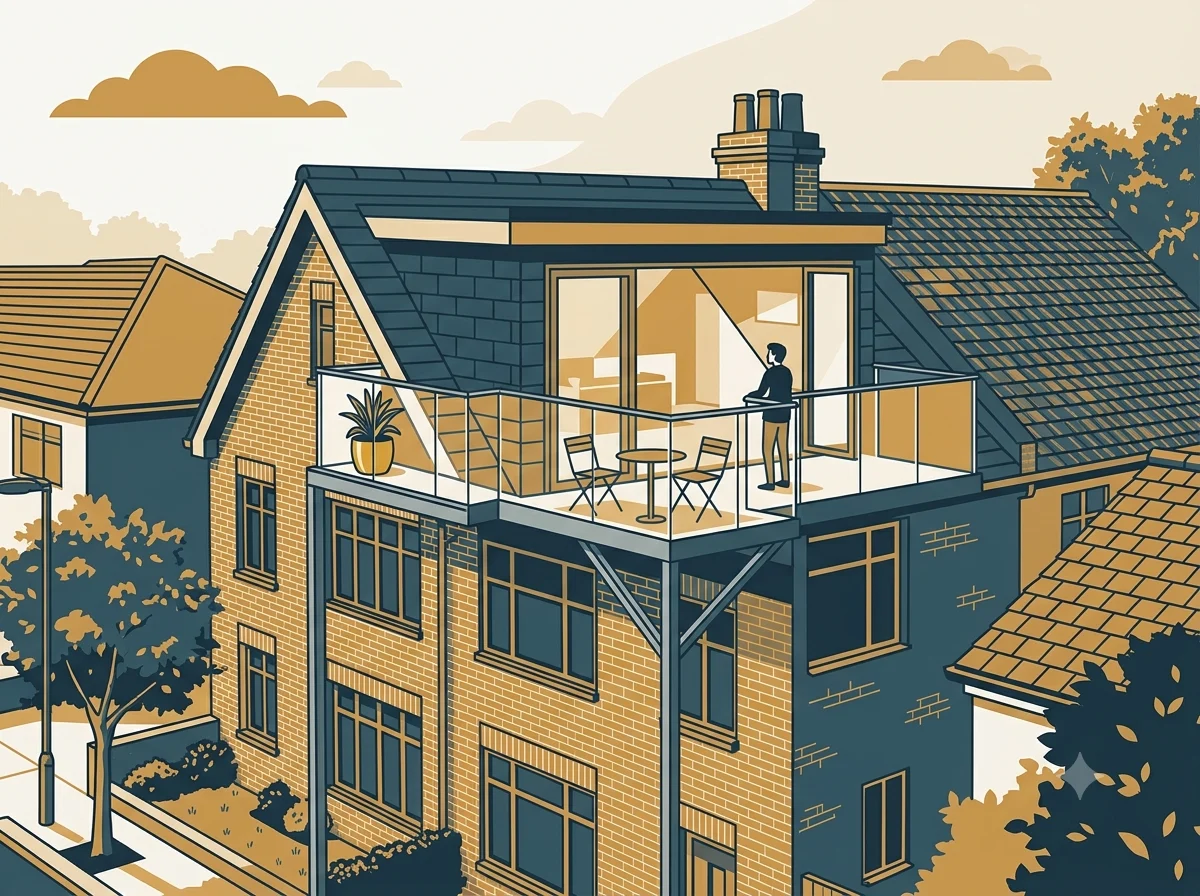
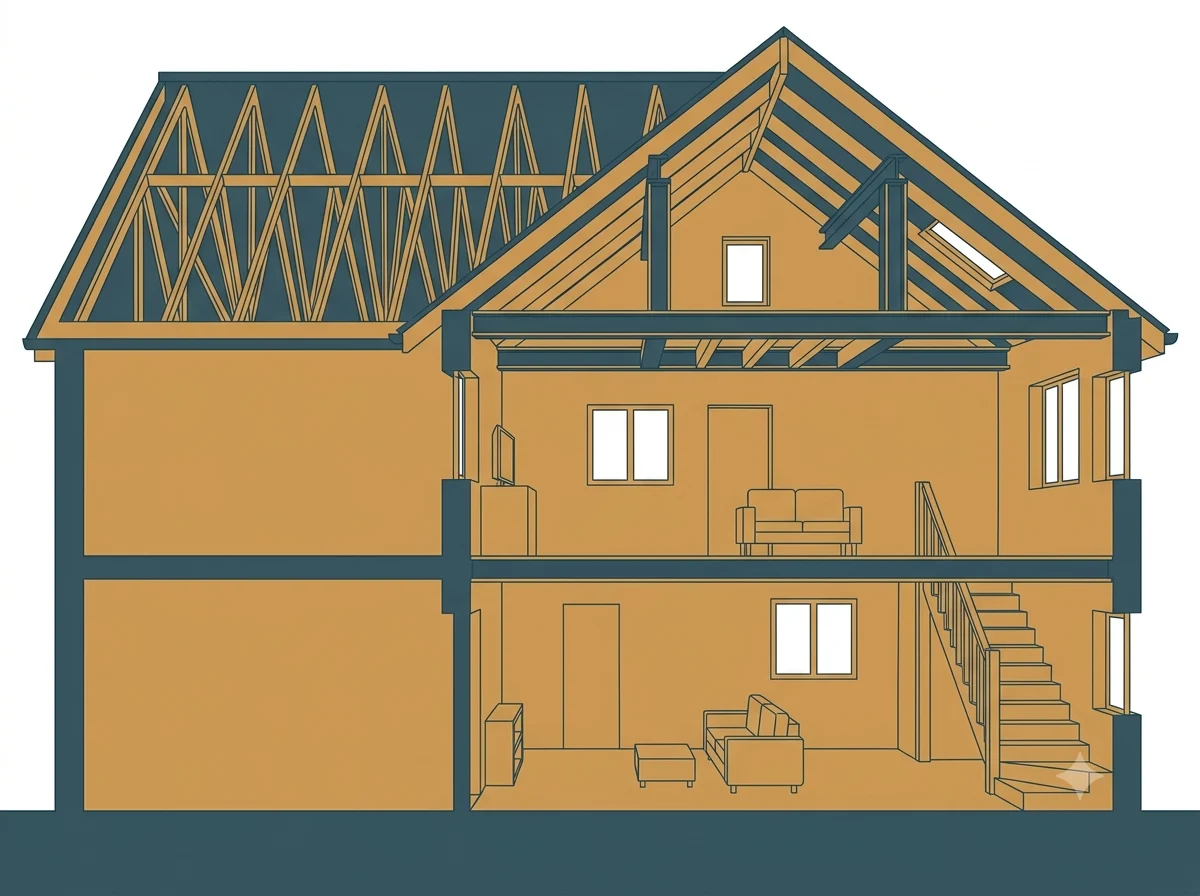
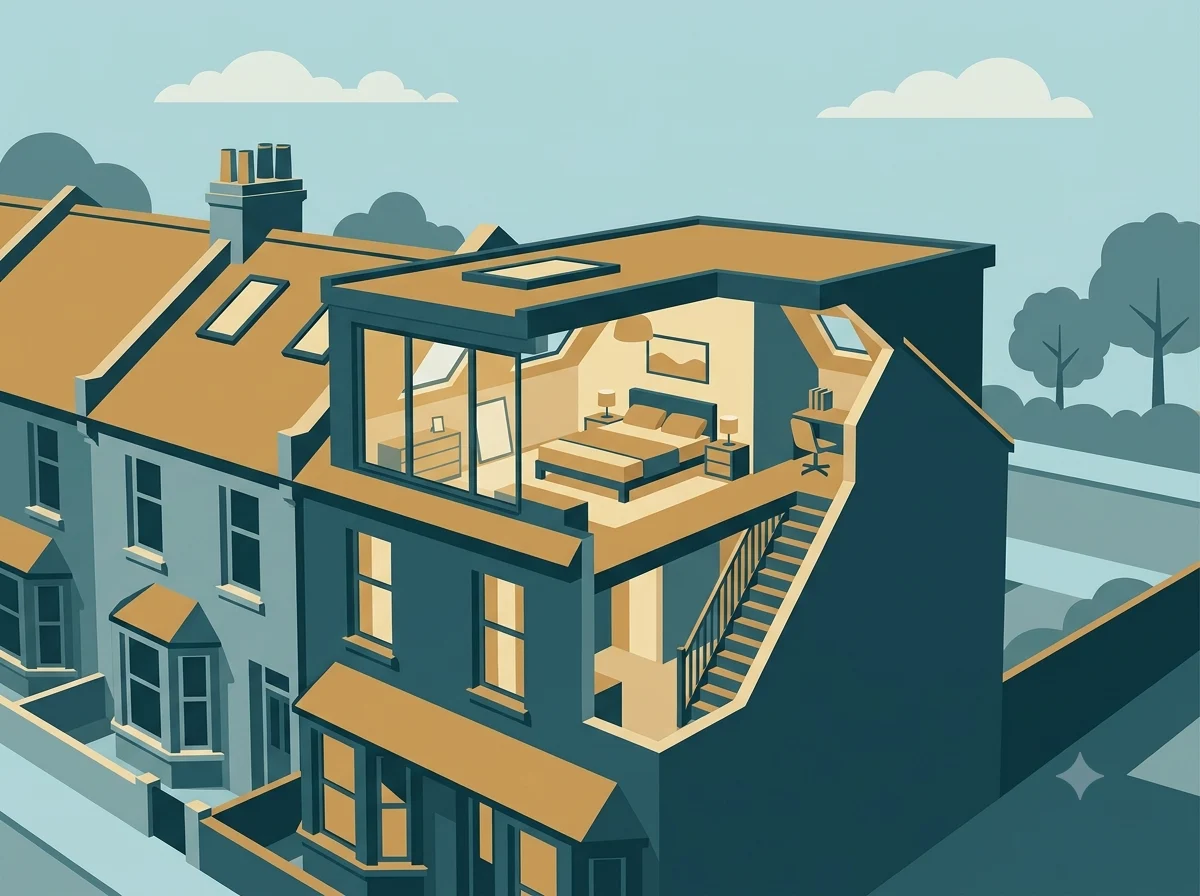
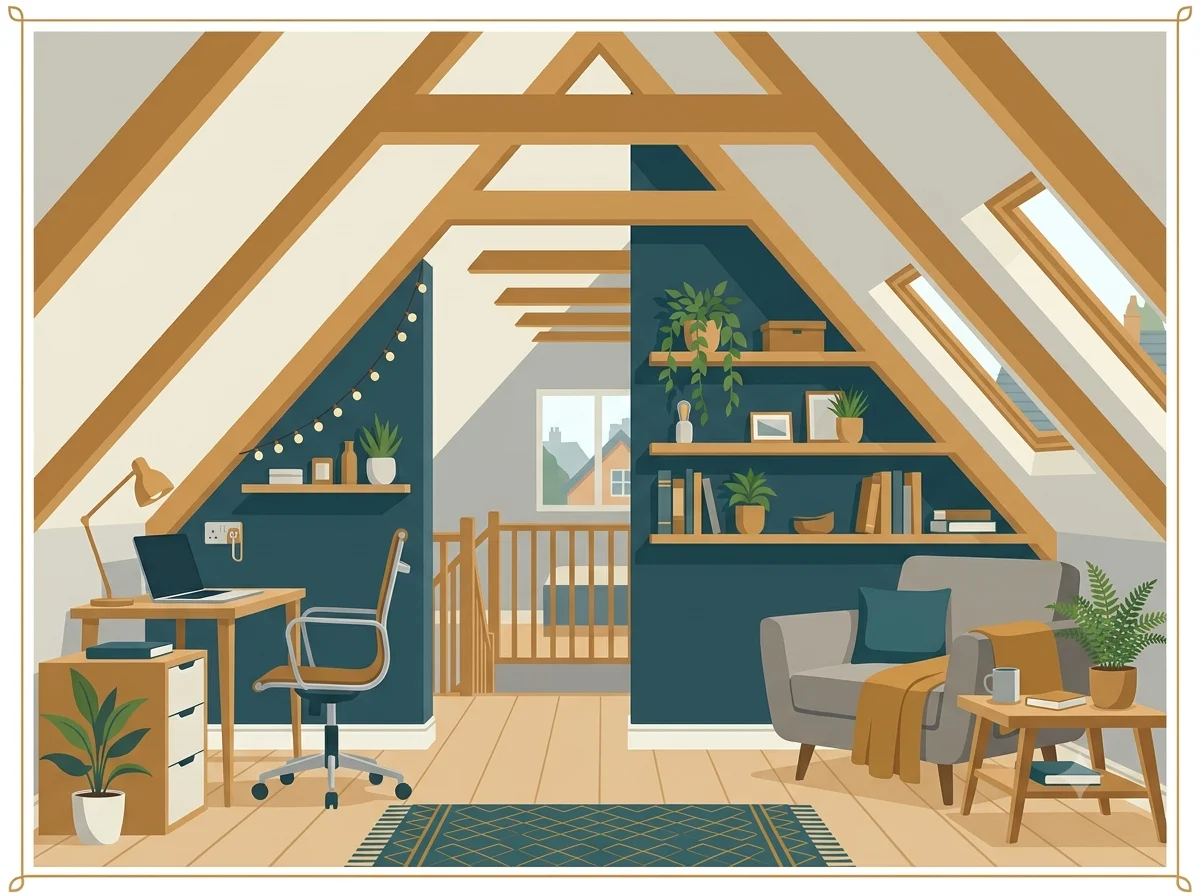
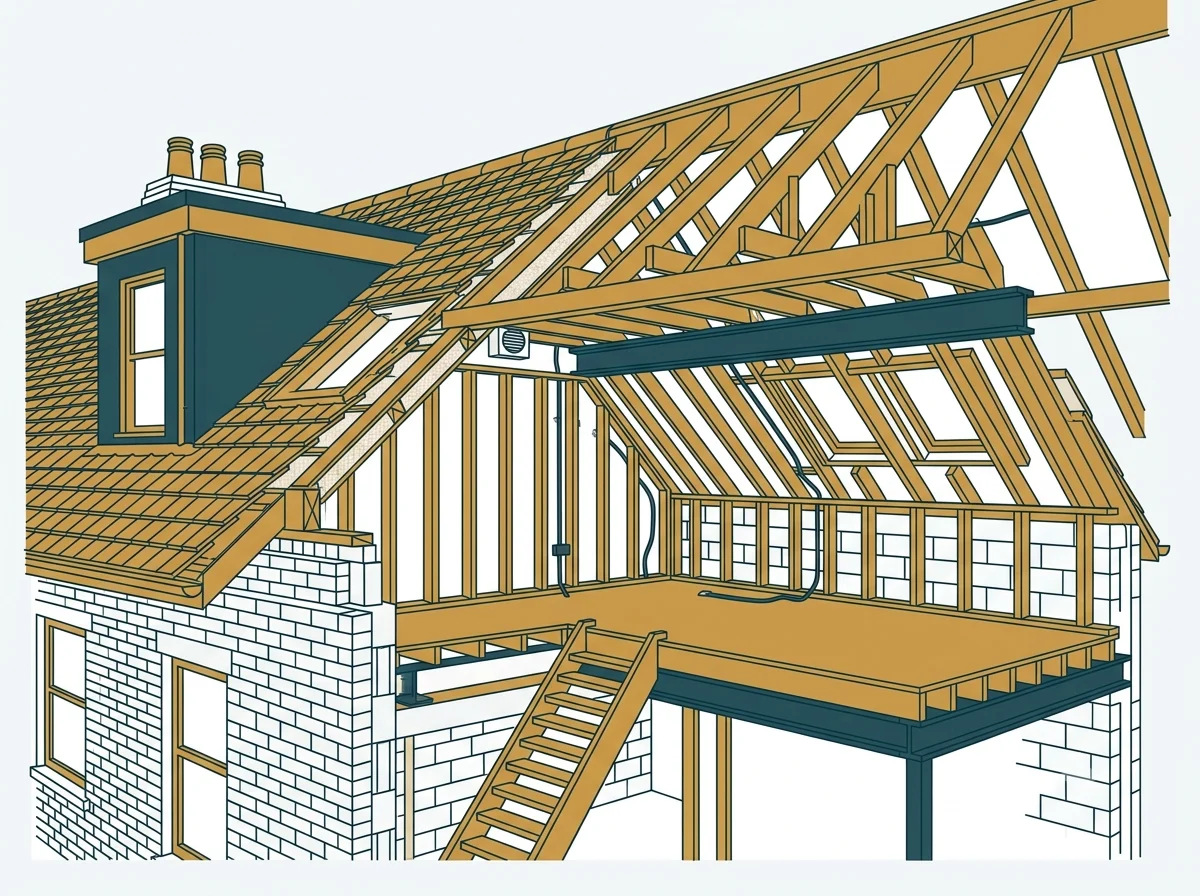
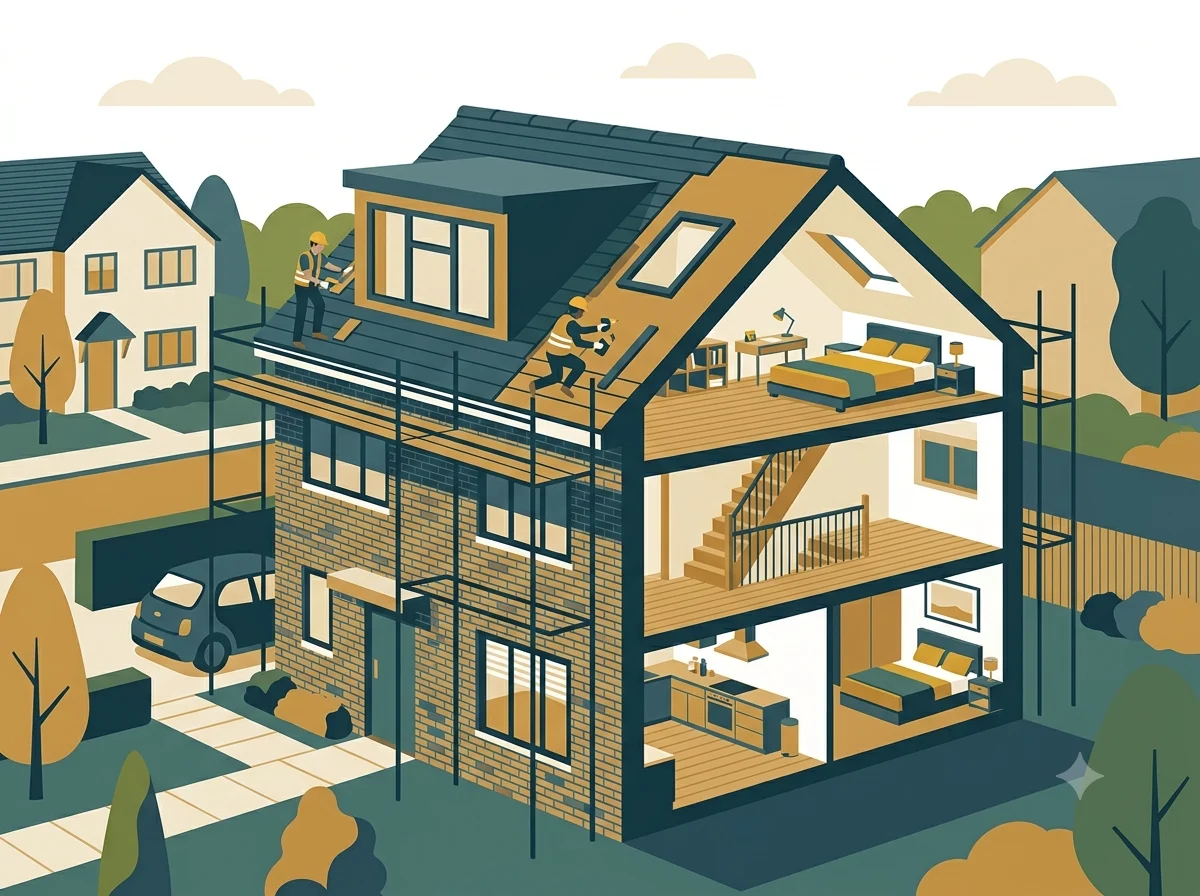
Whatever type of loft you have, there is a conversion to suit it. From dormer and mansard builds to bungalows and tricky low pitch roofs, LoftBuddy matches you with specialists experienced in your exact type of project.
Near by Areas we operate
Frequently asked questions (FAQ)
Do I need planning permission for a loft conversion in Ickenham?
In most cases no, because a loft conversion counts as permitted development under the national rules that Hillingdon Council applies. However, parts of Ickenham, including the Ickenham Village Conservation Area, have reduced permitted development rights, so it is worth checking with Hillingdon Council's Planning and Building Control service before starting any work on your home.
Which council deals with planning applications in Ickenham?
Ickenham falls within the London Borough of Hillingdon, so all planning applications and enquiries go through Hillingdon Council's Planning and Building Control service at the Civic Centre in Uxbridge. They can confirm whether your specific address in Ickenham carries any Article 4 restrictions before you commission drawings.
How much does a loft conversion cost in Ickenham?
Most loft conversions in Ickenham fall between £25,000 and £60,000, depending on whether you go for a roof light conversion or a rear dormer. Hip to gable runs £50,000 to £75,000 on its own, or £65,000 to £90,000 combined with a dormer. Ickenham jobs often sit at the higher end, because around 45 percent of homes here are detached and there is simply more roof to convert. A survey is the only way to get a real figure for your own house.
Are there Article 4 restrictions in Ickenham?
Yes. Hillingdon Council has designated the Ickenham Village Conservation Area around Swakeleys Road, the High Road and Austins Lane, where some permitted development rights are removed. Other streets and plots in Ickenham are covered by separate Article 4 directions, so checking your address with the council is always worth doing first.
What type of houses in Ickenham are best suited to a loft conversion?
Ickenham is unusually well suited to loft conversions. Around 45 percent of homes are detached and another 40 percent are semi detached, so most people here own a house rather than a flat. The 1930s semis on roads such as Glebe Avenue and Burnham Avenue have generous roof voids, and the detached houses in North Ickenham sit on bigger plots with more room to work with. A detached house also gets the full 50 cubic metre allowance and has no shared wall to negotiate on either side.