
Loft Conversions in Pinner
City/Town Name: Pinner
Borough Name: London Borough of Harrow
Area: 1.3 Sq Miles
Population: 13,300
City Information
Pinner is a leafy suburban area in the London Borough of Harrow in north west London. It has a strong village feel centred on Pinner High Street and Pinner Village, with older buildings, local shops and cafes that give the place its own character. The wider area includes Pinner Green and nearby residential streets that are mainly family houses with gardens and mature trees. Pinner sits in Travelcard Zone 5 and is served by Pinner station on the Metropolitan line, which makes daily commuting in and out of central London straightforward for many residents. Local green spaces such as Pinner Memorial Park and other open land give the area a more relaxed pace compared with inner London districts. The main postcode is HA5, which covers Pinner and neighbouring parts of Hatch End, Rayners Lane and Eastcote, and helps tie the area into the wider Harrow housing market.
Planning Notes
Pinner is covered by the planning department at the London Borough of Harrow, which provides planning and development services for all residents in the borough. Loft conversions here fall under national permitted development rules for houses, as set out by the Planning Portal, as well as Harrow Council guidance on planning permission for loft work and house extensions. For a loft conversion to count as permitted development, any additional roof space must not exceed 40 cubic metres for terraced houses and 50 cubic metres for detached and semi detached houses, and previous roof enlargements are included in that total. The extension must not be higher than the existing roof, materials should be similar in appearance to the existing house, and roof enlargements should be set back at least 20 centimetres from the original eaves where practicable. Loft conversions that change the roof slope on the main front elevation that faces a highway are not permitted development and will need full planning permission from Harrow Council. Across the borough Harrow also uses conservation area and Article 4 Directions to remove some permitted development rights in sensitive locations, so householders in parts of Pinner need to check the council maps and guidance before starting roof work
Article Notes
Harrow Council uses Article 4 Directions in a number of conservation areas in Pinner, including Pinner High Street, Pinner Hill, Pinnerwood Park and related estates. These legal directions remove specific permitted development rights so that owners must apply for planning permission for changes that would normally be automatic, such as altering front boundaries, gates, walls or other enclosures in named conservation streets. In practice this means that a loft conversion on a house within one of these Pinner conservation areas may face tighter rules on roof shape, materials and visible alterations than a similar project on a modern estate elsewhere in Harrow. Homeowners in Pinner who are planning a loft conversion should check the Harrow Council conservation area pages for their street and confirm whether an Article 4 Direction applies before they design the roof extension and submit drawings.
Types of Houses
Housing in Pinner is mainly twentieth century suburban development, often described as Metroland, along with an older village core around the high street. Many streets are lined with detached and semi detached family houses, often with good sized gardens, which lend themselves well to loft conversions for extra bedrooms or home offices. Period properties such as Edwardian and Arts and Crafts style houses, as well as Tudor and mock Tudor homes, are found near Pinner Village and in conservation areas, where design care is especially important. In recent years more flats have been built or converted from office buildings in and around the town centre, while some planning applications have focused on demolishing existing detached houses and replacing them with larger dwellings. Overall, Pinner offers a mix of traditional suburban housing types with solid roofs and established structures, which makes loft conversion a common choice for local owners who wish to add space without moving.
Highlights
Pinner has its own Metropolitan line station with direct trains to central London, which is a key draw for families and commuters in Harrow. The ward profile records local GP practices and pharmacies serving residents, and nearby schools include well regarded state and private options that add to the area’s appeal for households with children. Around Pinner High Street and Pinner Green there are supermarkets, independent food shops, hairdressers, cafes, restaurants and professional services, as well as banks and estate agents linked to the local housing market. Pinner Memorial Park and other open spaces provide leisure facilities, walking routes and play areas, and the wider Harrow borough offers sports clubs and community centres within a short journey. Bus routes connect Pinner with Harrow town centre, Hatch End, Northwood and other nearby parts of north west London, so trades and loft contractors can reach properties here without difficulty.
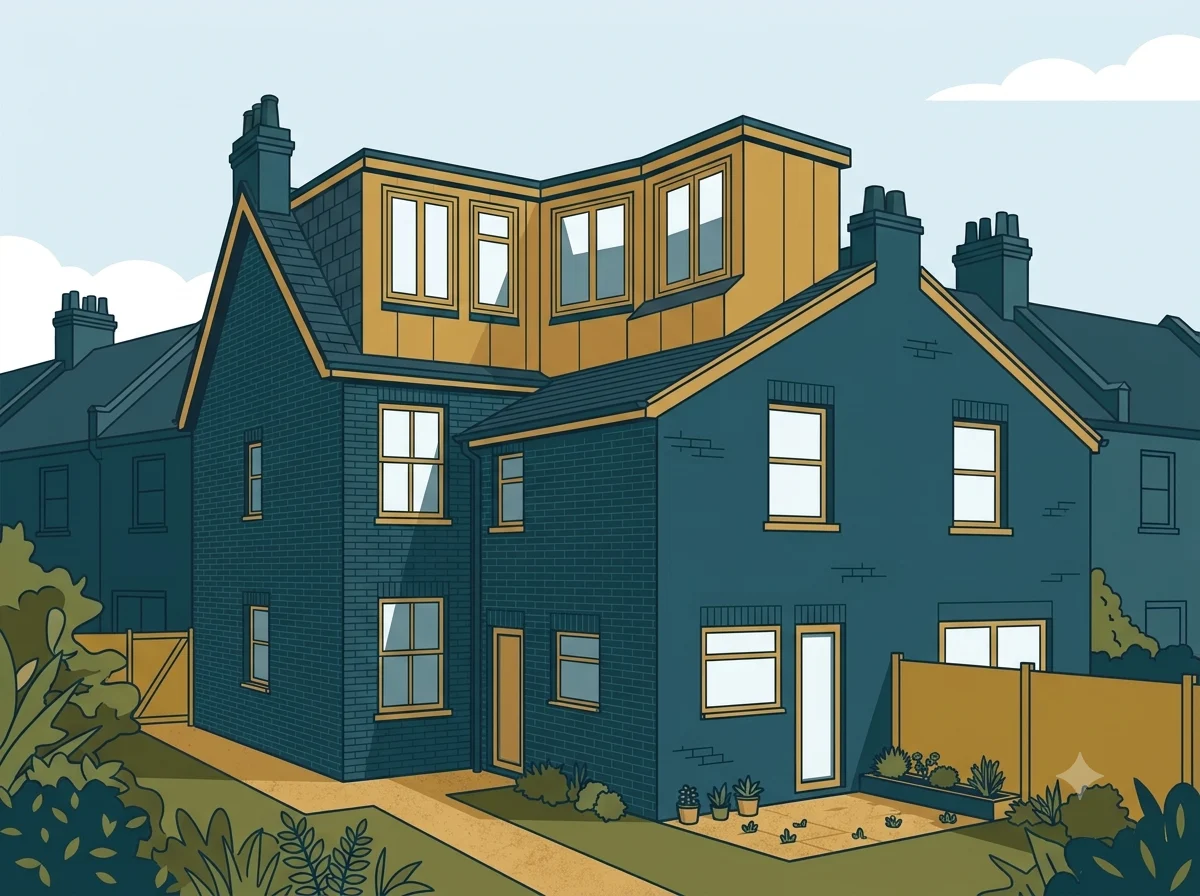
Mansard Loft Conversion in Pinner
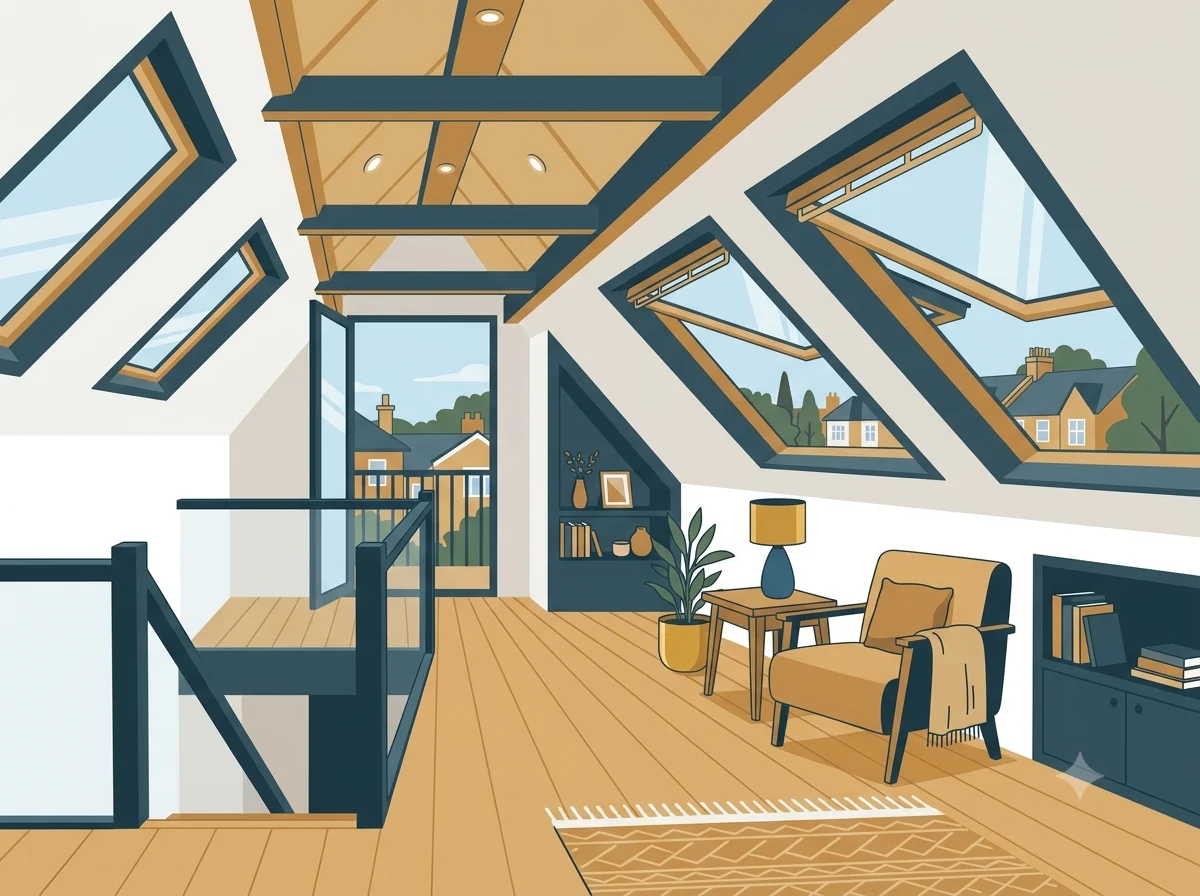
Velux Loft Conversion in Pinner
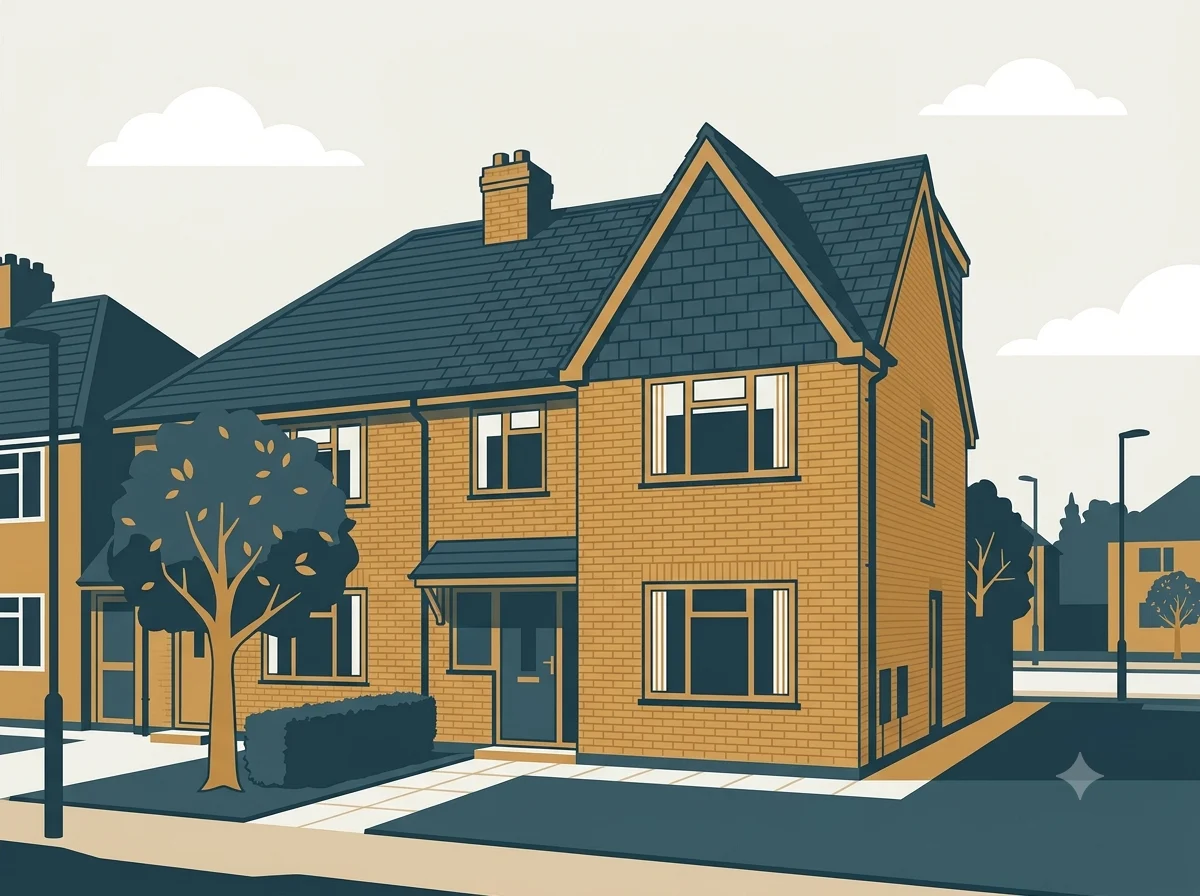
Hip to Gable Loft Conversion in Pinner
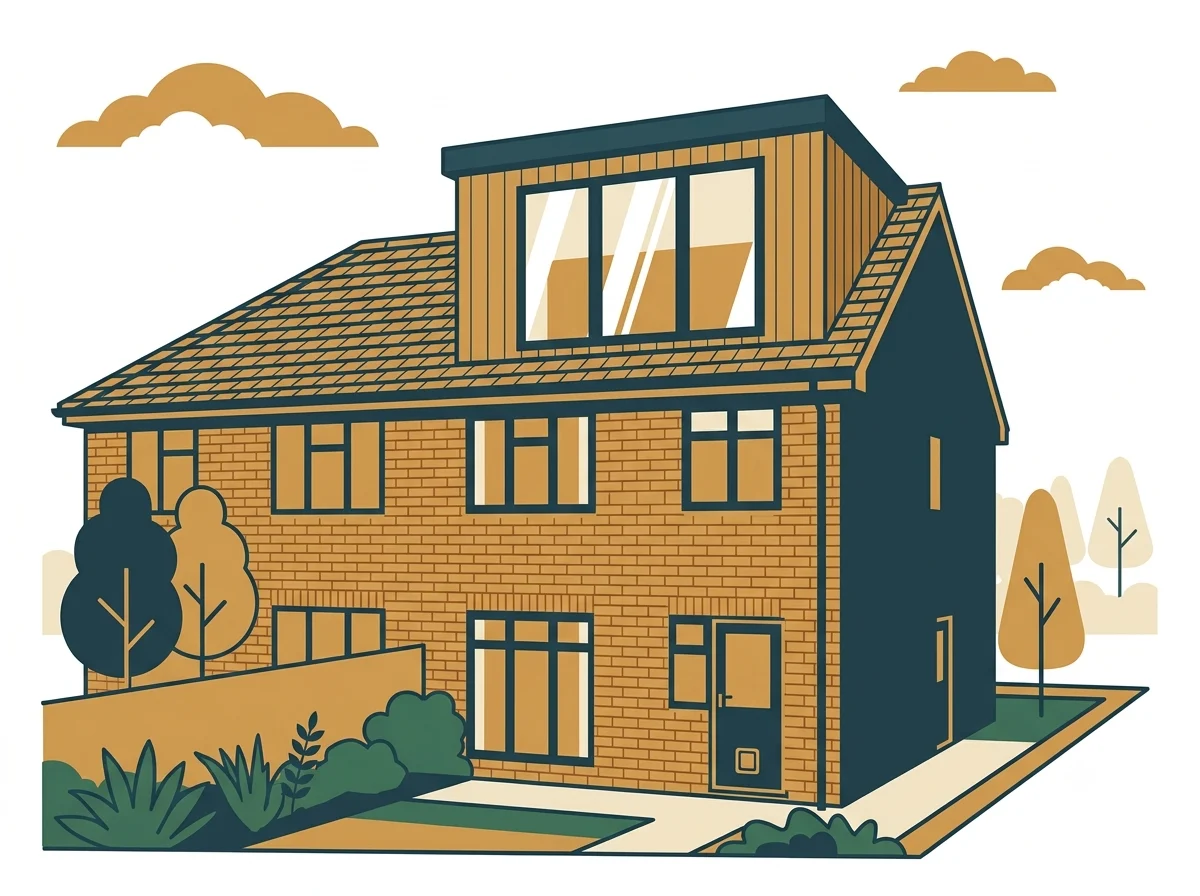
Dormer Loft Conversion in Pinner

New Build Loft Conversion in Pinner
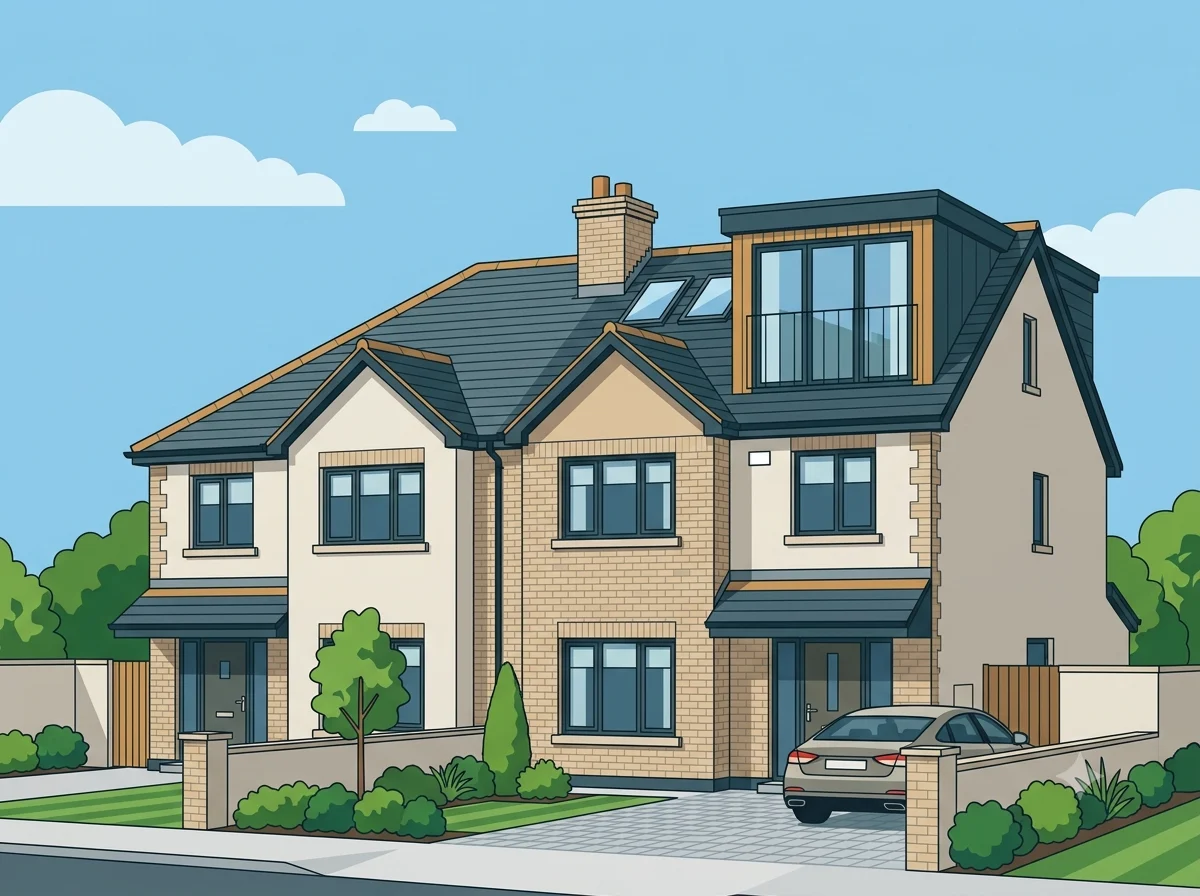
Semi Detached Loft Conversion in Pinner
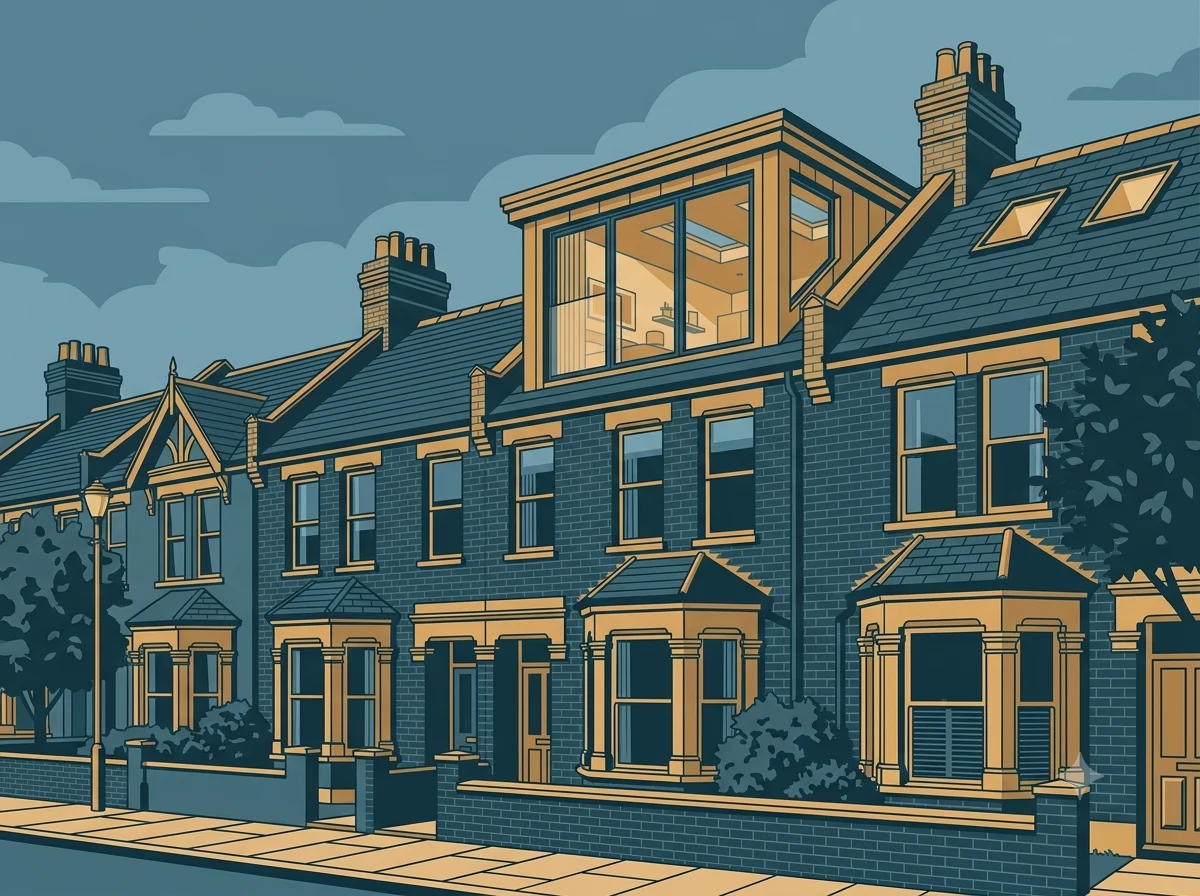
Terraced House Loft Conversion in Pinner
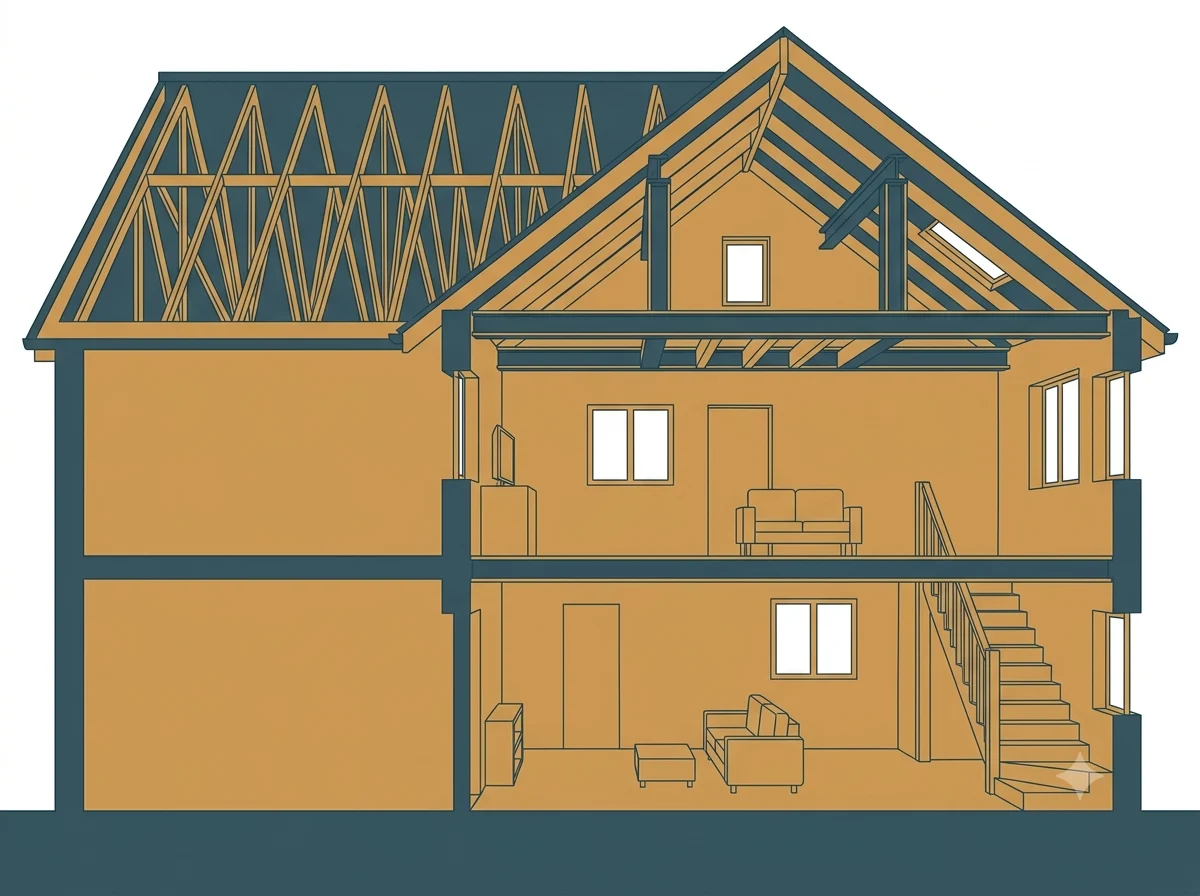
Trussed Roof Loft Conversion in Pinner

Low Pitch Loft Conversion in Pinner
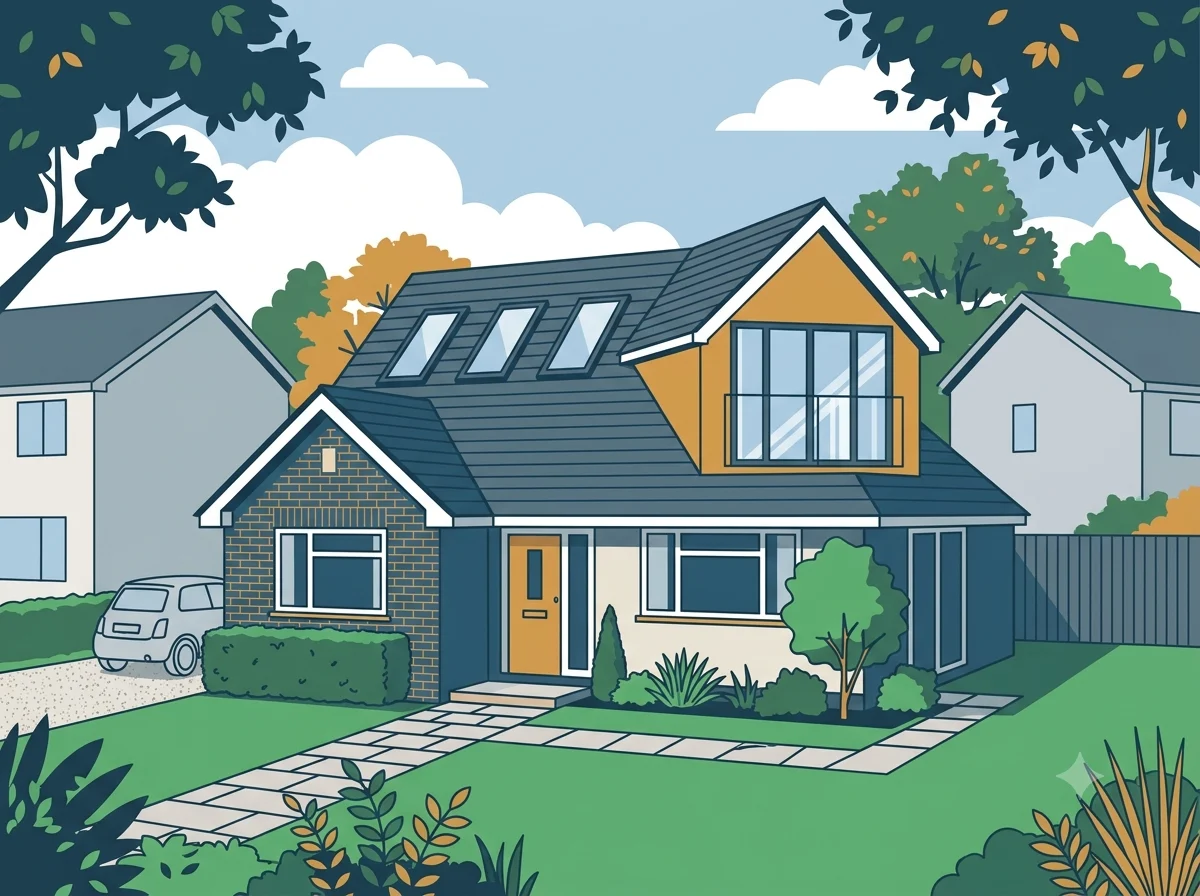
Bungalow Loft Conversion in Pinner
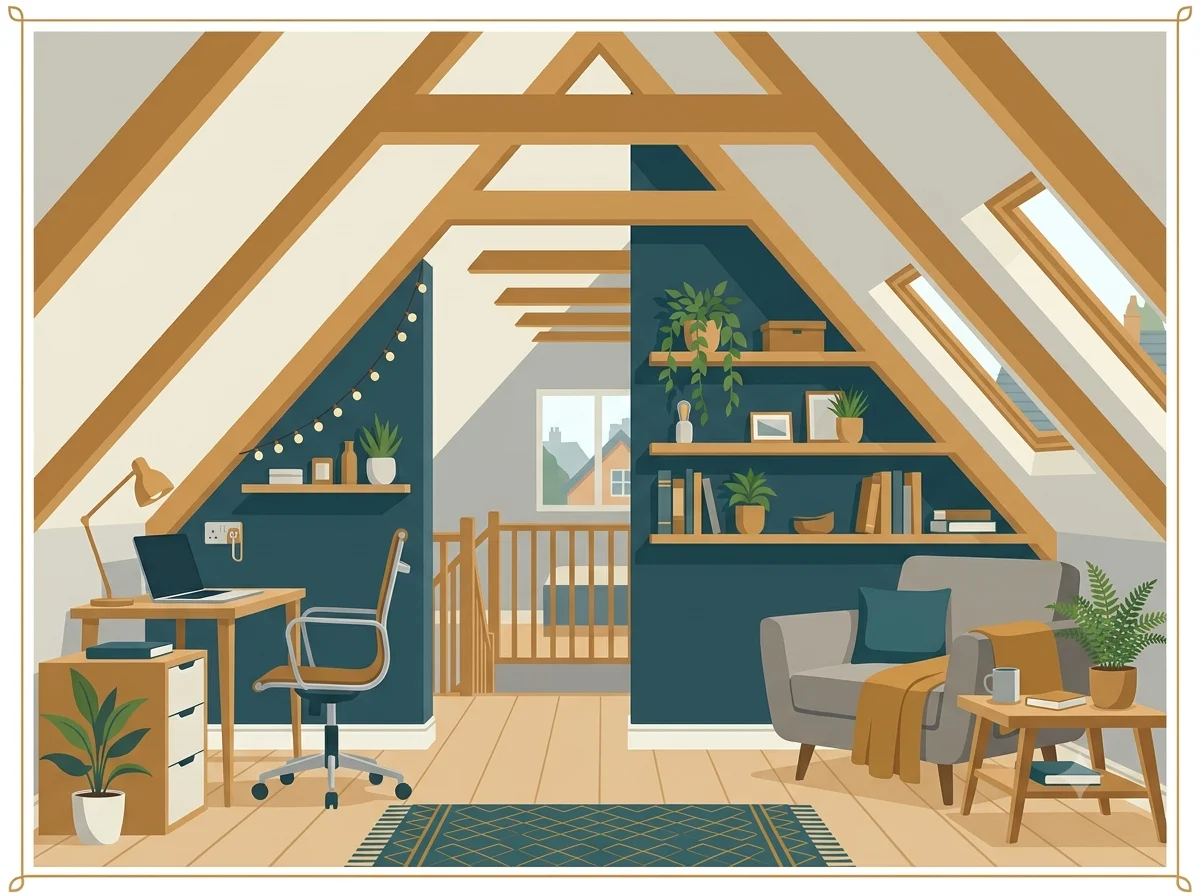
Low Ceiling Loft Conversion in Pinner
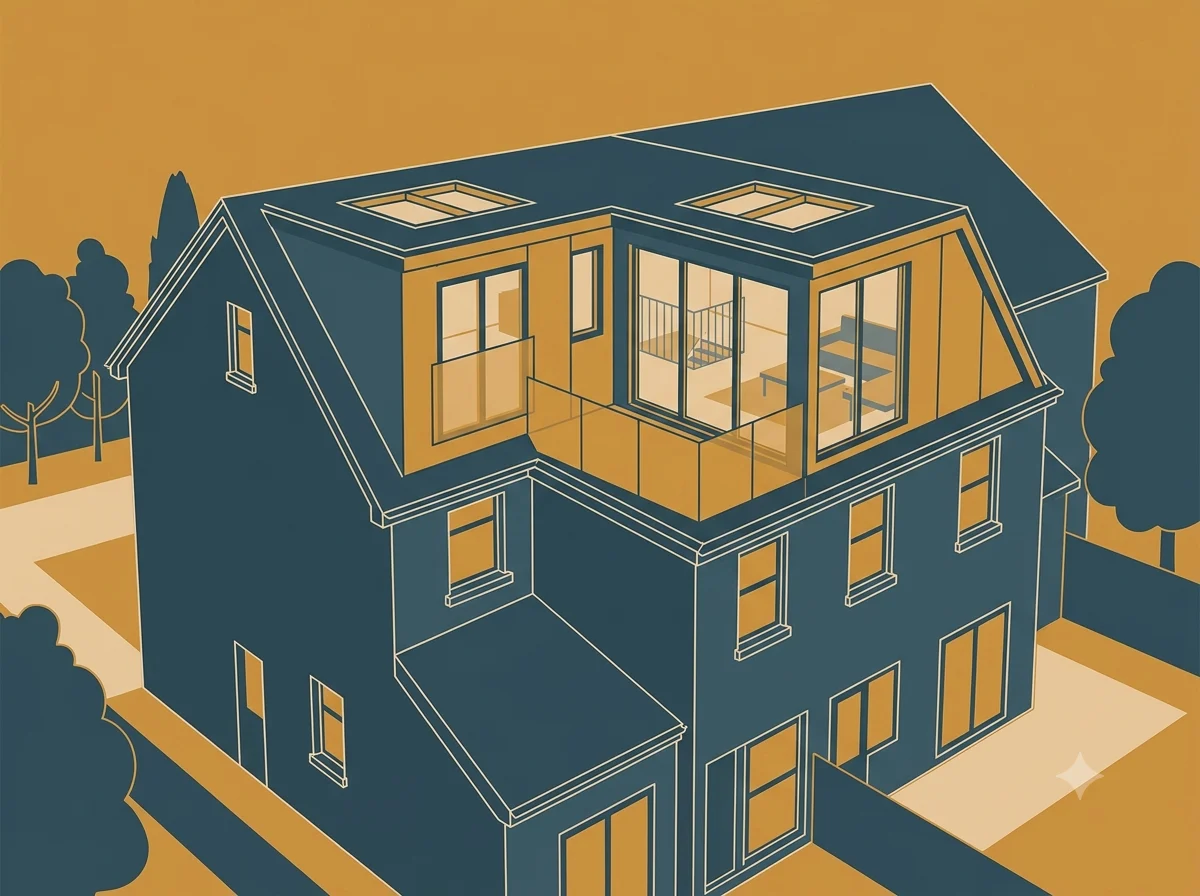
L Shaped Loft Conversion in Pinner
Frequently asked questions (FAQ)
Do I always need planning permission for a loft conversion in Pinner?
Many loft conversions in Pinner fall under national permitted development rules, but you still need to follow the volume limits, roof height and design standards set out by the Planning Portal and Harrow Council. If the loft changes the main front roof slope or the property sits in a conservation area in Pinner, you will usually need full planning permission from Harrow Council.
How does Article 4 affect loft conversions in Pinner conservation areas?
Article 4 Directions in Pinner High Street, Pinner Hill and other conservation areas remove some permitted development rights, so Harrow Council can control changes that would otherwise be automatic. For a loft conversion this can mean stricter rules on dormer shapes, roof materials and visible alterations, and you should always check the council maps before you start design work.
What types of Pinner houses are best suited to loft conversions?
Many detached and semi detached houses in Pinner, especially the Metroland style family homes with good sized roofs, are well suited to loft conversions for extra bedrooms or living space. Period properties near Pinner Village can also take loft work, but the design needs more care to respect the character of the building and any conservation area rules set by Harrow Council
How much does a typical loft conversion cost in Pinner?
Online trade guides for Harrow show loft conversion jobs starting around the low thirty thousand pound mark, while a specialist firm working in Pinner quotes from about £40,000 for basic lofts and from about £55,000 for full conversions. The final price depends on the size of the roof, any structural changes, insulation standards and finishes, so local owners often seek detailed quotes from loft companies who know Harrow Council rules.
Are there many planning applications for extensions and lofts in Pinner?
Comments from the Pinner Association note that many planning applications in Pinner are for house extensions, and more recently for replacing detached houses with larger dwellings, which shows how common home expansion is in the area. Planning application maps for the HA5 postcode also record regular submissions for projects in Pinner and nearby streets, so loft conversions sit within an active local planning scene under Harrow Council.