
Loft Conversions in Acton
City/Town Name: Acton
Borough Name: London Borough of Ealing
Area: 3.55 Sq Miles
Population: 62,480
City Information
Acton sits in West London, inside the London Borough of Ealing, and it is one of the best connected parts of the capital. Locals often joke that the area has more train stations than any other district in London, with Acton Central, Acton Main Line, Acton Town, North Acton, East Acton and West Acton all within its boundaries. The Elizabeth Line now runs through Acton Main Line, which has cut journey times into central London and pushed up demand for family homes in the area.
The name itself comes from the Old English for oak farm, and you still see the oak motif dotted around the area, from murals on the high street to the naming of local shops. Acton has grown from a quiet Middlesex village into a lively, mixed district with a strong sense of community. Churchfield Road is known for its independent cafes and restaurants, while Acton High Street covers the everyday shopping needs, with supermarkets, banks and a busy Wednesday to Saturday market.
Families are drawn here for the parks, including Acton Park with its play area and bowling green, and for the mix of good schools. Property here ranges from Victorian terraces to 1930s semis, which is why loft conversions are such a popular way for homeowners to add space rather than move.
Planning Notes
Ealing Council is the local planning authority for most of Acton, though the Old Oak and Park Royal Development Corporation handles planning in the North Acton and Park Royal area instead. For the rest of Acton, planning applications and permitted development questions go through Ealing Council Planning Department.
Many loft conversions in Acton can go ahead under permitted development, meaning no planning application is needed, as long as the work stays inside the national rules. Under Class B of the General Permitted Development Order, a terraced house can normally add up to 40 cubic metres of extra roof space, and a semi detached or detached house up to 50 cubic metres. The new roof must sit below the existing ridge height, be set back from the eaves, and the materials should match the existing roof. A dormer on the front of the house, facing the street, almost always needs a full planning application rather than falling under permitted development.
These national rules change once you are inside a conservation area or covered by an Article 4 Direction, both of which are common in parts of Acton. Ealing Council lists Acton Green, Acton Park, Acton Town Centre, Bedford Park and Mill Hill Park as conservation areas covering parts of Acton. Building regulations approval is always needed for a loft conversion, whether or not planning permission is required, since this covers things like structural strength, fire escape routes, insulation and staircase design. Anyone unsure of their exact position should ask Ealing Council for a Lawful Development Certificate before starting work.
Article Notes
Article 4 does not apply across the whole of Acton, so the exact position depends on which street a property sits on. The clearest example is Bedford Park, the Arts and Crafts conservation area that sits on the Acton and Chiswick border, part of which falls inside Ealing borough. Bedford Park has had an Article 4 Direction in place since 1970, extended in 1985 to cover listed buildings and again in 2008 for specific properties. In Bedford Park, planning permission is needed for things that would normally be permitted development elsewhere, including roof alterations, extensions, porches and window changes. Other Acton conservation areas are treated differently. Acton Green, for example, is recorded by Ealing Council as having no Article 4 Direction, so standard conservation area controls apply there rather than the tighter Article 4 rules. Acton Park and Acton Town Centre conservation areas sit somewhere in between, and permitted development rights can be more limited within their boundaries than on an ordinary street nearby. Separately, Ealing introduced a borough wide Article 4 Direction covering houses in multiple occupation, which came into effect in November 2025. This removes permitted development rights for converting a family home into an HMO across the whole borough, including Acton, though this is a different issue from loft conversions. Because the picture varies street by street, anyone planning a loft conversion in Acton should check their exact address against Ealing Council's conservation area maps before assuming permitted development applies.
Types of Houses
Acton's housing stock is a mix built up over more than a century. The oldest parts of the area, including South Acton, East Acton and the streets around Acton Green, are lined with Victorian and Edwardian terraces, many with bay windows and slate roofs. The Mill Hill Park estate adds an earlier run of garden suburb style houses, while West Acton is known for its 1930s semi detached houses, built as the area expanded along the railway and tube lines between the wars. Bedford Park, on the Acton and Chiswick border, is a well known example of Arts and Crafts housing, with red brick terraces and distinctive red roof tiles that the local conservation area works to protect. Many older properties across Acton have since been converted into flats, so a fair share of the terraced stock is now split rather than single family homes. This mix of roof shapes and building ages is one reason loft conversion costs and planning routes can vary so much from one street to the next.
Highlights
- Acton Central, Acton Main Line, Acton Town, North Acton, East Acton and West Acton stations, covering the Elizabeth Line, Central Line, District Line, Piccadilly Line and Overground
- Acton Park, with a playground, bowling green, tennis courts and cafe
- Gunnersbury Park, with gardens, a museum, sports pitches and lakes
- Wormwood Scrubs open space, near East and North Acton stations
- Acton High Street and Churchfield Road, with supermarkets, independent shops, cafes and restaurants
- Acton Market, running Wednesday to Saturday, with local traders and street food stalls
- A range of primary and secondary schools, including Derwentwater Primary School, Berrymede Infant School, Twyford Church of England High School and The Ellen Wilkinson School for Girls
- Local leisure centres and gyms
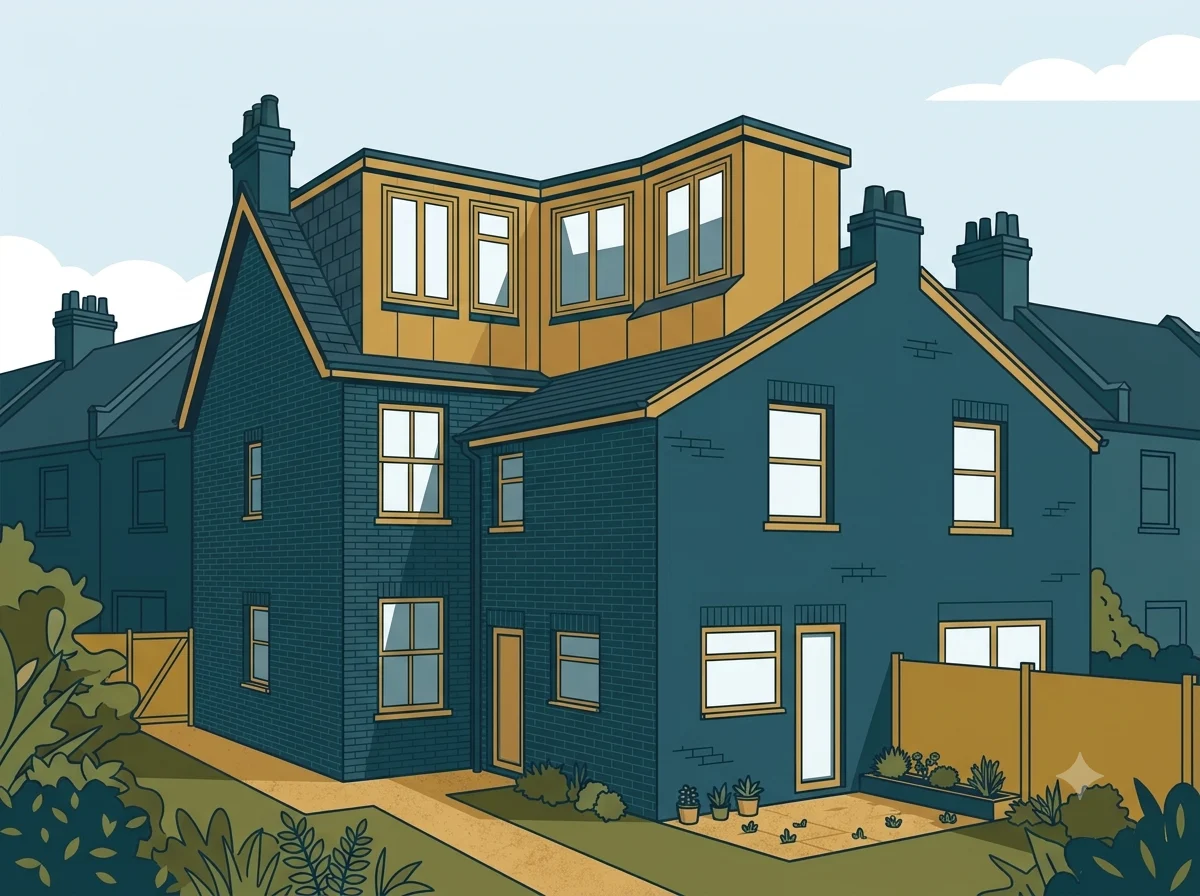
Mansard Loft Conversion in Acton
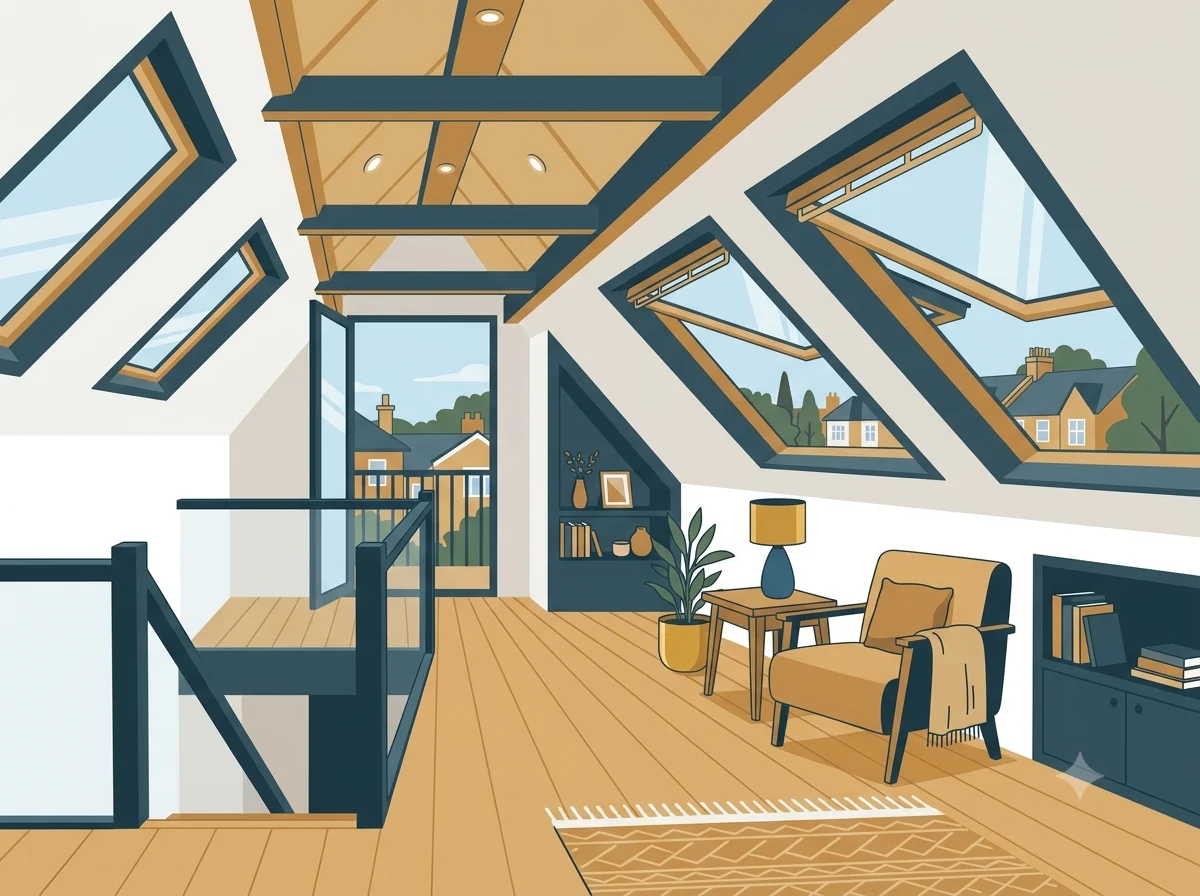
Velux Loft Conversion in Acton
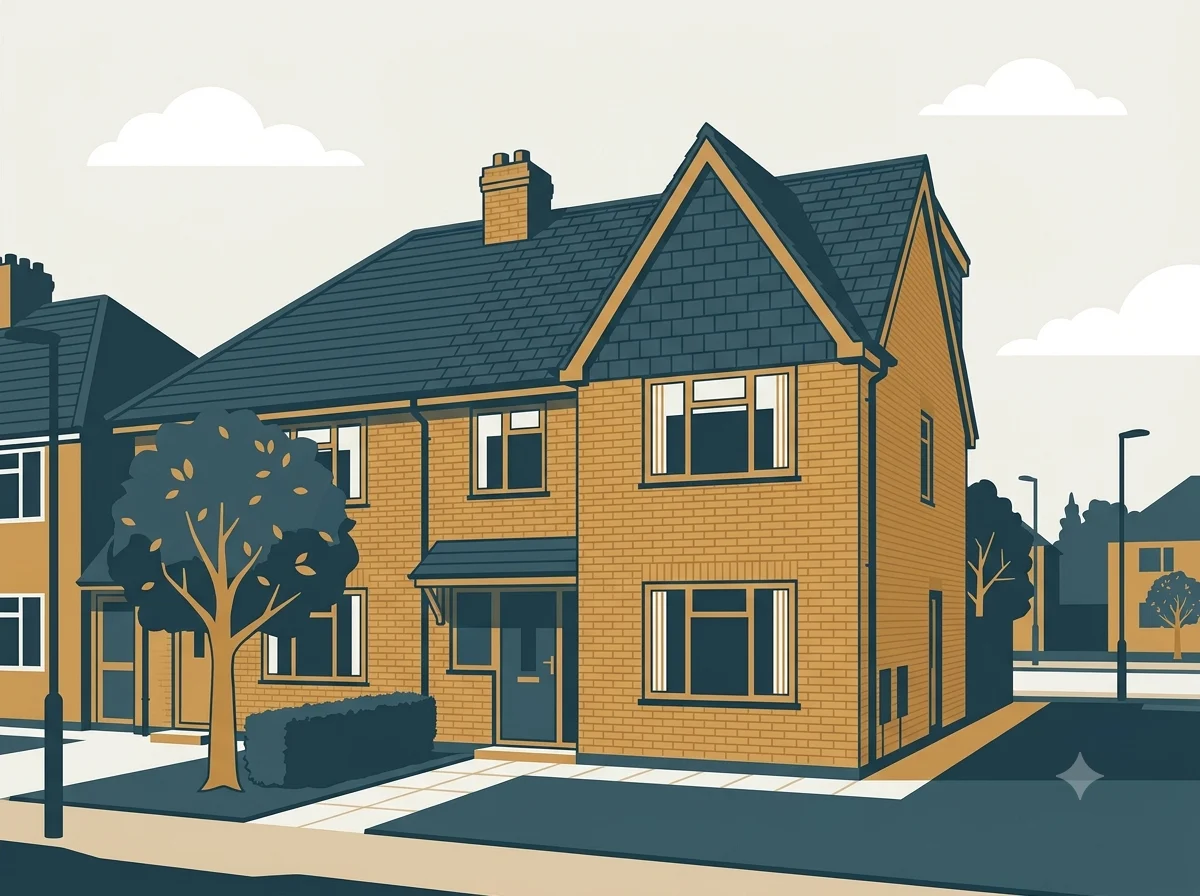
Hip to Gable Loft Conversion in Acton
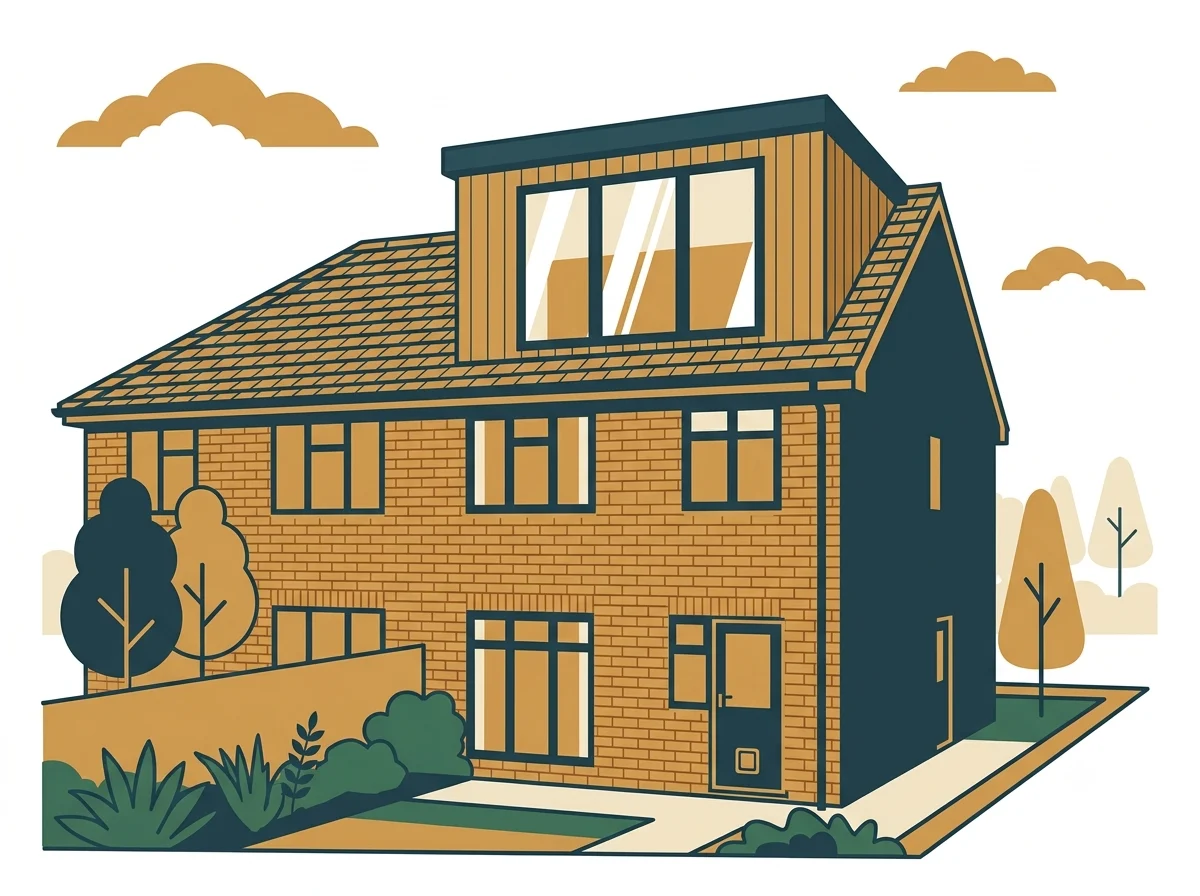
Dormer Loft Conversion in Acton

New Build Loft Conversion in Acton
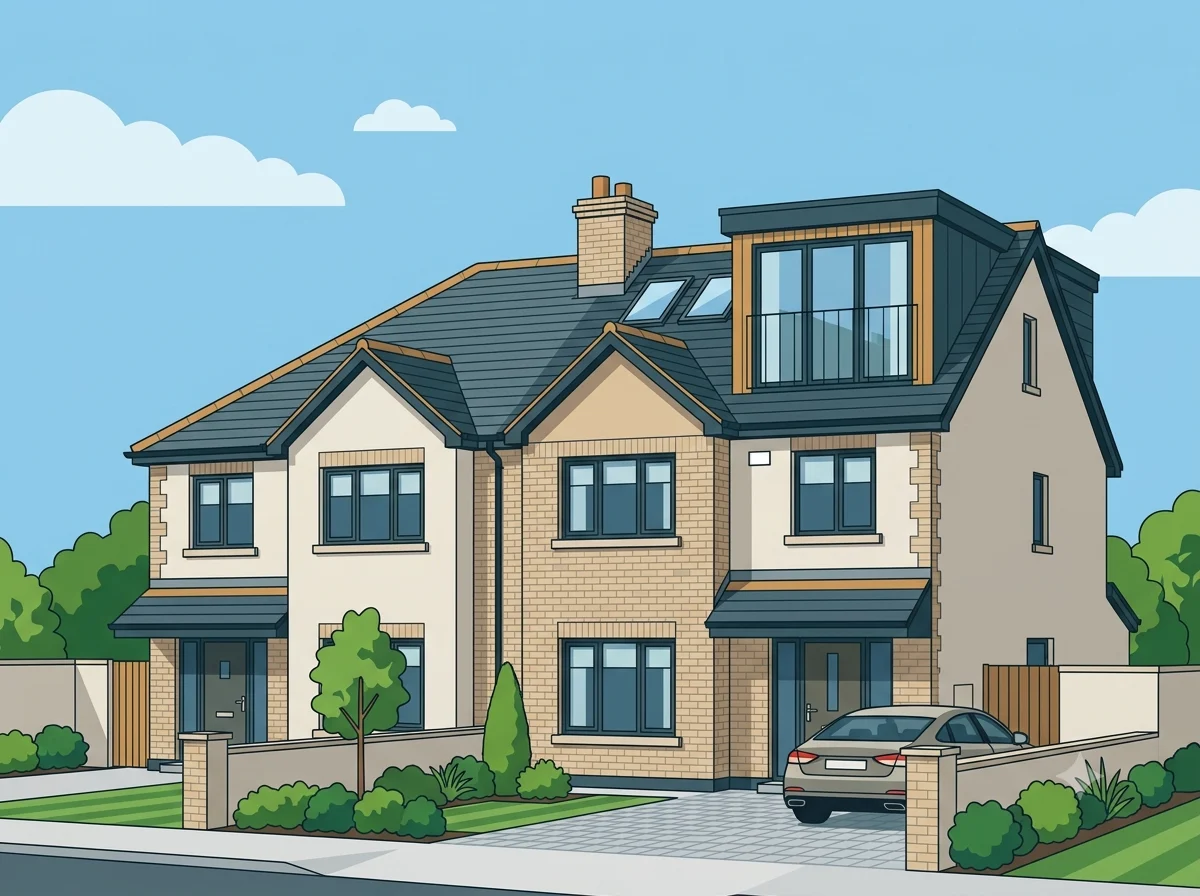
Semi Detached Loft Conversion in Acton
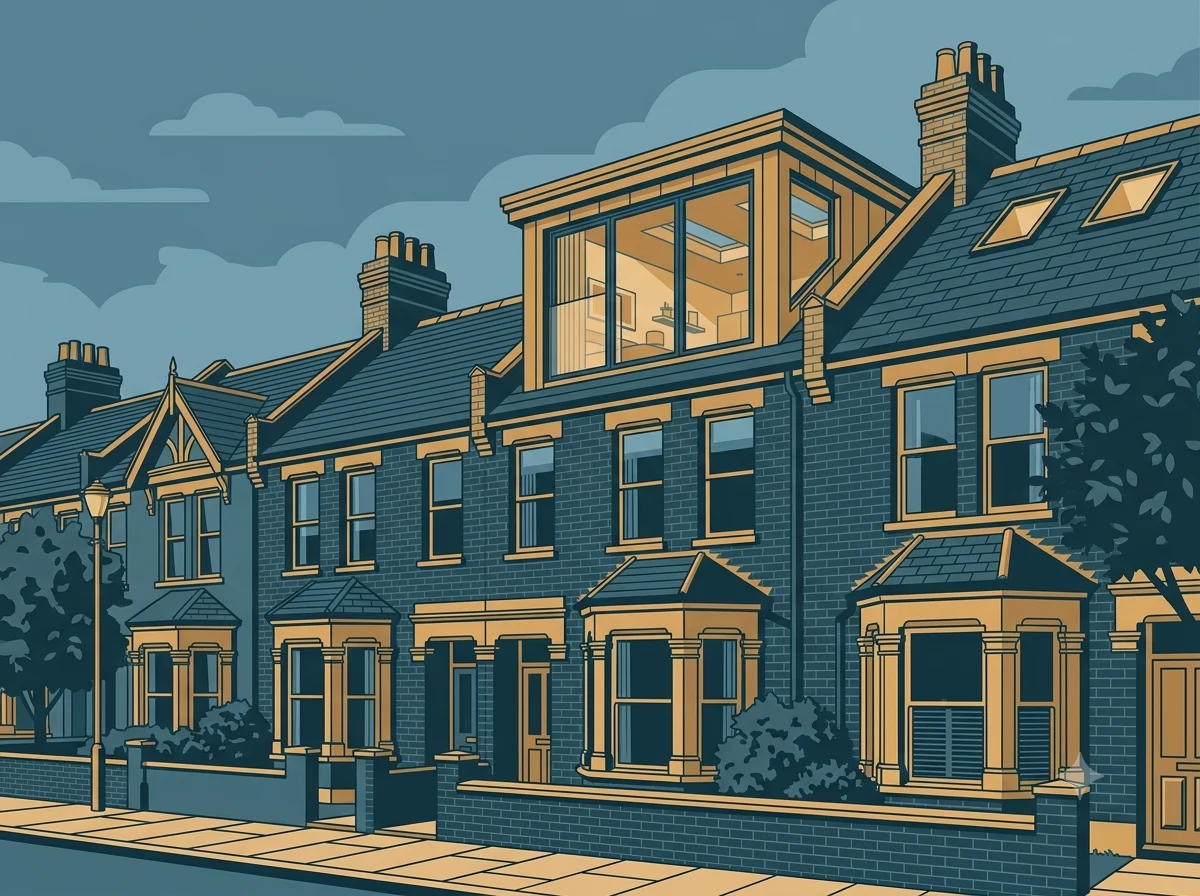
Terraced House Loft Conversion in Acton
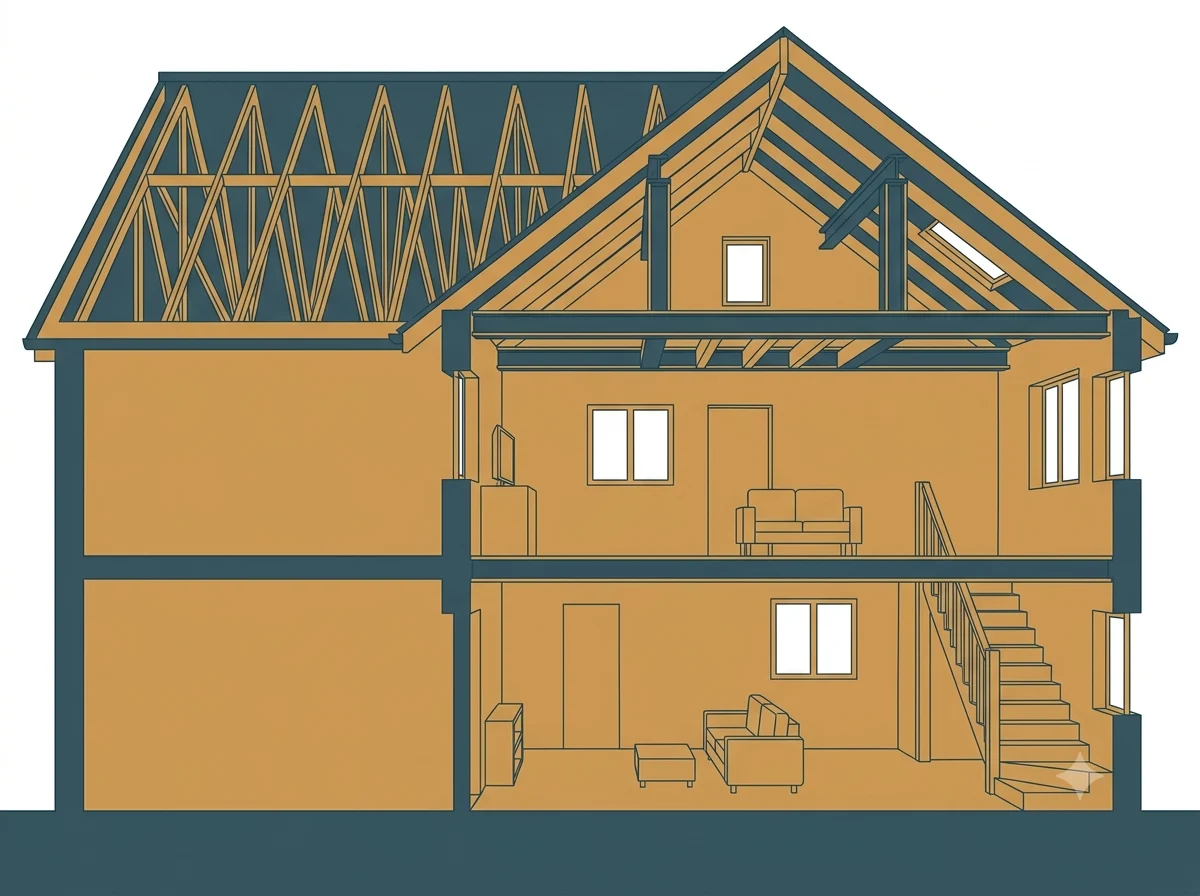
Trussed Roof Loft Conversion in Acton

Low Pitch Loft Conversion in Acton
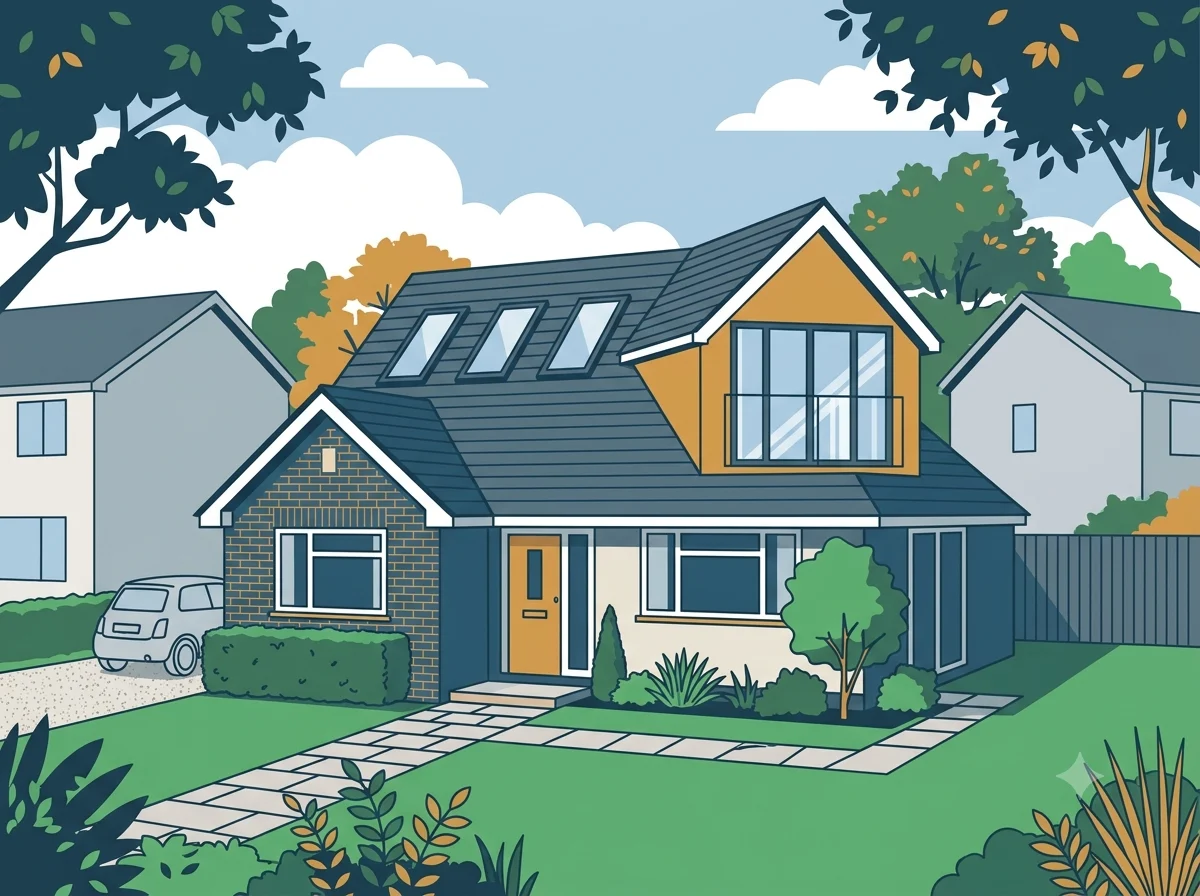
Bungalow Loft Conversion in Acton
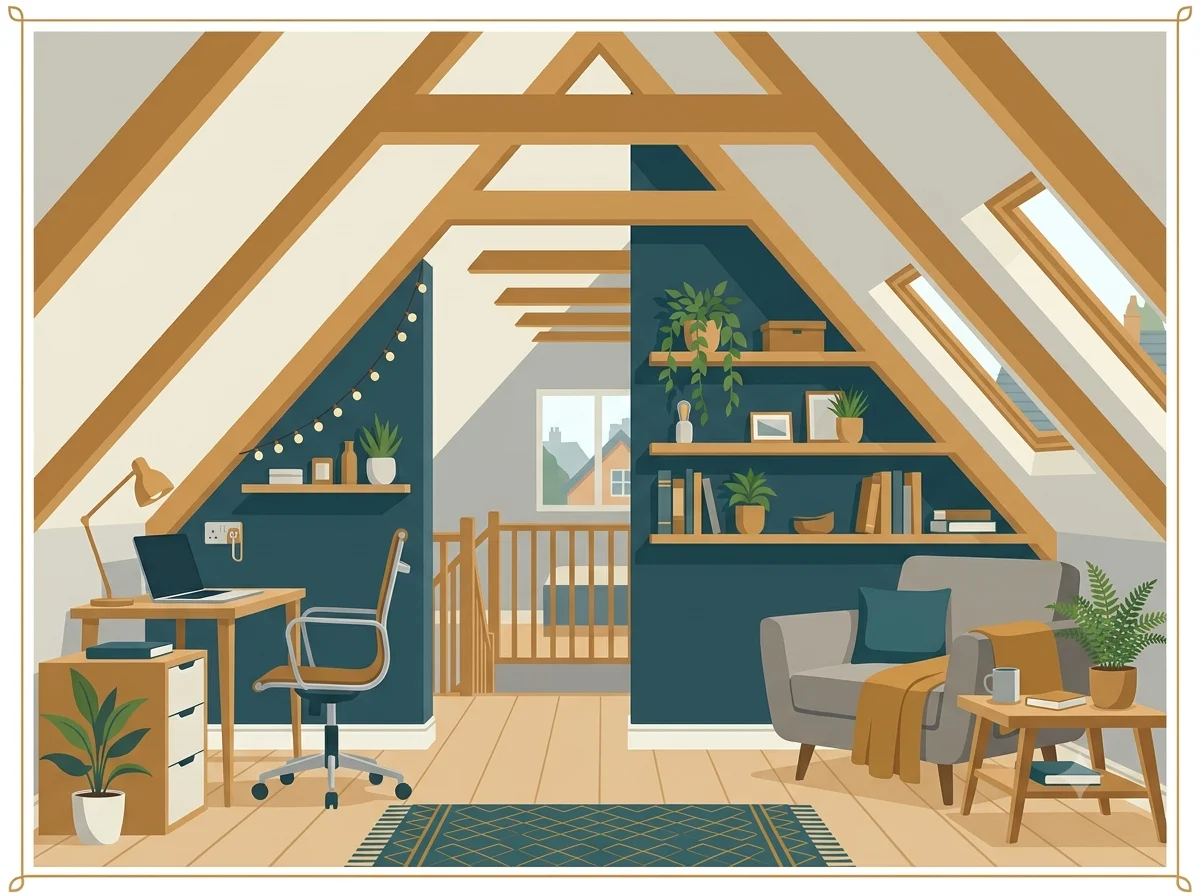
Low Ceiling Loft Conversion in Acton

L Shaped Loft Conversion in Acton
Frequently asked questions (FAQ)
Do I need planning permission for a loft conversion in Acton?
Many loft conversions in Acton fall under permitted development, so no planning application is needed, provided the extension stays within the size limits set for Ealing Council and does not face the street. Properties in Acton's conservation areas, such as Bedford Park, Acton Green or Acton Town Centre, may face tighter rules, so it is worth checking your address with Ealing Council before you start.
Is my part of Acton covered by an Article 4 Direction?
It depends on the street. Bedford Park has had an Article 4 Direction since 1970, which removes some permitted development rights for roof and window changes. Other conservation areas nearby, including Acton Green, are not covered by this extra layer of control. Ealing Council can confirm the exact position for any address.
What type of houses in Acton suit a loft conversion best?
Acton has a large number of Victorian and Edwardian terraces, along with 1930s semis in West Acton, and both types generally have enough roof height for a dormer or Velux conversion. A survey of the roof structure will confirm what is possible on your particular property.
How much does a loft conversion cost in Acton?
Costs in Acton usually range from around 20,000 pounds for a simple Velux conversion up to about 85,000 pounds for a larger dormer or mansard project. The final price depends on the size of the loft, the finish chosen, and whether the work needs a full planning application from Ealing Council.
Does Ealing Council handle planning for all of Acton?
Ealing Council is the planning authority for most of Acton, but North Acton and Park Royal are handled separately by the Old Oak and Park Royal Development Corporation. It is worth checking which authority covers your specific address before submitting any application.